Automated archive / Battlefield 6
Sector Intelligence: Battlefield 6 Season 2 Uplink Turns Delay Into a Live-Service Stress Test
Battlefield 6 Season 2 turns a one-month delay into a three-phase live-service experiment, using staggered content drops to probe retention, pacing, and meta health. For developers, it’s a rare, high-budget case study in telemetry-driven shooter design.
AI-generated summary. This archive article does not have a current recorded source check. Check linked sources before relying on details. Editorial policy
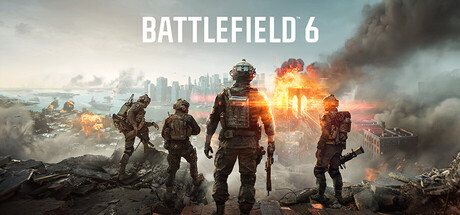
Sector Intelligence Report: Battlefield 6 – Season 2 Uplink, Redsec and the Staggered War-Theater Rollout
Battlefield 6 has finally flipped the switch on Season 2 after a one‑month delay, and the way DICE and EA are rolling this out is effectively a live A/B test for their long‑term live-service playbook. Instead of a single content dump, Season 2 is deploying across three monthly phases, with pacing, combat flow, and player retention intentionally put under the microscope.
From a #gamedev and systems-design perspective, this isn’t just a seasonal refresh—it’s a controlled experiment in how far you can stretch a content pipeline while keeping the war machine humming.
Season 2 Uplink: Three-Phase Deployment as Design Lab
The core operational detail from the last seven days: Season 2 is live, but fragmented. Content is being staged across three monthly drops, each acting like a soft reset of the battlefield meta.
Why the Staggered Rollout Matters
-
Retention Curves as a Feature, Not a Metric – By splitting Season 2 into phases, the team can read engagement spikes and drop-offs with more granularity. Each phase becomes a discrete test case for:
- how quickly players churn after a new map or mode hits,
- which progression beats re-engage lapsed squads,
- and how long high-skill players stay in the grind before plateauing.
-
Meta as a Moving Target – Instead of one balance pass that calcifies for months, the studio can:
- ship aggressive tuning in Phase 1,
- watch for overperforming weapons, gadgets, or traversal routes,
- and then pivot hard in Phase 2 and 3 with targeted nerfs/buffs.
For designers, this is effectively a season-long lab where each phase is a data-rich iteration pass.
Redsec Season 2: Controlled Chaos on Console
The Redsec-branded Season 2 push on PlayStation (and likely mirrored across platforms) frames this update as a "controlled experiment in digital warfare." That wording is telling: the studio clearly wants to justify the delay with visible systemic changes, not just content volume.
Key takeaways from the intel:
- Revamped Combat Scenarios – Expect encounter design that leans into repeatable, testable loops: chokepoints, power positions, and flank routes that can be heat-mapped and refined over the season.
- Fresh Progression Tracks – New rewards and unlock ladders give the team levers to pull mid-season if XP pacing or reward density misses the mark.
- Chaos vs. Tactics Dial – The promise to reward both "tactical brilliance and shameless chaos" suggests a conscious attempt to keep the sandbox wild while still surfacing skill expression through squad play.
For #indiegame devs studying large-scale shooters, Redsec Season 2 is a case study in how branding, cadence, and systems tuning can be tightly interwoven.
New Warzones, Operators, and the Push Toward Aggressive Map Flow
The official Season 2 gameplay trailer frames this update as a pivot toward higher-velocity engagements and more readable frontline flows.
Design Signals Embedded in the Trailer
- Close-Quarters Emphasis – Environments are clearly tuned for fast time-to-contact: shorter sightlines, multi-level interiors, and layered entry points that favor decisive pushes over passive holding.
- Armor-Shredding Tech – New equipment appears aimed at compressing the power gap between infantry and armor. The more tools you give squads to delete vehicles, the more you encourage coordinated aggression instead of passive stalemates.
- Traversal as a Tactical Language – Reworked routes and mobility options (zip lines, elevated flanks, and quick drop-in vectors) are being used as knobs to control match tempo.
For Battlefield 6, this is less about raw firepower and more about where and how fast that firepower can be applied.
Loadouts, Gadgets, and the Live-Balance Tightrope
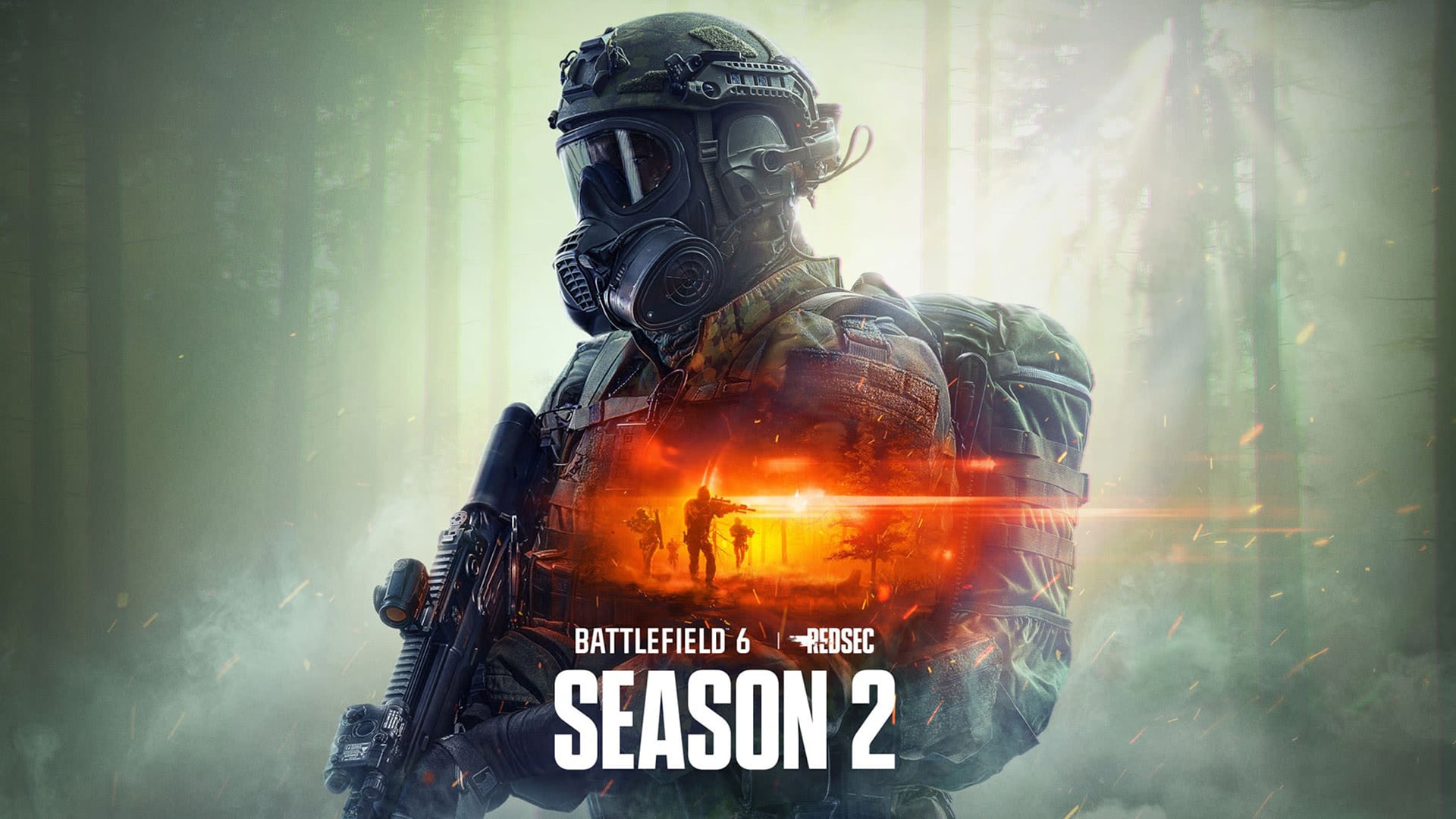
Season 2’s tuning pass on loadouts and gadgets is where the live-service philosophy is most visible.
Meta Engineering in Real Time
- Sharper Tactical Reads – By tightening gadget roles and weapon profiles, designers are trying to reduce "no-brainer" picks and force squads into deliberate comp choices.
- Role Compression vs. Expression – Too much overlap between gadgets and specialists blurs roles; too little, and the game feels rigid. Season 2’s rebalancing is a test of where Battlefield 6 wants to sit on that spectrum.
- Data-Driven Iteration – With three phases to play with, expect:
- early overcorrections to be walked back,
- underused gadgets to get visibility buffs (UI clarity, stronger feedback, or raw stat boosts),
- and outlier weapons to be normalized before they dominate an entire phase.
From a #gamedev standpoint, this is the classic tension: let the sandbox breathe, but step in before a single dominant strategy suffocates experimentation.
What the One-Month Delay Really Bought Them
The late start for Season 2 isn’t just a calendar slip—it likely bought:
- extra QA time on the new warzones and traversal systems,
- more robust telemetry hooks to track retention and meta shifts,
- and a cleaner three-phase roadmap that can be communicated clearly to players.
If Battlefield 6 can demonstrate visible, phase-to-phase improvements—faster match pacing, healthier win rates across squad compositions, and more varied gadget usage—the delay will read as an investment rather than a stumble.
Strategic Outlook: Battlefield 6 as a Live-Service Testbed
Battlefield 6 Season 2 is positioning the game as a long-term systems lab for EA’s broader shooter strategy. The questions this season will help answer:
- How thin can you slice content drops before players feel starved?
- How fast can you pivot balance without destabilizing trust?
- How much chaos can you preserve while still rewarding mastery and coordination?
For developers, especially in the #indiegame and mid-tier space, Battlefield 6’s Season 2 rollout is a high-budget reference for:
- staggered content pipelines,
- telemetry-driven design decisions,
- and transparent seasonal experimentation.
If the data backs up the design intent, expect future Battlefield 6 seasons—and potentially other EA shooters—to double down on this phased, meta-aware structure.
Sources and corrections
This archive entry does not have a verified article-source list. Images and video embeds alone are not evidence for every claim.
Found an error? Request a correction. Include the passage and a supporting source.
Your games, in one place
Keep up with Battlefield 6
Follow this game to collect its posts in your personal feed. Come back to see what you missed.