Automated archive / Battlefield 6
Battlefield 6 Season 2 ‘Redsec’ Turns a Blockbuster Launch into a Live-Service War Machine
Battlefield 6 has detonated a 38% surge in EA’s net bookings, and Redsec Season 2 is the first major test of whether that blast can be sustained. This week’s Sector Intelligence Report breaks down the cinematic rollout, live-service design, and economic signals every developer should be tracking.
AI-generated summary. This archive article does not have a current recorded source check. Check linked sources before relying on details. Editorial policy

Strategic Overview: Battlefield 6 as EA’s Revenue Shock Trooper
Electronic Arts just confirmed what the front lines have been feeling: battlefield 6 isn’t just a strong launch, it’s a macro-level economic event. Net bookings jumped 38% to over $3B, with the new Battlefield acting as the primary ordnance in EA’s digital arsenal.
From a #gamedev and live-ops perspective, this is a textbook case of how:
- A single flagship shooter can reshape quarterly financials.
- A tightly integrated live-service pipeline (seasons, cosmetics, progression) converts launch hype into sustained digital spend.
- A big-budget FPS can still punch through market saturation, provided the content cadence is aggressive and well messaged.
For #indiegame teams watching from the trenches, the lesson isn’t “spend like EA,” it’s design like a live-service operator: build for retention, plan for seasonal beats, and make sure every content drop has a clear economic and engagement purpose.
Redsec Season 2: Live-Service Cadence Locks In
Battlefield 6’s Redsec Season 2 goes live on February 17 on PlayStation, marking the first real test of post-launch endurance. The activity feed points to a classic modern-FPS seasonal package:
- New maps to reset tactical patterns and meta rotations.
- Fresh weapons and gear to deepen buildcraft and specialization.
- Revamped combat scenarios hinting at new modes or objective variants.
- Seasonal rewards and progression tracks that reward both “tactical brilliance and shameless chaos.”
The framing of Redsec as a “controlled experiment in digital warfare” signals a thematic throughline: expect a season built around cyberwarfare, intrusion ops, and asymmetric tech. For designers, that’s fertile ground for gadgets, recon tools, and denial mechanics that can meaningfully shift the sandbox.
Cinematic Intel: Storytelling as Retention Tech
The Season 2 intro cinematic is doing more than just selling explosions; it’s functioning as a meta wrapper for the upcoming systems:
- It visually telegraphs new environments, giving players a mental map before they ever load into a match.
- It showcases weapons and class silhouettes, subtly onboarding players to the evolving meta.
- It reinforces faction identity and stakes, which is crucial for long-term emotional investment in a live-service shooter.
From a development update standpoint, this is a reminder that cinematics are UX tools, not just marketing. They compress patch notes into imagery and pacing that players can instantly parse. For studios of any size, even a lower-budget animatic or motion-graphic teaser can serve the same role: prime the community, teach the update, and reduce friction on day-one adoption.
Design & Economy: What Redsec Signals for Devs
The combination of a $3B bookings spike and a tightly timed Season 2 rollout sends a clear signal to developers:
1. Launch Is a Spike, Seasons Are the Slope
Battlefield 6’s financial shockwave validates the blockbuster launch model, but Redsec Season 2 is what will determine the slope of the revenue and concurrency curve. Sustained success depends on:
- Predictable cadence: players should feel like seasons are a rhythm, not a surprise.
- Meaningful mechanical change: new content must alter play patterns, not just reskin them.
- Reward structures that respect time investment without feeling miserly or predatory.
Indie and mid-tier teams can emulate this by planning smaller but regular content beats—new modifiers, modes, or limited-time events—rather than infrequent monolithic updates.
2. Progression as a Design Pillar, Not an Afterthought
The emphasis on “fresh progression to grind” and seasonal rewards underlines how progression has become a primary design pillar in modern shooters:
- Horizontal unlocks (sidegrades, cosmetics) help preserve balance.
- Vertical unlocks (power increases, attachments) must be carefully staged to avoid pay-to-win perceptions.
- Seasonal tracks create FOMO pressure, but must be tuned so that working players don’t feel locked out.
For #gamedev teams, early economy prototyping—XP curves, reward pacing, cosmetic pipelines—should be treated with the same importance as weapon feel or netcode.
Market Impact: Battlefield 6 as a Live-Operations Case Study
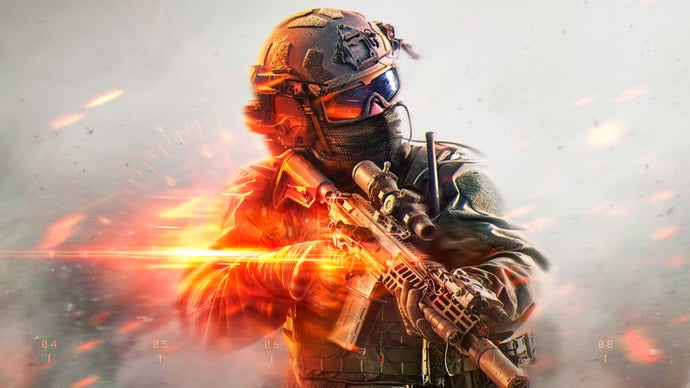
With Battlefield 6 driving a 38% net bookings surge, EA is effectively proving that:
- The AAA FPS live-service model is still commercially dominant when executed with scale and discipline.
- A strong seasonal narrative (like Redsec) can extend the tail of a premium release.
- Digital-first monetization—battle passes, cosmetics, and event-based bundles—can become the core revenue engine.
For developers and publishers tracking this sector, Battlefield 6’s Redsec Season 2 is less about whether players show up on February 17, and more about how long they stay. Concurrency graphs over the next 60–90 days will tell us whether this is a one-off financial shock or the establishment of a stable, long-term war economy.
In either case, the signal is clear: whether you’re shipping a blockbuster or an #indiegame tactical experiment, the future of competitive shooters is ongoing, seasonal, and economically orchestrated—and Battlefield 6 is currently the loudest signal on that spectrum.
Sources and corrections
This archive entry does not have a verified article-source list. Images and video embeds alone are not evidence for every claim.
Found an error? Request a correction. Include the passage and a supporting source.