Automated archive / Avowed
Avowed’s Anniversary Overhaul, PS5 Breach, and a 28-Minute Campaign Incursion
Obsidian’s Avowed just executed a multi-front push: a sweeping Anniversary Update, a full PS5 deployment, and a public autopsy of a 28-minute campaign speedrun. This week’s moves turn the Living Lands into a live lab for combat tuning, narrative reactivity, and systemic design under pressure.
AI-generated summary. This archive article does not have a current recorded source check. Check linked sources before relying on details. Editorial policy
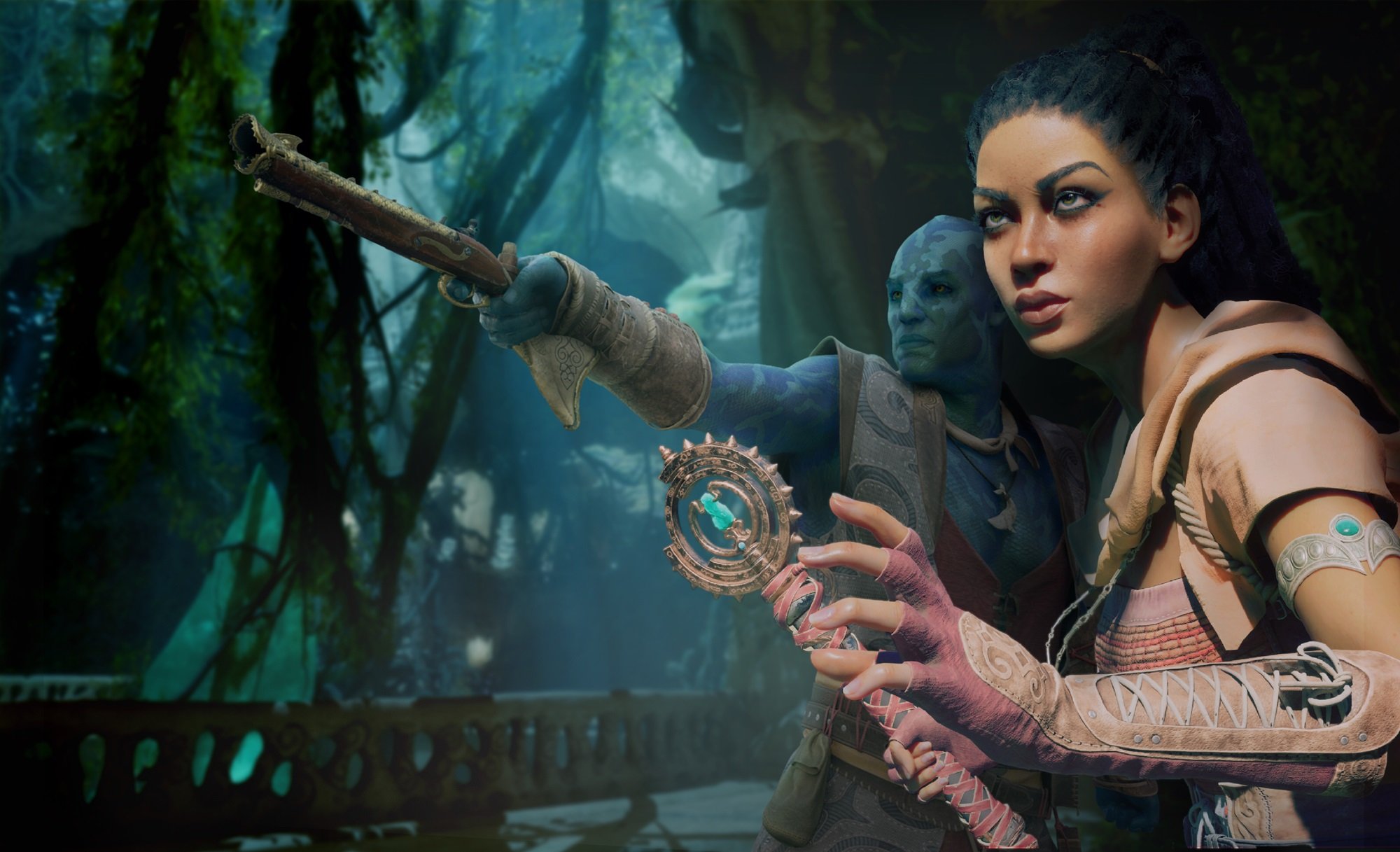
Sector Overview: Avowed’s Anniversary as a Live-Fire Pipeline Test
Obsidian’s Avowed just hit a critical inflection point: an anniversary-scale overhaul, a fresh deployment vector on PS5, and a public dissection of a 28-minute campaign speedrun that essentially turned the entire game into a systems lab. For developers tracking AAA RPG pipelines, this week’s moves read less like a marketing beat and more like a live case study in tuning combat readability, narrative reactivity, and cross-platform performance while the game is already in the wild.
The headline: Avowed’s Anniversary Update v2.0 isn’t just a content drop, it’s a holistic recalibration of the Living Lands. New Game+, new playable species, expanded systems tuning, and a deeper narrative mesh all land at once, backed by a deliberate push into the PS5 ecosystem. For #gamedev teams and #indiegame studios alike, this is a blueprint-level moment in how to evolve a first-person RPG after launch without fracturing its identity.
Anniversary Update v2.0: Systems, Steel, and Sorcery Rewritten
Combat Readability and Encounter Design
Obsidian’s latest combat pass targets the classic RPG pain point: making encounters lethal but legible. The Anniversary Update pushes sharper encounter pacing, with refined melee feedback, improved hit confirmation, and tightened animation timing. Spell VFX have been reauthored for clarity under pressure, supporting faster tactical decisions in first-person.
Enemy behaviors now appear more deliberately choreographed around player affordances. Attack telegraphs, stagger windows, and positional punishments are tuned to reward mastery rather than simple stat inflation. This is the kind of iteration that suggests extensive telemetry review: where do players whiff inputs, misread animations, or lose track of threat vectors in dense encounters?
Narrative Mesh and Companion Synchronization
On the narrative side, Avowed’s Anniversary Update deepens faction politics and expands narrative routes without re-architecting the entire quest web. Companion interactions and story beats are now better synchronized with player actions, suggesting systemic triggers and dependency graphs have been rebalanced to avoid dead air between plot spikes.
This is a subtle but important signal: Obsidian is using post-launch runway to close the gap between authored narrative pacing and emergent player behavior. For teams building narrative-heavy RPGs, Avowed’s approach shows how to retrofit more reactive storytelling without tearing out core quest logic.
Visual Passes and Performance Profiling
Obsidian confirms ongoing visual passes and performance optimization in parallel with content changes. The important detail for developers: console and PC targets are being aligned as part of the same profiling effort, not treated as separate forks.
That implies shared tooling and unified performance budgets, which can dramatically reduce long-term technical debt. For #gamedev teams eyeing multi-platform launches, Avowed’s anniversary brief is effectively a soft confirmation that early investment in cross-platform profiling pays off when you’re shipping big systemic updates a year later.
PS5 Systems Breached: Cross-Platform Strategy in Motion
Watch: Transmitting Gameplay footage from the field: Avowed Anniversary Update trailer
Avowed’s arrival on PS5 alongside the Anniversary Update is not just a platform expansion; it’s a carefully timed second launch. By pairing the PS5 release with New Game+, new playable species, and quality-of-life overhauls, Obsidian is effectively resetting the onboarding funnel for both new and returning players.
From a production and business standpoint, this is smart sequencing:
- Replay Value as Acquisition Tool – New Game+ and added species options give returning players real reasons to re-roll, generating fresh social content, builds, and meta discussion just as a new platform audience comes online.
- Unified Feature Baseline – Launching PS5 with v2.0 ensures the new audience’s first touch is the tuned, post-feedback version of Avowed, not the 1.0 artifact. That mitigates platform-specific reputation drag and keeps reviews aligned across ecosystems.
- Live Ops Without a Seasonal Skin – This is live-ops thinking applied to a narrative RPG: instead of battle passes, the hook is systemic refinement and expanded role-play vectors.
For #indiegame studios watching from the sidelines, the lesson is scale-agnostic: if you’re planning a late-port to another platform, pair it with a meaningful systemic update so you can market it as a fresh deployment rather than a delayed echo.
28-Minute Critical Path Breach: When Speedrunners Become Design Consultants
Watch: Transmitting Gameplay footage from the field: Avowed developers react to 28-minute speedrun
The most revealing intel this week isn’t just the content drop—it’s Obsidian’s public debrief of a 28-minute Avowed campaign speedrun. The dev team sits down and effectively runs a live postmortem on how a speedrunner weaponizes level design, scripting, and physics to shred intended pacing.
From a development perspective, this is gold:
- Route Optimization as Systems Audit – Every skip and sequence break is a spotlight on how collision volumes, trigger zones, and quest state checks can be bent, not just broken. This kind of run surfaces where your systemic rules are too permissive—or where they’re delightfully flexible.
- Physics and Movement as Emergent Toolkit – If a 28-minute run is possible, your movement stack (sprint, jumps, dashes, buffs, environmental traversal) is more expressive than your critical path assumes. That’s a design opportunity, not just a bug list.
- Intended vs. Emergent Pacing – Watching your campaign compress into half an hour is a brutal but honest look at what content is structurally mandatory versus what’s just narratively desirable. It can inform future quest gating, soft locks, and how you signpost optional content.
The bigger meta-signal: Obsidian is comfortable treating speedrunning as part of Avowed’s design conversation, not an adversarial edge case. For other RPG teams, this is a strong precedent—bring your most extreme players into the feedback loop, on-camera if you can, and use their runs as stress tests for your systemic design.
Sector Takeaways for Developers
Avowed’s current phase is a compact field manual for RPG teams:
- Use anniversary beats to push holistic updates—combat, narrative, visuals, and performance—rather than narrow feature drops.
- Time cross-platform launches with major systemic updates to avoid fractured player experiences.
- Treat speedrunners as high-signal QA, especially for level design, scripting, and physics edge cases.
- Invest early in cross-platform profiling so your late-stage updates don’t splinter across SKUs.
As Avowed marches deeper into its live lifecycle, its Anniversary Update and PS5 deployment show how a modern first-person RPG can evolve post-launch without losing coherence—turning what could have been a routine patch cycle into a strategic realignment of the entire Living Lands.
Sources and corrections
This archive entry does not have a verified article-source list. Images and video embeds alone are not evidence for every claim.
Found an error? Request a correction. Include the passage and a supporting source.
Your games, in one place
Keep up with Avowed
Follow this game to collect its posts in your personal feed. Come back to see what you missed.