Automated archive / Assassin's Creed IV: Black Flag
How Black Flag’s Pirate Engine Is Being Resynced for a New Generation
Ubisoft’s Resynced push for Assassin’s Creed IV: Black Flag is more than a visual tune-up—it’s a live case study in how to modernize a systemic pirate sandbox without breaking its core engine. This week’s intel unpacks the pirate engine’s origins, the Jackdaw’s role as a mobile hub, and how Edward Kenway’s...
AI-generated summary. This archive article does not have a current recorded source check. Check linked sources before relying on details. Editorial policy
Weekly Sector Intelligence: Assassin's Creed IV – Black Flag Resynced
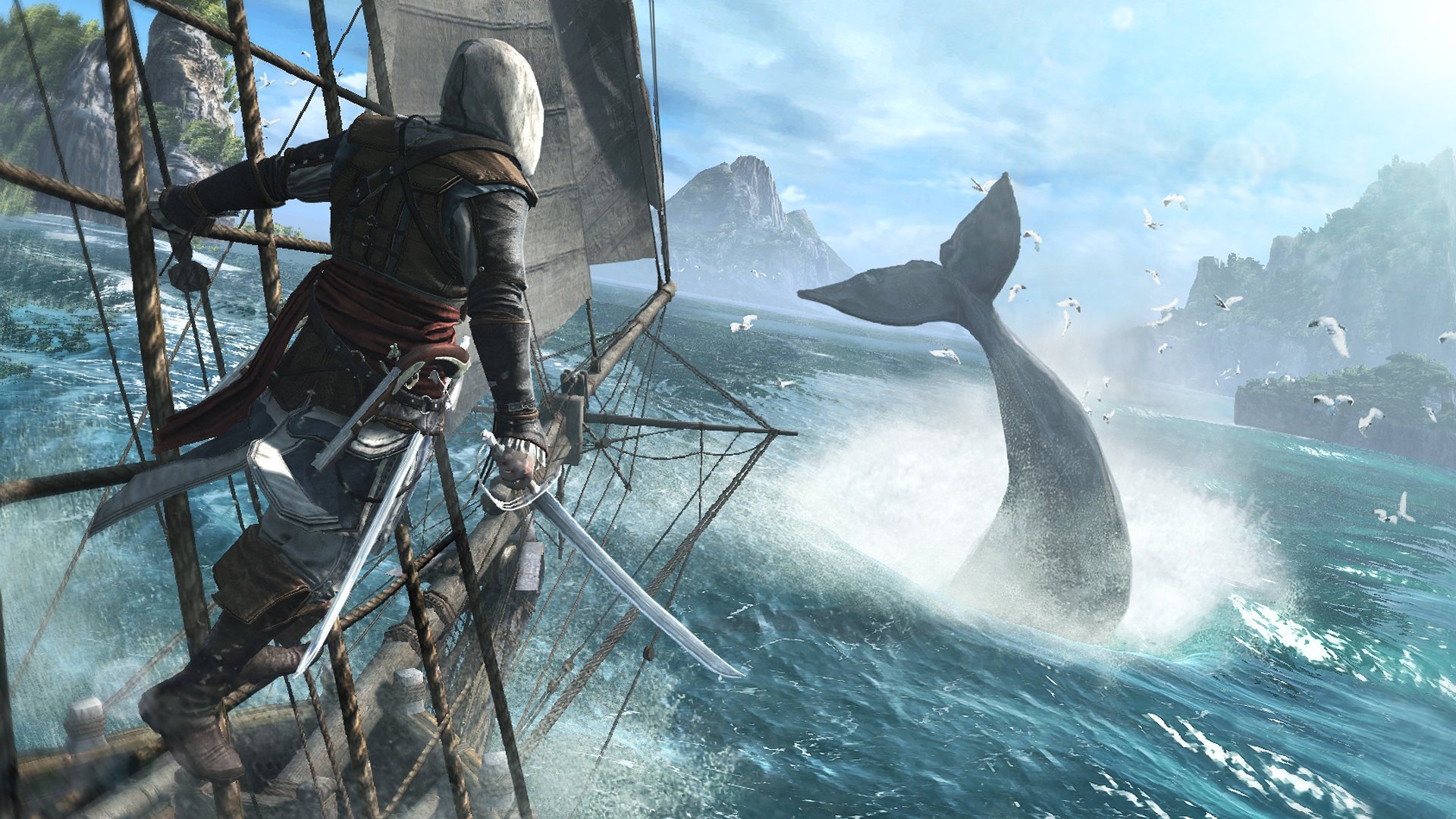
Assassin's Creed IV: Black Flag is back in the spotlight, and the signal is clear: Ubisoft is preparing a full Resynced deployment of its most influential open-world experiment. This week’s telemetry points to three converging fronts—engine archaeology, character fidelity, and systemic ship design—all feeding into a modernized build that could quietly become one of the most important case studies in AAA #gamedev this generation.
Resync Protocol: Reverse-Engineering the Pirate Engine
The latest field log drills into the “Origins of Assassin’s Creed IV’s Pirate Engine”, framing Black Flag as a turning point where traversal, combat, and mission design were re-wired around naval systems. Before Black Flag, Assassin’s Creed sandboxes were largely landlocked and mission-driven; the pirate engine inverted that hierarchy.
Key design pivots highlighted in the archival dive:
1. Naval Combat as Core Loop, Not Side Activity
The report underlines how naval combat moved from experimental feature to structural pillar. Cannon broadsides, boarding flows, and weather-driven visibility weren’t just combat flavor—they dictated pacing, mission routing, and even how players mentally mapped the Caribbean. This is crucial context for the Resynced edition: modern hardware opens room for denser ship AI, more reactive seas, and improved damage feedback without sacrificing framerate.
2. Freeform Exploration Over Linear Mission Chains
The pirate engine’s real innovation was freeform exploration as default state. Islands, forts, shipwrecks, and underwater dives were designed as systemic nodes rather than bespoke setpieces. The new Resynced intel hints at system optimizations and quality-of-life upgrades, which likely means:
- Faster traversal between these nodes (reduced loading, smarter streaming)
- Cleaner UI surfacing of side content density
- Potentially refined pathfinding for both sea and land AI
For #gamedev teams, Black Flag remains a blueprint for turning a highly authored IP into a systemic Caribbean sandbox without losing narrative coherence.
Watch: Transmitting Gameplay footage from the field: Official Resynced intel broadcast
Operational Debrief: What “Resynced” Likely Means in 2026
The Resynced branding is more than a remaster tagline; it reads like a pipeline refresh. The activity feed specifically calls out enhanced visuals, system optimizations, and QoL protocols, suggesting a multi-layered modernization rather than a light texture pass.
Visual and Technical Expectations
Based on current-gen standards and Ubisoft’s historical remaster cadence, expect:
- Higher-resolution textures and improved materials on ships, ocean surfaces, and foliage-heavy islands
- Stabilized performance targets (likely 60 FPS on console, higher ceilings on PC) to keep naval battles readable and responsive
- Potential lighting and atmospheric tweaks to better sell Caribbean time-of-day shifts and tropical storms
UX and Quality-of-Life
The feed’s “updated quality-of-life protocols” callout is where the most meaningful change for returning players may land:
- Streamlined fast travel and ship management to reduce friction between story beats and open-world wandering
- Cleaner progression surfacing for upgrades to the Jackdaw and Edward’s gear
- Possible modern accessibility options that simply didn’t exist when assassin's creed iv: black flag first shipped
For #indiegame developers studying large-scale re-releases, Resynced is a live case study in how to repackage a legacy systemic world for a new audience without overhauling its core identity.
The Jackdaw: Mobile Hub, Design Keystone
A separate field log zeroes in on The Jackdaw as a dynamic player hub—Edward’s second home and the structural heart of Black Flag’s design. Instead of a static HQ, the Jackdaw is a mobile base that travels with the player, collapsing the distance between preparation and action.
1. Hub Design at Sea
Crew chatter, upgrade stations, and tactical planning all live on deck. This has several design implications:
- Diegetic menus: Upgrades and loadouts are contextualized through the ship rather than abstract UI screens.
- Persistent identity: Visual upgrades to the Jackdaw reinforce long-term progression; you don’t just level up, you sail differently.
- Low-friction loop: Players can pivot from planning to boarding to looting within a single, continuous space.
2. Procedural Skies, Emotional Rhythm
The log’s mention of “procedural skies and naval havens” highlights how environment tech underpins pacing. Dynamic weather and sky states aren’t just backdrop—they:
- Shape visibility in naval encounters
- Affect mood and narrative subtext between missions
- Provide visual variety across long-distance traversal
In a Resynced context, improved cloud rendering, HDR tuning, and weather transitions could significantly modernize the feel of long sailing segments without altering their core design.
Watch: Transmitting Gameplay footage from the field: Jackdaw-focused short dispatch
Historical DNA Scan: The Real Edward Kenway
Another standout data point from this week is the “Historical DNA Scan” comparing Edward Kenway’s in-game model to real-world archival portraits. Ubisoft’s character pipeline is framed almost like forensic reconstruction: facial structure, period-accurate grooming, and attire are cross-referenced against historical records.
This matters on two fronts:
- Immersion and credibility – Black Flag’s fantasy of pirate freedom is grounded by a protagonist who visually fits his era, making the Caribbean theatre feel less like theme-park cosplay and more like a plausible alternate history.
- Pipeline continuity for Resynced – If Ubisoft revisits materials, shaders, and facial animation for Edward, expect subtle but meaningful gains in expressiveness and readability in cutscenes, especially when viewed on 4K HDR displays.
From a #gamedev perspective, Edward Kenway remains a strong example of how historical research can coexist with stylized hero design, something both AAA and #indiegame teams can learn from when building characters that must carry an entire systemic world.
Strategic Outlook: Why Black Flag’s Resync Matters Now
With Assassin’s Creed pivoting into broader RPG territory in recent years, revisiting assassin's creed iv: black flag via a Resynced edition is more than nostalgia. It’s an opportunity to:
- Re-expose players to one of Ubisoft’s most system-driven open worlds
- Showcase how much technical headroom modern platforms can give to a decade-old design
- Provide a reference point for future experiments in naval, hub-based, and traversal-first sandbox design
As Abstergo “scrubs the archive” and Ubisoft finalizes platforms, performance targets, and release windows, Black Flag’s pirate engine is poised to become an active teaching tool again—for players, for designers, and for anyone studying how to keep a legacy world alive through smart, surgical modernization.
Sources and corrections
This archive entry does not have a verified article-source list. Images and video embeds alone are not evidence for every claim.
Found an error? Request a correction. Include the passage and a supporting source.