Automated archive / Assassin's Creed IV: Black Flag
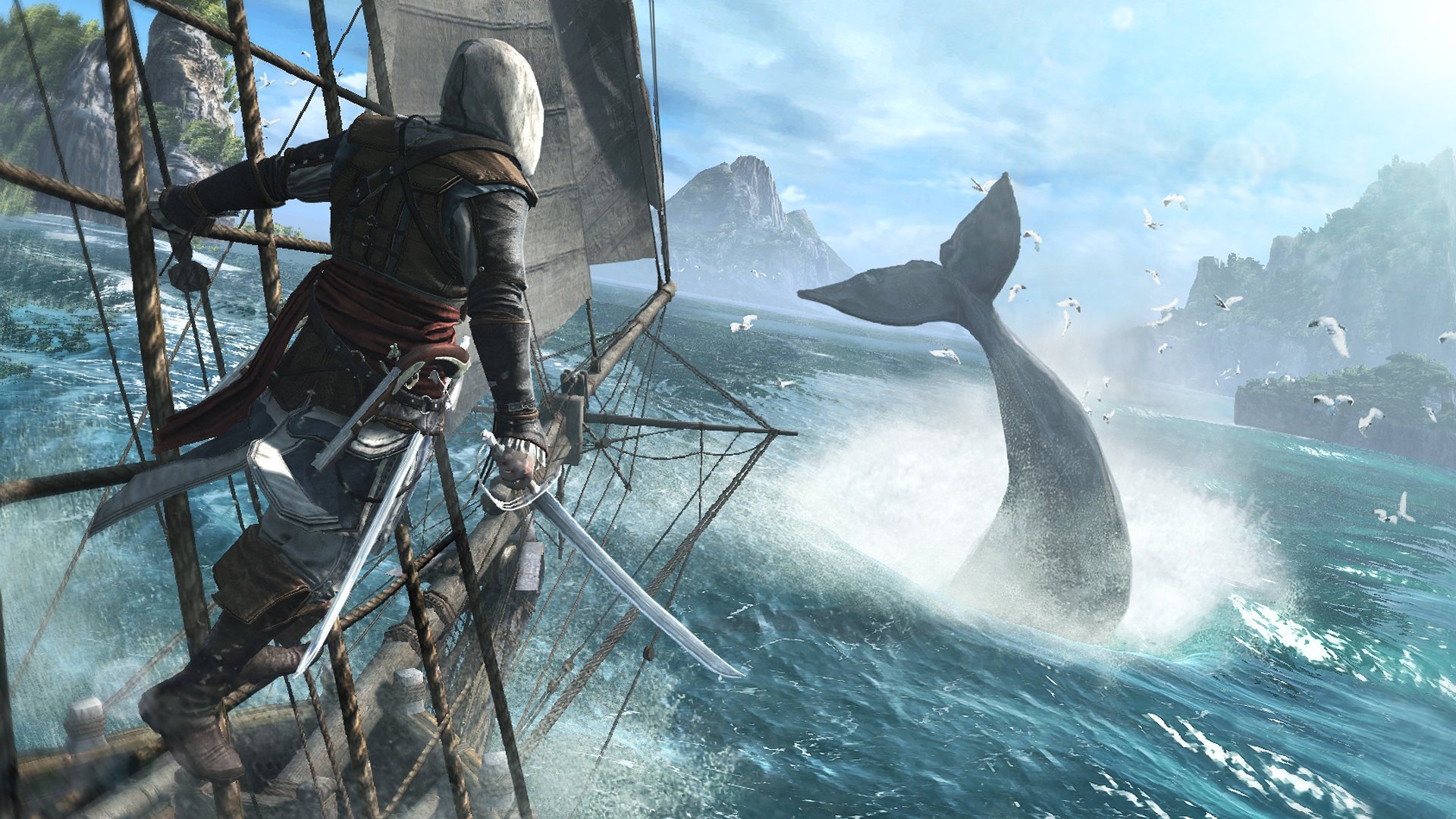
Black Flag Resynced – Visual Uplift, Naval Optics, and Adewale’s Tactical Return
Ubisoft has quietly resynced Assassin’s Creed IV: Black Flag with sharper visuals, a new naval cinematic, and a renewed focus on Adewale’s tactical role—without touching the underlying systems. This week’s sector report breaks down how that strategy extends a legacy title’s lifespan while keeping the Animus archive...
AI-generated summary. This archive article does not have a current recorded source check. Check linked sources before relying on details. Editorial policy
Sector Overview: Black Flag’s Animus Feed Gets a 2026 Recalibration
Ubisoft has quietly re‑opened the time‑dilated archive on assassin's creed iv: black flag, pushing a fresh layer of visual and cinematic polish without disturbing the underlying simulation rules. Over the last seven days, three key signals have pulsed through the grid: a rendering resync field analysis, a new “Health to the Company” cinematic relay, and the reactivation of quartermaster Adewale aboard the Jackdaw.
For developers and technical artists tracking legacy title support, this is a textbook case of how to extend a mature AAA product’s lifespan through carefully scoped visual fidelity uplifts and brand‑aligned storytelling beats, all without risking core gameplay regressions.
Visual Fidelity Uplink: Original vs. Resynced Rendering Pipeline
The first intel drop centers on a frame‑by‑frame graphics comparison between the original build and a resynced visual pass. The analysis calls out four main vectors:
1. Lighting and Color Grading
The resynced pass leans into higher contrast lighting and more deliberate color grading, sharpening the distinction between sea, sky, and ship silhouettes. For players, that means better readability of targets and traversal points in chaotic naval engagements. For #gamedev teams, it’s a reminder that you can materially increase gameplay clarity with post‑processing and grading tweaks alone—no asset reauthoring required.
Technically, this looks like a recalibrated tone‑mapping curve and more assertive ambient occlusion in dense geometry (rigging, deck clutter, fort interiors). The result is a more cinematic frame that still respects the original art direction.
2. Texture Clarity and Post‑Processing
The report flags texture clarity improvements, particularly in cloth, wood grain, and hull materials. This suggests either:
- Higher‑resolution texture streaming on modern hardware, or
- Refined sharpening and temporal anti‑aliasing parameters to reduce blur and shimmer.
Post‑processing appears cleaner: chromatic aberration and film grain are dialed back or better tuned, which modern players often interpret as a net upgrade in visual comfort. For teams maintaining long‑tail titles, this is a strong case study in retrofit polish—touching the presentation layer while leaving collision, animation, and AI untouched.
Watch: Transmitting Gameplay footage from the field: Resynced Visual Comparison – Caribbean Theatre
From a production standpoint, this kind of rendering resync is a relatively low‑risk, high‑ROI move: minimal design overhead, but renewed discoverability, social media shareability, and improved first impressions for late adopters.
Naval Stealth Systems Reboot: “Health to the Company” Cinematic
The second major ping is a new cinematic relay, “Health to the Company,” explicitly framed as a tactical optics enhancement rather than a gameplay patch. This is Ubisoft doubling down on naval identity and crew culture—two pillars that made assassin's creed iv: black flag a standout in the series.
Why This Matters for Developers
-
Brand Continuity via Cinematics
Instead of retrofitting new mechanics, Ubisoft invests in a cinematic that recontextualizes existing systems: naval warfare, crew morale, and pirate‑era atmosphere. For studios—AAA and #indiegame alike—this is a smart template: use high‑impact narrative content to re‑surface a legacy title in the algorithmic feeds without fragmenting the player base with balance overhauls. -
No Gameplay Parameter Drift
The intel is explicit: no gameplay parameters altered. That’s crucial. It avoids:- Re‑QAing complex systemic interactions (boarding, wanted levels, AI pathing).
- Alienating returning players who rely on long‑internalized muscle memory.
You get fresh marketing assets and renewed community chatter, while the codebase remains stable—a best‑case scenario for long‑term support.
-
Cinematic as Player On‑Ramp
A polished cinematic like this functions as an on‑ramp for new players: it communicates fantasy, tone, and stakes in under two minutes. For devs, think of it as compression for your game’s core pitch—a format that’s particularly potent on short‑form and recommendation‑driven platforms.
Operational Asset Reactivation: Adewale Back on Deck
The third signal is more character‑driven but no less strategic: Adewale, the Jackdaw’s quartermaster, is back on deck in the current promotional cycle. The activity feed frames his return in operational terms—boarding efficiency, resource routing, and combat coordination—all core verbs in Black Flag’s design.
Systemic Storytelling Through Crew Roles
Adewale has always been more than a narrative companion; he’s a diegetic anchor for the game’s logistics and combat loop. Re‑centering him in marketing beats accomplishes several things:
- Re‑highlights the crew management fantasy at the heart of assassin's creed iv: black flag.
- Signals to lapsed players that the focus is still on ship‑driven systems, not just rooftop parkour.
- Reminds newer audiences that this world has political and personal stakes, not just pirate spectacle.
For #gamedev teams, this is a subtle lesson in system‑aligned character promotion: when you bring a character back into the spotlight, tie them directly to the mechanics they personify.

Strategic Takeaways for Developers
1. Legacy Title, Modern Expectations
Black Flag’s resynced visuals and new cinematic show how a studio can keep a classic alive:
- Target the renderer and cinematics, not the mechanics, to avoid destabilizing a mature sandbox.
- Use comparative content (OG vs. resynced) to spark discourse and re‑engagement.
- Maintain platform‑agnostic improvements (grading, clarity, presentation) that benefit every player.
2. Content as a Service, Without Live‑Ops Bloat
Ubisoft’s moves here resemble a lightweight live‑ops cycle for a non‑live game:
- Visual uplifts act as evergreen quality improvements.
- Cinematic drops and character‑focused messaging serve as seasonal attention spikes.
For both big studios and #indiegame teams, the pattern is clear: you don’t need a battle pass to run ongoing content strategy. A well‑timed cinematic and a focused visual pass can meaningfully extend your game’s relevance.
3. The Animus Archive Is Still Open
The underlying message of the week’s intel: assassin's creed iv: black flag remains an active node in Ubisoft’s long‑term franchise network. By investing in optics rather than overhauls, the studio preserves what worked in 2013 while aligning presentation with 2026 expectations.
For developers studying the long tail of AAA releases, Black Flag’s current resync cycle is a live case study in sustainable legacy support, visual modernization, and systems‑aware storytelling—all without rewriting the code that made the Jackdaw sail right in the first place.
Sources and corrections
This archive entry does not have a verified article-source list. Images and video embeds alone are not evidence for every claim.
Found an error? Request a correction. Include the passage and a supporting source.
Your games, in one place
Keep up with Assassin's Creed IV: Black Flag
Follow this game to collect its posts in your personal feed. Come back to see what you missed.