Automated archive / Assassin's Creed Black Flag Resynced
Assassin’s Creed: Black Flag Resynced Rewrites the Pirate Code for Next‑Gen
Assassin’s Creed: Black Flag Resynced is surfacing as a full systems overhaul, not a museum-grade remaster. Naval combat, stealth, visuals, and progression are being recalibrated to bring Edward Kenway’s pirate sandbox in line with modern hardware and design standards.
AI-generated summary. This archive article does not have a current recorded source check. Check linked sources before relying on details. Editorial policy
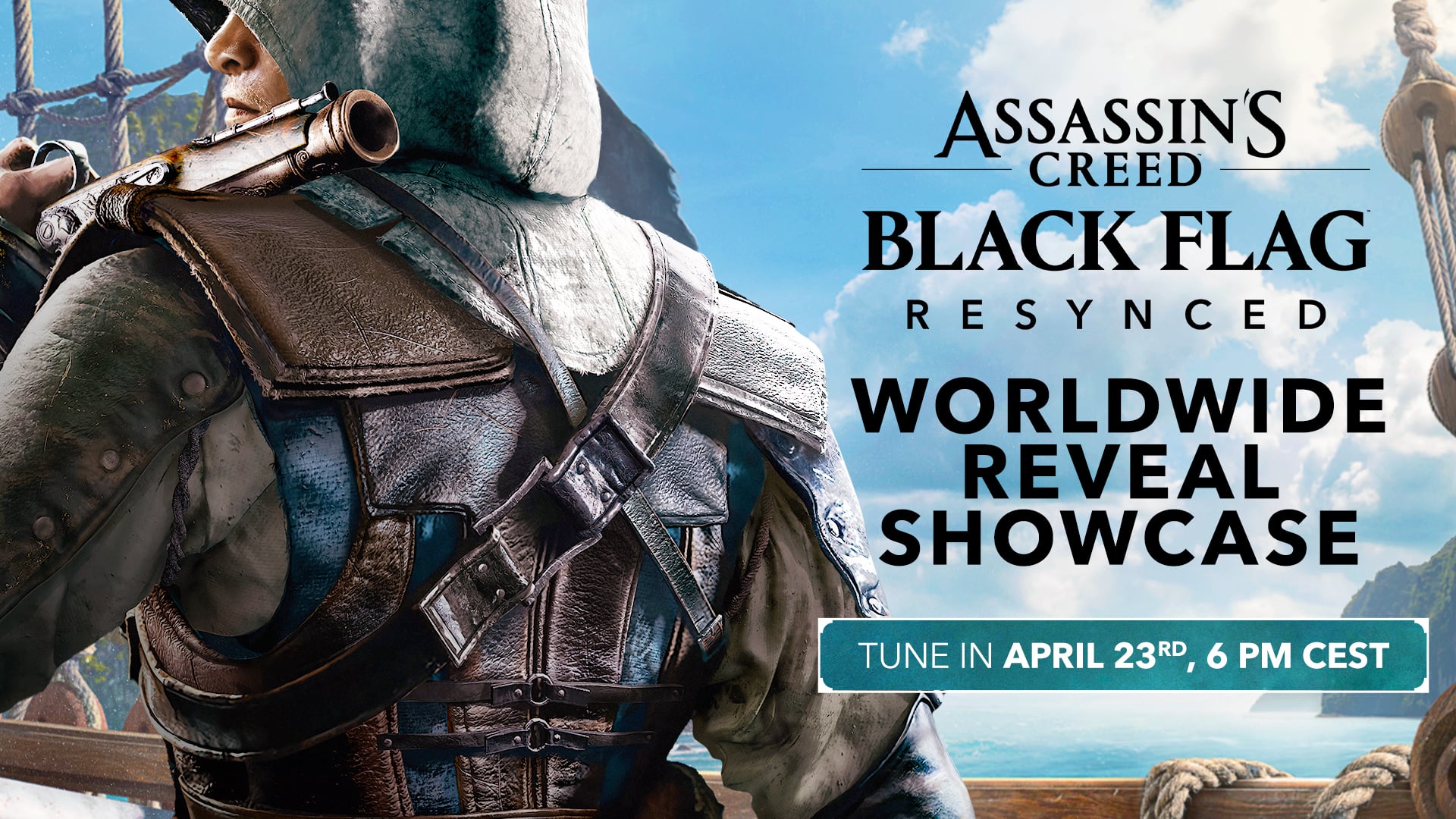
Sector Briefing: Black Flag Reboots Its Golden Age of Piracy
Assassin’s Creed: Black Flag Resynced is not arriving as a museum piece—it’s coming in as a systemic reboot of one of Ubisoft’s most important sandboxes. Across the latest transmissions, the publisher is framing this as a full resync of the Animus feed, combining a modern visual pipeline with recalibrated naval combat, refined stealth, and streamlined progression. This weekly Sector Intelligence Report breaks down what’s actually changing, why it matters for #gamedev watchers, and how this remaster-plus-remix positions itself in a crowded 2026 release grid.
Visual Pipeline: From Archive Build to Next‑Gen Feed
Overhauled Assets and Atmospherics
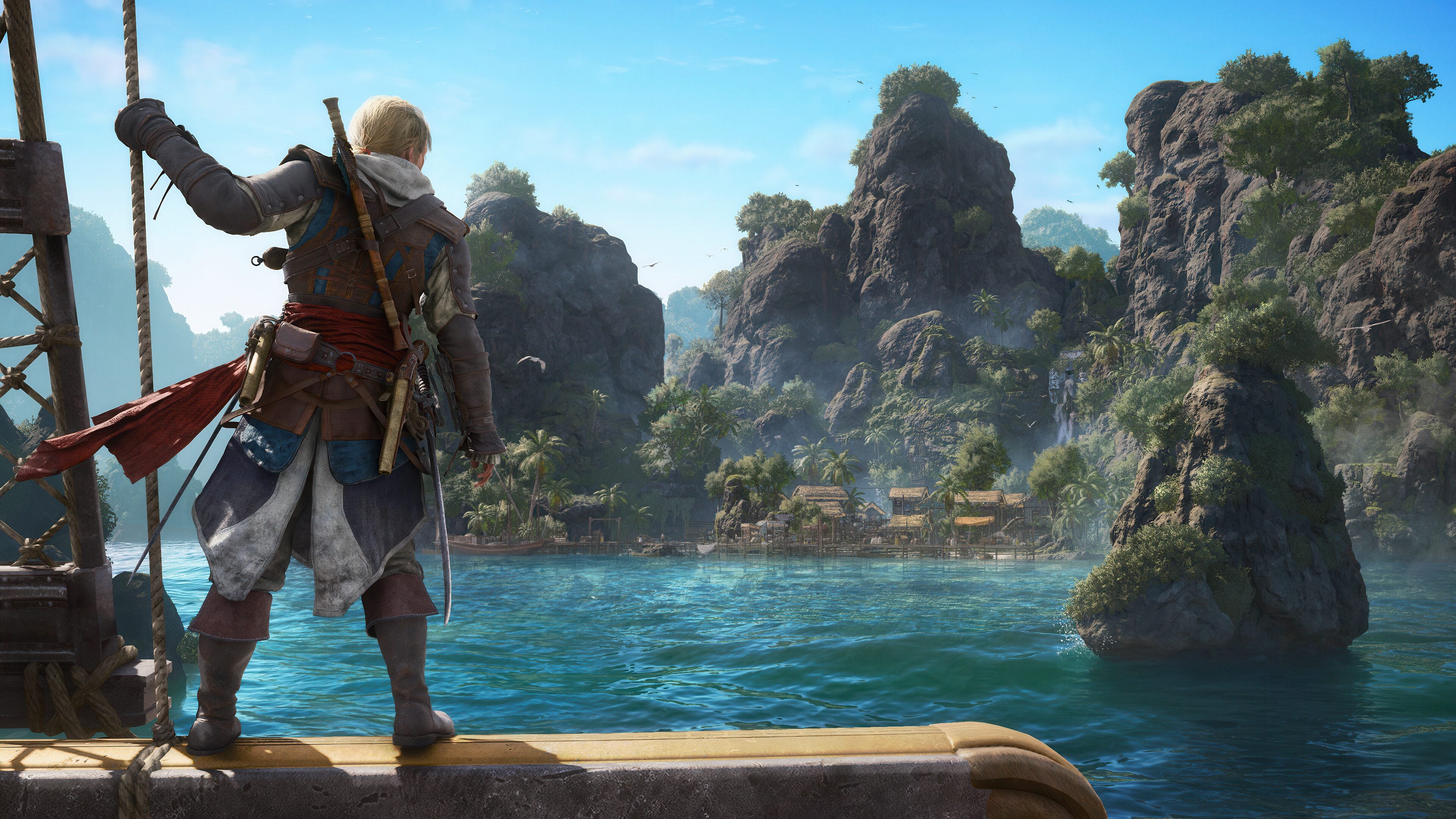
The activity feed confirms that Assassin’s Creed: Black Flag Resynced is rebuilding its Caribbean theater with a “fully overhauled visual pipeline and cinematic fidelity tuned for next‑gen rigs.” That implies more than a texture upscale:
- Sharper ocean simulation and ship detail to better sell long‑range engagements and close‑quarters boarding.
- Denser atmospherics across ports and jungles—think volumetric fog on dawn raids and richer city crowd density in Havana and Nassau.
- Cinematic framing and lighting that align with current Ubisoft standards, likely borrowing tech from the recent RPG‑era Assassin’s Creed entries.
For players, this means Black Flag is being repositioned not as a nostalgic throwback, but as a visual peer to current‑gen releases—critical if Ubisoft wants fresh recruits who never touched the 2013 original.
PS5 Deployment and Load Optimization
One activity ping explicitly calls out a PS5 build deploying July 9, with "optimized load pipelines for rapid deployment across the Caribbean theater." Translation: the SSD era finally lets Black Flag shed its original loading bottlenecks. Expect:
- Faster fast‑travel and ship‑to‑city transitions.
- More seamless entry into story missions and naval skirmishes.
- Reduced friction when bouncing between open‑world piracy and linear assassination beats.
For #gamedev observers, this is a case study in retrofit optimization—modern streaming and asset management layered onto legacy world design.
Systems Reinitialized: Combat, Stealth, and Progression
Naval Combat Refactor
Multiple intel packets flag a "revised naval combat" and "tightened sea combat loops". The original Black Flag was beloved, but also exploitable—chain shots, mortar spam, and predictable enemy patterns let veterans trivialize late‑game encounters.
Resynced appears to be addressing that by:
- Rebalancing ship weaponry and damage curves.
- Smoothing targeting and aim assist for controllers on next‑gen hardware.
- Potentially adjusting encounter composition so battles scale more intelligently with player power.
This is less about rewriting the fantasy and more about modernizing the feel—shorter downtime between shots, clearer feedback, and more readable threats.
Stealth and On‑Foot Engagements
The feed references "stealth ops re‑balanced for smoother engagements" and "smoother parkour routes." That suggests:
- Cleaned‑up traversal meshes to reduce animation hitches and unintended grabs.
- Improved enemy awareness tuning, so stealth failures feel less arbitrary and more player‑driven.
- Possibly updated UI feedback (cone indicators, detection states) in line with newer Assassin’s Creed entries.
The goal is clear: keep the pirate‑assassin fantasy intact, but present it with the responsiveness and clarity modern players expect.
Streamlined Progression and QoL
One of the more important lines in the activity feed: "streamlined progression that keeps you in the fight instead of the menus." Expect a modern UX pass:
- Condensed or reorganized upgrade trees for Edward, the Jackdaw, and gear.
- Cleaner inventory and crafting flows, reducing menu nesting.
- Improved tracking of side content and collectibles across the Caribbean map.
For Ubisoft, this is an opportunity to retrofit 2013 design with 2026 onboarding standards, lowering friction for new players while keeping the sandbox breadth that veterans remember.
Narrative and Content: Not Just a Texture Pass
One of the most telling phrases in the intel: "isn’t a simple texture pass—it’s a full systems overhaul" with "new narrative content" wired into the experience. That raises key questions for returning captains:
- Are we looking at additional side arcs that deepen Edward Kenway’s relationships with the Assassins, Templars, or his crew?
- Will there be Animus‑layer commentary that acknowledges the remaster itself, leaning into the meta‑fiction of a "Resynced" simulation?
- Could Ubisoft be using this as a bridge narrative toward future Assassin’s Creed projects set in or around the Golden Age of Piracy?
While specifics remain under wraps, the framing suggests Ubisoft wants Resynced to feel relevant to the current Assassin’s Creed canon, not just a historical artifact.
Market Positioning: Why Resynced Matters in 2026
From a strategic lens, Assassin’s Creed: Black Flag Resynced is Ubisoft:
- Reactivating one of its most beloved sandboxes with modern tech and UX.
- Targeting dual audiences—veterans chasing upgraded nostalgia and new players who skipped the PS3/PS4 era.
- Testing how far a "remaster‑plus" model can go before it becomes a quasi‑remake.
For #gamedev and #indiegame teams watching from the outside, Resynced is a high‑budget example of how to:
- Preserve core systemic identity (naval combat, open piracy) while rebalancing around modern expectations.
- Use a visual and QoL overhaul as a relaunch moment in a live‑service‑dominated market.
- Leverage remasters not just as revenue taps, but as canon‑tuning opportunities within a long‑running IP.
Deployment Window and What to Watch Next
With a PS5 launch locked for July 9 and messaging centered on "recompiled" visuals and "restructured exploration loops," the next critical signals to monitor are:
- Detailed breakdowns of the new narrative content and how it slots into the existing campaign.
- Concrete demonstrations of rebalanced naval combat and stealth in extended gameplay slices.
- Clarity on platform parity beyond PS5 and whether PC and other consoles receive feature‑matching builds.
Assassin’s Creed: Black Flag Resynced is positioning itself as more than a nostalgia ping. If Ubisoft’s overhaul lands, this could become the definitive version of Black Flag’s pirate sandbox—and a template for how legacy AAA worlds can be resynced for a new hardware generation.
Tagging the Signal: assassin’s creed: black flag resynced, #gamedev, #indiegame, development update
Sources and corrections
This archive entry does not have a verified article-source list. Images and video embeds alone are not evidence for every claim.
Found an error? Request a correction. Include the passage and a supporting source.
Your games, in one place
Keep up with Assassin's Creed Black Flag Resynced
Follow this game to collect its posts in your personal feed. Come back to see what you missed.