Automated archive / Assassin's Creed Black Flag Resynced
Strikes, Storefront Shock, and Visual Uplift in Assassin’s Creed IV Black Flag Resynced
Assassin’s Creed IV Black Flag Resynced is sailing through rough waters this week, with a studio strike, controversial microtransactions, and a modest but meaningful visual uplift all hitting at once. For developers, it’s fast becoming a textbook example of how labor risk, monetization, and remaster strategy...
AI-generated summary. This archive article does not have a current recorded source check. Check linked sources before relying on details. Editorial policy

Weekly Sector Intelligence: Assassin’s Creed IV Black Flag Resynced
Assassin's Creed IV Black Flag Resynced has had a volatile week on the grid: a studio strike is stressing production pipelines, premium microtransactions are igniting player backlash, and fresh PS5 comparisons confirm this is a targeted visual tune-up rather than a full rebuild. For #gamedev teams watching from the sidelines, the project is rapidly turning into a live case study in labor risk, monetization missteps, and legacy remaster positioning.
Node 1: Ubisoft Barcelona Strike Hits Underwater Systems
The most disruptive signal this week is the Ubisoft Barcelona strike, triggered after 51 staff were flagged for termination on the Assassin’s Creed IV Black Flag Resynced team. Barcelona is reported to be handling underwater exploration content, which means this isn’t a peripheral unit—it’s tied to one of Black Flag’s most distinctive gameplay pillars.
From a production standpoint, a full strike at a specialized satellite studio can:
- Stall asset pipelines for underwater environments, fauna, and traversal systems.
- Delay milestone delivery, especially if Barcelona owns specific mission chains or tech features.
- Force a costly reshuffle of responsibilities to other Ubisoft hubs, risking codebase fragmentation and knowledge loss.
For developers, this is a clear reminder: complex AAA ecosystems are only as stable as their most specialized external nodes. When a key feature—like underwater exploration—is concentrated in one location, labor unrest there can ripple through the entire schedule, scope, and quality profile.
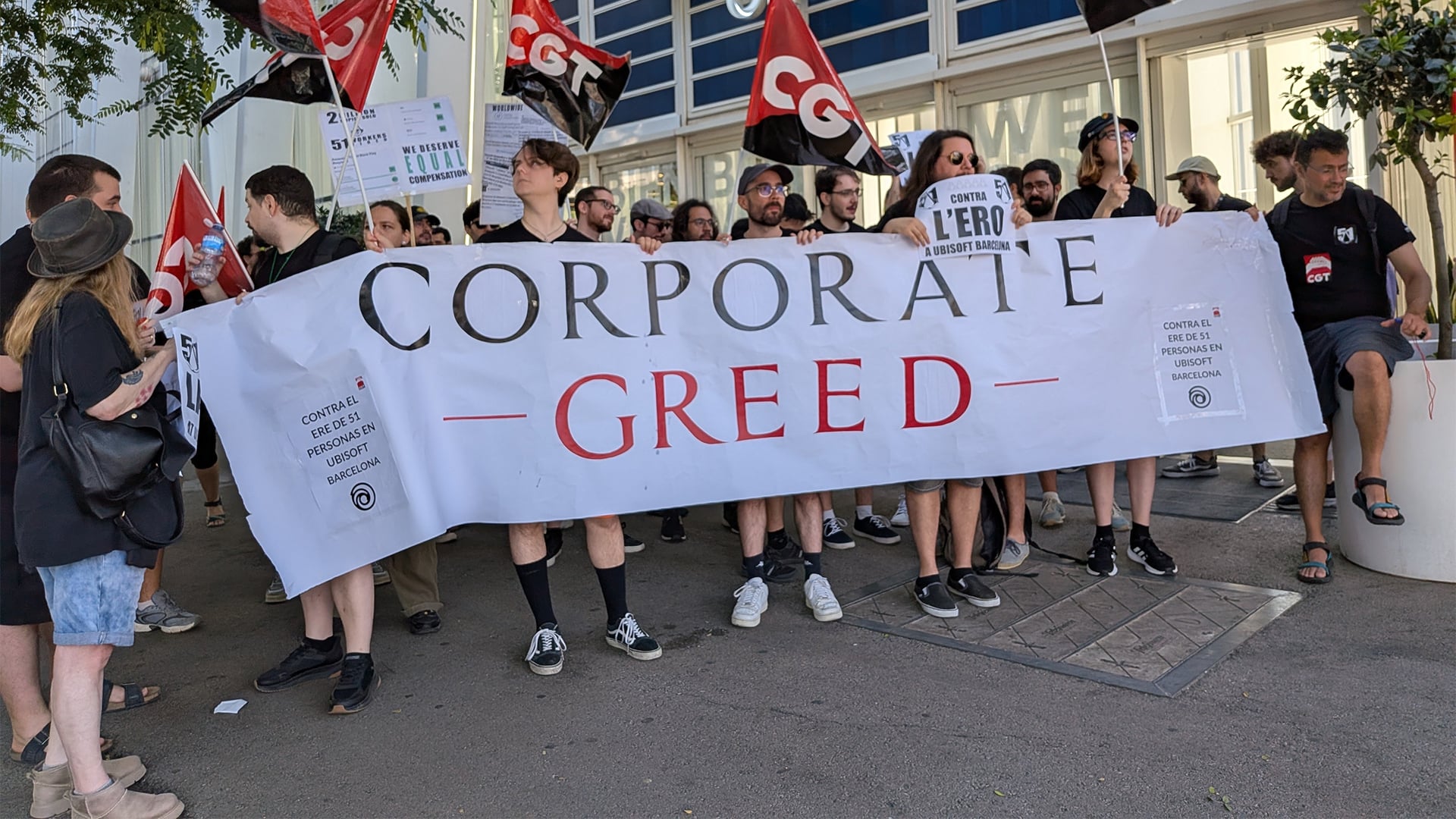
If the strike persists, expect either quiet scope trimming (fewer or less ambitious underwater sequences) or schedule drift that Ubisoft may try to mask behind marketing beats. Either way, this is the first major red flag for anyone tracking the project’s delivery health.
Node 2: Monetization Uprising Around Premium Microtransactions
The second major spike on the telemetry: premium-priced microtransactions bolted onto an aging hull. Assassin’s Creed IV Black Flag Resynced is re-entering the market as a refined version of a beloved classic, but its current monetization layer is being read by veteran players as a hostile retrofit.
Community sentiment across forums and social feeds is coalescing around three pain points:
- Perceived double-dipping – Players who have already bought Black Flag (sometimes multiple times) are balking at paying again and then facing a premium microtransaction store.
- Value mismatch for a legacy title – The game is not a ground-up remake; adding top-shelf MTX pricing on a resync-level upgrade feels misaligned with expectations.
- Trust erosion – Long-term Assassin’s Creed fans see this as part of a broader pattern of aggressive monetization, which is now being projected onto Black Flag Resynced.
For #indiegame and #gamedev teams, this backlash is a cautionary datapoint: monetization context matters. Players are far more sensitive when:
- The title is a nostalgia artifact with strong emotional equity.
- The upgrade is incremental (visual, performance, QoL) rather than transformative.
- The publisher has a history of contentious monetization in the same franchise.
Expect sustained resistance until Ubisoft either rebalances prices, repositions items as cosmetic-only sweeteners, or bundles content more generously into the base package. Right now, the economic design is fighting against the goodwill the remaster is supposed to capitalize on.
Node 3: Visual Fidelity Delta – PS5 vs PS4
On the technical side, fresh footage and comparisons confirm that Assassin's Creed IV Black Flag Resynced on PS5 is delivering a targeted visual resync, not a structural remake.
Key observable upgrades:
- Texture resolution bump on ships, character models, and coastal settlements.
- Refined lighting with better global illumination and more natural falloff on sails, foliage, and ocean surfaces.
- Denser environmental detail, particularly in port towns and jungle outcrops.
- Sharper edge clarity and more stable image composition, likely via improved anti-aliasing and higher resolution output.
- Water simulation improvements, enhancing wave detail, foam, and reflections—critical for a naval sandbox.
Crucially, the underlying mission design, systemic structure, and world layout appear intact. This is consistent with a remaster-style uplift rather than a ground-up reimagining. For developers, this maps to a strategy of:
- Preserving original systemic scaffolding to control risk and cost.
- Investing in rendering, materials, and post-processing to modernize the look.
- Leveraging new hardware for stability and responsiveness rather than redesigning core loops.
This approach is efficient, but it also sets expectations: players will judge the package not as a new game, but as "the definitive version" of a classic. That makes controversies around layoffs and monetization even more visible, because there’s less novelty to distract from them.
Strategic Takeaways for the Sector
For studios tracking Assassin’s Creed IV Black Flag Resynced as a market and production signal, three clear lessons emerge:
-
Labor Stability Is a Core Production Risk
Centralizing specialized features (like underwater exploration) in a single studio can accelerate development, but it also concentrates risk. Strike protocols can instantly endanger schedules and feature completeness. -
Monetization Must Respect Legacy and Player History
When reissuing a beloved title, aggressive microtransactions can invert the nostalgia effect. The more iconic the game, the more carefully its new business model must be framed and justified. -
Remaster-Level Upgrades Need Clear Positioning
Visual resyncs—improved textures, lighting, and water—are welcome, but they must be communicated honestly. Players will accept a conservative upgrade path if pricing and monetization feel fair.
Assassin’s Creed IV Black Flag Resynced is now a live, evolving case study in how technical refresh, labor policy, and monetization design intersect. Over the coming weeks, watch for Ubisoft’s response on all three fronts—because the way they recalibrate here will echo across future remasters, both in-house and across the wider industry.
Current Status: Monitored Tags
- assassin's creed iv black flag resynced
- #gamedev
- #indiegame
- Monetization design
- Labor relations in AAA
- Remaster vs remake strategy
Sources and corrections
This archive entry does not have a verified article-source list. Images and video embeds alone are not evidence for every claim.
Found an error? Request a correction. Include the passage and a supporting source.
Your games, in one place
Keep up with Assassin's Creed Black Flag Resynced
Follow this game to collect its posts in your personal feed. Come back to see what you missed.