Automated archive / Assassin's Creed Black Flag Resynced
Black Flag Resynced Sails Smooth, But Monetization Mutiny Is Brewing
Assassin’s Creed IV Black Flag Resynced is a sharp, technically sound return to the Golden Age of Piracy—but Ubisoft’s premium microtransactions are igniting a full-scale mutiny. This week’s sector intel breaks down the visual uplift, naval meta shifts, economic optimization, and why the monetization retrofit is...
AI-generated summary. This archive article does not have a current recorded source check. Check linked sources before relying on details. Editorial policy

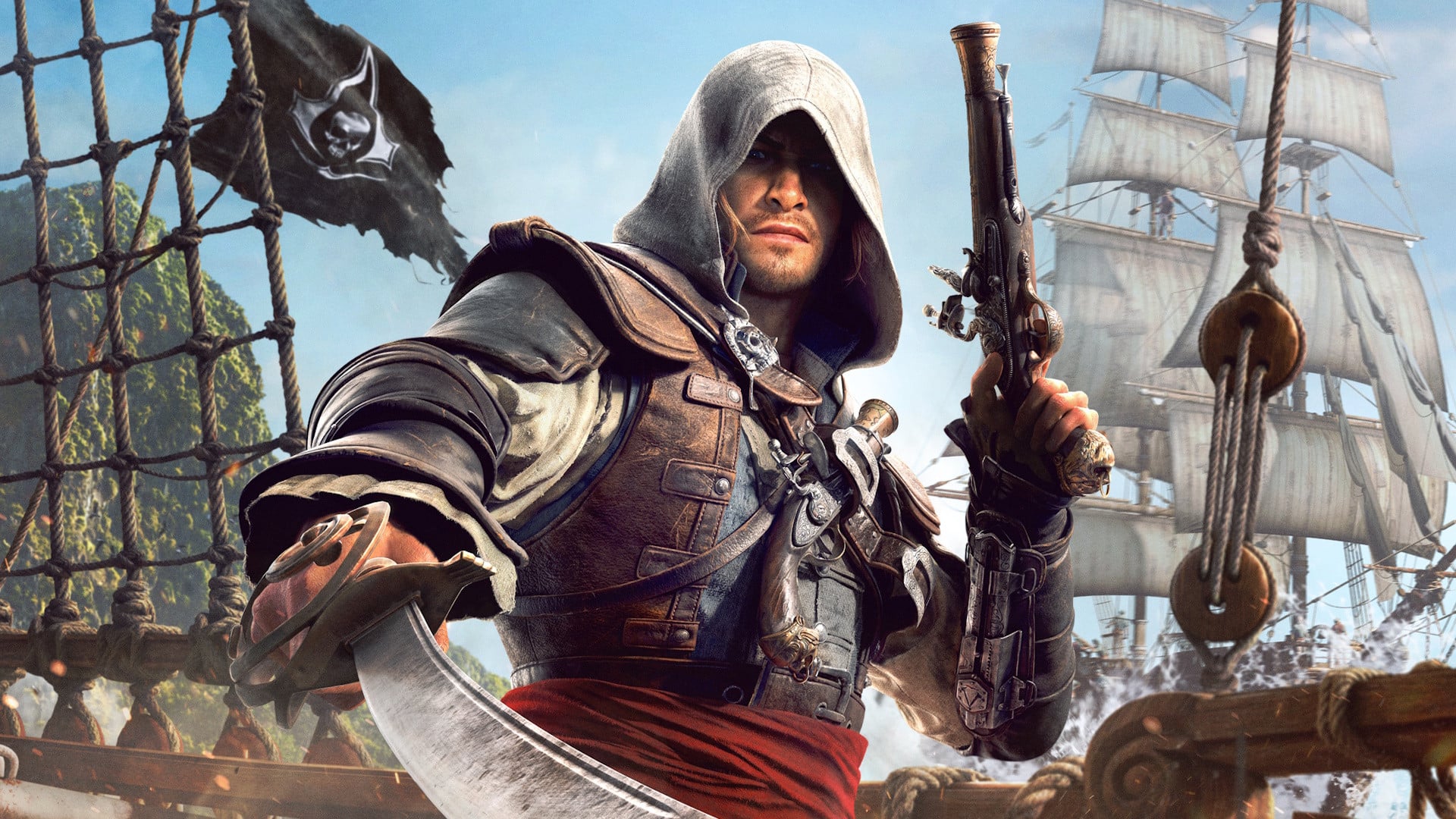
Weekly Sector Intelligence: Assassin's Creed IV Black Flag Resynced
Assassin's Creed IV Black Flag Resynced has fully re-entered the grid, and the last seven days paint a clear picture: technically, this is a sharp modern relaunch of a classic stealth-sandbox, but Ubisoft’s new monetization layer is triggering a sector-wide backlash. From visual uplift on PS5 and Xbox to rebalanced progression and naval meta shifts, the remaster is quietly excellent—yet the conversation is being dominated by premium-priced microtransactions stapled onto a legacy single-player experience.
Tech & Visual Uplift: A Targeted Resync, Not a Full Rebuild
Field reports on assassin's creed iv black flag resynced’s technical profile point to a focused modernization rather than a ground-up remake. On PS5 versus the original PS4 build, players are logging:
- Higher texture resolution across ships, character models, and coastal settlements.
- Refined lighting and denser environmental detail, especially in port cities and jungle interiors.
- Cleaner edge clarity and more stable water simulation during heavy naval engagements.
This is a classic “Horizon framework” resync: the core simulation, AI behaviors, and mission scripting remain largely intact, but the presentation and performance are tuned for today’s hardware. For #gamedev teams, this is a textbook example of cost-effective remastering—prioritizing frame-rate, image stability, and asset polish over risky systemic overhauls.
Systems & Progression: Naval Supremacy and Early-Game Rebalance
Naval Combat Meta: Area Denial as Core Fantasy
Resynced’s naval combat remains the spine of the experience, and current meta analysis reinforces a few key doctrines:
- Upgrade priority: hull integrity, broadside cannons, and mortars should come online before cosmetic or auxiliary systems. This maximizes survivability and enables long-range opening salvos.
- Engagement flow: use chain-shot to cripple masts, maintain optimal range bands by ship class, then close for boarding to convert encounters into high-yield loot events.
- Wind exploitation: wind vectors still matter; flanking trajectories and broadside timing separate clean victories from resource-draining slugfests.
For designers, this is a strong case study in how clear upgrade hierarchies and readable naval physics can keep a decade-old combat loop feeling contemporary.
Temporal Loadout Shift: Coolest Gadget, New Pacing
One of the more significant design tweaks in assassin's creed iv black flag resynced is a temporal rebalance of its standout gadget—moved from late-game prestige unlock to mid-game standard issue. The impact:
- Earlier power fantasy: players access a high-impact stealth tool while the world map is still expanding, reshaping infiltration routes both on-foot and during boarding actions.
- Progression feel: instead of saving the most interesting toy for the final act, the campaign now frontloads experimentation, which is likely to improve completion rates and replayability.
For #gamedev teams, this is a reminder that shifting when a tool appears in the tech tree can be as transformative as changing the tool itself.
Economy & Optimization: Profit Engines in a Pirate Sandbox
Kenway’s Fleet as Long-Haul Profit Engine
Kenway’s Fleet has gone from “optional distraction” to a recognized economic backbone in Resynced:
- Prioritize fast, durable ships and keep every docked vessel deployed on trade routes.
- Focus on low-resistance, high-payout paths to maintain near-constant mission turnover.
- Treat it as passive income that underwrites aggressive ship upgrades and experimental play.
Paired with field intel on the six fastest revenue streams—high-yield naval engagements, target-rich trade lanes, and repeatable contracts—the economic meta now rewards players who think like systems designers: reduce downtime, chain rewards, and reinvest in survivability.
Cosmetic Acquisition: Mapped Routes, Minimal Friction
Even cosmetics are being systematized. The Captain Morgan Outfit route is now thoroughly documented, allowing players to:
- Plan retrieval with minimal backtracking.
- Fold cosmetic hunts into broader loot and synchronization routes.
This kind of community-driven optimization around cosmetics is instructive for #indiegame and AAA teams alike: if cosmetics exist, players will route around them, so clarity and low friction pay dividends.
Monetization Uprising: Microtransactions on an Aging Hull
The dominant narrative this week isn’t the remaster’s fidelity—it’s the “premium-priced microtransactions” retrofit. Veteran players are framing the move as a hostile economic overlay on a previously self-contained single-player sandbox. Key sentiment trends:
- Perception of double-dipping: charging for a remaster and layering in aggressive MTX feels like extracting value from nostalgia rather than reinvesting in it.
- Legacy expectations: Black Flag launched as a complete boxed product; reintroducing it with a more aggressive store runs counter to the community’s memory of the original.
- Coordinated resistance: forums and social feeds are rallying around boycott language and calls for rebalancing or removal of the priciest options.
For Ubisoft, expect sustained resistance until the economic parameters are recalibrated—either via price cuts, more generous in-game earn rates, or clearer separation between power and cosmetics. For other studios monitoring the sector, the lesson is blunt: retrofitting modern monetization onto beloved legacy titles is a reputational high-risk move, even when the underlying remaster is strong.
Strategic Takeaways for Developers & Analysts
- Remaster scope done right: assassin's creed iv black flag resynced demonstrates how targeted visual uplift, performance tuning, and selective progression tweaks can make a 2013 design feel 2026-ready without a full remake budget.
- Combat clarity ages well: readable naval systems, clear upgrade priorities, and strong feedback loops are why Black Flag’s ocean sandbox still feels competitive with modern open worlds.
- Monetization must respect legacy: the current backlash is less about the presence of MTX and more about their fit with a storied single-player campaign.
For #gamedev and #indiegame teams, the signal is clear: if you’re resyncing a classic, invest first in technical stability, UX clarity, and smart progression reshuffles. Treat monetization as the final, most delicate layer—not the keel of the ship.
Sources and corrections
This archive entry does not have a verified article-source list. Images and video embeds alone are not evidence for every claim.
Found an error? Request a correction. Include the passage and a supporting source.
Your games, in one place
Keep up with Assassin's Creed Black Flag Resynced
Follow this game to collect its posts in your personal feed. Come back to see what you missed.