Automated archive / Assassin's Creed Black Flag Resynced
Black Flag Resynced Sails Strong, But Monetization Mutiny Is Brewing
Assassin's Creed IV Black Flag Resynced is back on the grid with sharper visuals, smarter progression, and a still-lethal naval sandbox—but its new premium microtransactions have sparked a sector-wide monetization mutiny. This week’s report breaks down the upgraded systems, the economic meta, and why Ubisoft’s...
AI-generated summary. This archive article does not have a current recorded source check. Check linked sources before relying on details. Editorial policy

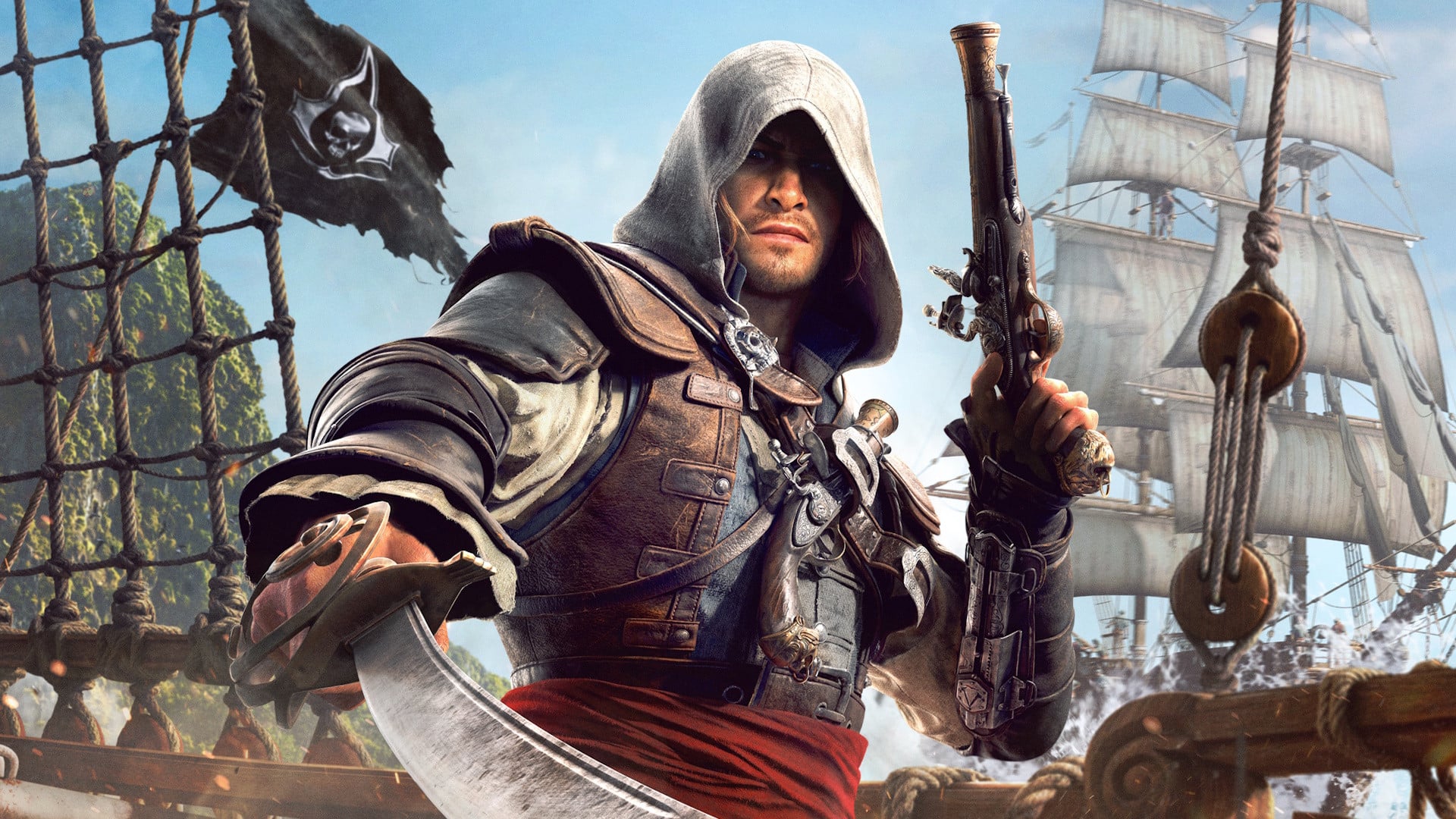
Weekly Sector Intelligence: Assassin's Creed IV Black Flag Resynced
Ubisoft’s resynchronization of assassin's creed iv black flag resynced has formally reinserted one of the most influential stealth-sandbox blueprints into the modern hardware grid. The past seven days of signals paint a split-screen picture: mechanically and visually, the rebooted Caribbean theater is thriving; economically, a premium microtransaction layer has triggered a full-blown monetization uprising.
Visual & Technical Resync: A Targeted, Not Total, Overhaul
Field reports from PS5 vs PS4 comparisons confirm this is a targeted visual resync rather than a ground-up rebuild. Texture resolution is sharper, lighting is cleaner, and environmental density is up, especially across coastal settlements and oceanic vistas. Edge clarity and water simulation benefit most, bringing naval engagements closer to current-gen expectations while preserving the original systemic DNA.
On both PlayStation and Xbox, the uplift focuses on:
- Higher, more stable frame rates than the legacy 30 FPS experience.
- Improved scene stability during chaotic naval engagements and boarding actions.
- Modernized pipelines under Ubisoft’s Horizon framework, easing future patching and balance passes.
This is the classic remaster play: enough fidelity to keep the game competitive in 2026 libraries, but not a full structural teardown. For #gamedev observers, it’s a clear example of cost-conscious asset reuse paired with selective rendering and pipeline upgrades.
Systems Meta: Naval Dominance and Early-Game Optimization
Mechanically, intelligence feeds suggest the core loop remains dangerously intact. Naval combat and open-world piracy still operate as the primary engagement engines, but players are rapidly re-solving the meta under Resynced’s tuning.
Ship Upgrade Doctrine: Survivability First
Early-game supremacy in Black Flag Resynced hinges on a pragmatic upgrade path:
- Hull integrity as the first priority, extending time-on-target in multi-ship brawls.
- Broadside cannon arrays to spike DPS and shorten engagements.
- Mortars as a long-range area-denial tool to soften targets before boarding.
Cosmetic and auxiliary systems are being deprioritized in favor of raw combat throughput. The result: faster loot cycles, more reliable boarding, and higher resource velocity to fund subsequent upgrades.
Kenway’s Fleet: From Side Activity to Profit Engine
Kenway’s Fleet is being reframed by the community as a long-haul economic backbone, not optional side content. Optimal protocols include:
- Prioritizing fast, durable ships to minimize mission downtime.
- Chaining high-yield, low-resistance trade routes to keep every dock slot occupied.
- Treating fleet deployments as a background profit layer that continuously feeds ship and gear upgrades.
Couple this with the compiled intel on the six fastest revenue streams—high-yield naval engagements, dense trade lanes, and repeatable contracts—and Resynced’s economy rewards players who think like logistics officers rather than lone-wolf pirates.
Progression Rebalance: A Late-Game Gadget Moves Up the Timeline
One of the more interesting #gamedev-facing changes is a temporal rebalance of the tech tree. A standout late-game gadget—previously positioned as an endgame prestige unlock—has been shifted into the mid-game window.
This has two notable design impacts:
- Stealth toolkit parity earlier in the campaign: On-foot infiltrations and hybrid naval/stealth ops gain more tactical options sooner, smoothing the difficulty curve.
- Rewritten optimal routes: Speedrunners and system optimizers are already rethinking mission order, resource allocation, and when to pivot from pure ship investment into personal gear.
From a systems design lens, this is Ubisoft retrofitting a fan-favorite tool into the core experience, rather than holding it back as late-game candy—an instructive move for any #indiegame team considering how to reposition high-impact mechanics in remasters or definitive editions.
Cosmetic & Collection Loops: Captain Morgan Outfit and Beyond
Cosmetic acquisition remains a secondary but persistent motivator. The complete route to secure the Captain Morgan Outfit has been fully mapped, minimizing backtracking and friction. This kind of optimized pathing—effectively a cosmetic speedrun—demonstrates how legacy content can gain renewed life when resurfaced in a modernized build.
These micro-collection loops, when tuned well, extend dwell time without brute-forcing grind. The danger, as this week proves, is when they intersect with aggressive monetization.
Monetization Uprising: Premium Microtransactions on an Aging Hull
The most volatile data point in the last seven days is the coordinated backlash against premium-priced microtransactions. Assassin's Creed IV Black Flag Resynced is being called out for bolting a modern monetization layer onto what many players still perceive as a self-contained, legacy premium product.
Community sentiment across forums and social feeds frames this as a hostile retrofit:
- Long-time players feel the new store layer clashes with the game’s age and prior value proposition.
- There’s a perception that Ubisoft is double-dipping on a classic, especially when combined with a fresh remaster price tag.
- The backlash is organized and sustained, not a 24-hour flare-up.
From an industry perspective, the key lesson is alignment: if you’re reselling a beloved archive title, every monetization decision must respect the original social contract with the audience. The tech uplift and progression tweaks are being praised; the economic layer is actively eroding goodwill that the remaster otherwise earns.
Expect continued resistance until Ubisoft either recalibrates pricing, offers clearer value framing, or rolls back specific premium hooks.
Strategic Takeaways for Developers Watching the Horizon
For studios—AAA and #indiegame alike—tracking this deployment, Assassin's Creed IV Black Flag Resynced is a live case study in:
- Smart remaster scope: Targeted visual and performance improvements can successfully recontextualize a classic without full redevelopment.
- Systemic resilience: Strong core loops (naval combat, stealth, exploration) can survive a decade with relatively light mechanical intervention.
- Progression re-architecture: Moving high-impact tools earlier can refresh player behavior and pacing without rewriting the entire campaign.
- Monetization misalignment risk: Even a technically sound remaster can run aground if its economic model feels out of sync with player expectation and the game’s legacy.
Sector Outlook: Still the Sharpest Blade in Ubisoft’s Archive—If the Economy Calms Down
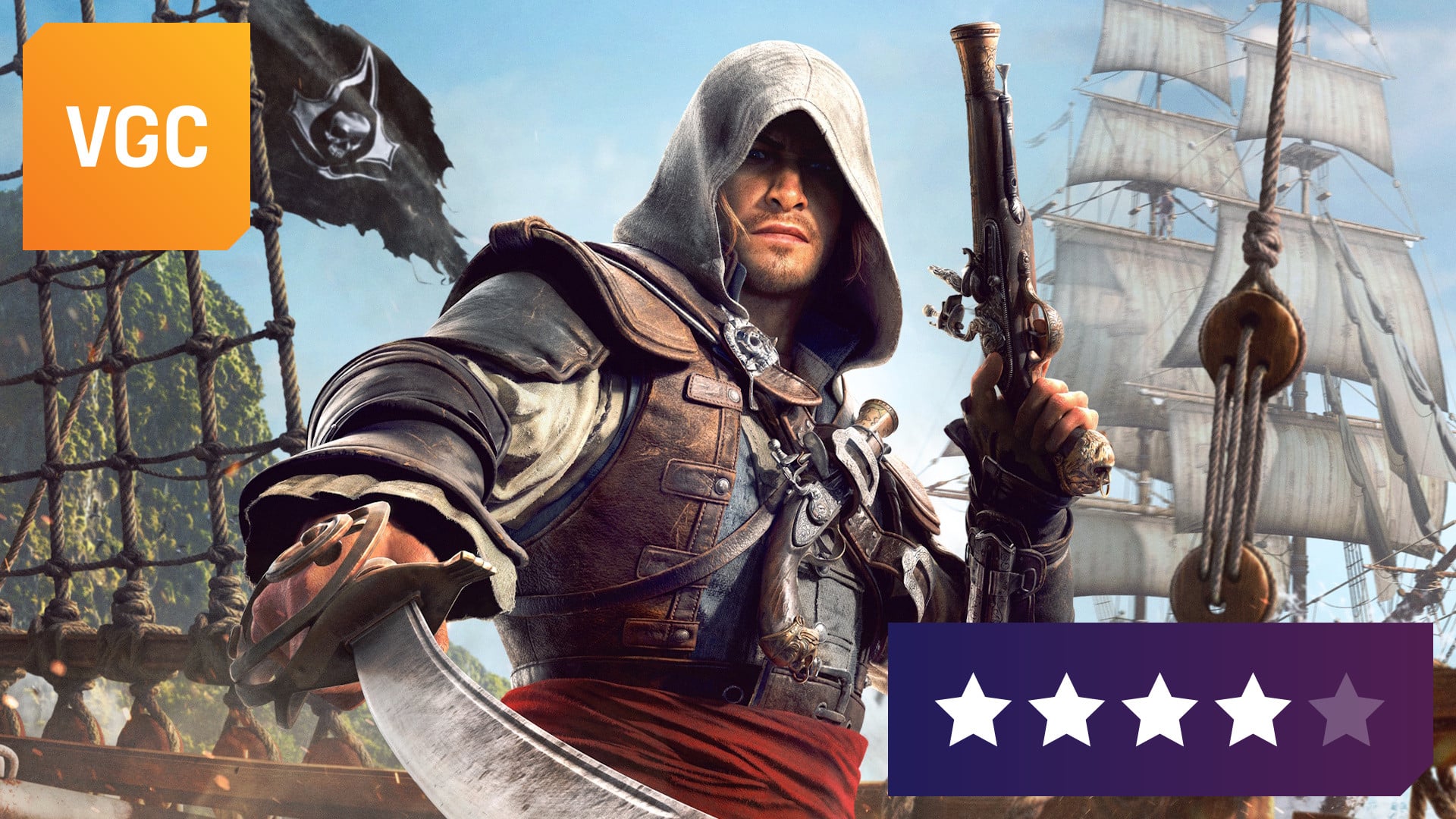
Critical responses underline a consistent throughline: this is still one of the sharpest Assassin’s Creed experiences Ubisoft has ever shipped, now tuned for modern hardware and rediscovered by a new cycle of players. Naval engagements, island infiltrations, and freeform piracy feel surprisingly current, even when legacy seams occasionally show through the remaster’s textures.
If Ubisoft can defuse the monetization mutiny—through pricing adjustments, increased earnable routes, or clearer communication—the long-term prognosis for assassin's creed iv black flag resynced is strong. The systemic foundation holds; it’s the surrounding economic scaffolding that needs a patch.
Sources and corrections
This archive entry does not have a verified article-source list. Images and video embeds alone are not evidence for every claim.
Found an error? Request a correction. Include the passage and a supporting source.
Your games, in one place
Keep up with Assassin's Creed Black Flag Resynced
Follow this game to collect its posts in your personal feed. Come back to see what you missed.