Automated archive / Artificial Detective
Artificial Detective Brings True Investigation Sims Back From the Dead
Artificial Detective is emerging as a rare, logic-first investigation sim where every NPC is a data node and every solved case rewires a neon-soaked megacity. With veterans from Control and Dead Space at the helm, this indiegame aims to turn forensic reasoning—not combat—into the player’s primary weapon.
AI-generated summary. This archive article does not have a current recorded source check. Check linked sources before relying on details. Editorial policy

Sector Intelligence Report // Week of March 26, 2026
Artificial Detective has come online, and the first transmissions suggest something rare in the modern market: a first-person, open-world investigation sim that actually expects players to think. Built by veterans behind Control and Dead Space, this #indiegame is positioning itself less as a shooter and more as a logic-driven forensic platform—where every NPC is a data node and every clue is a query in a living system.
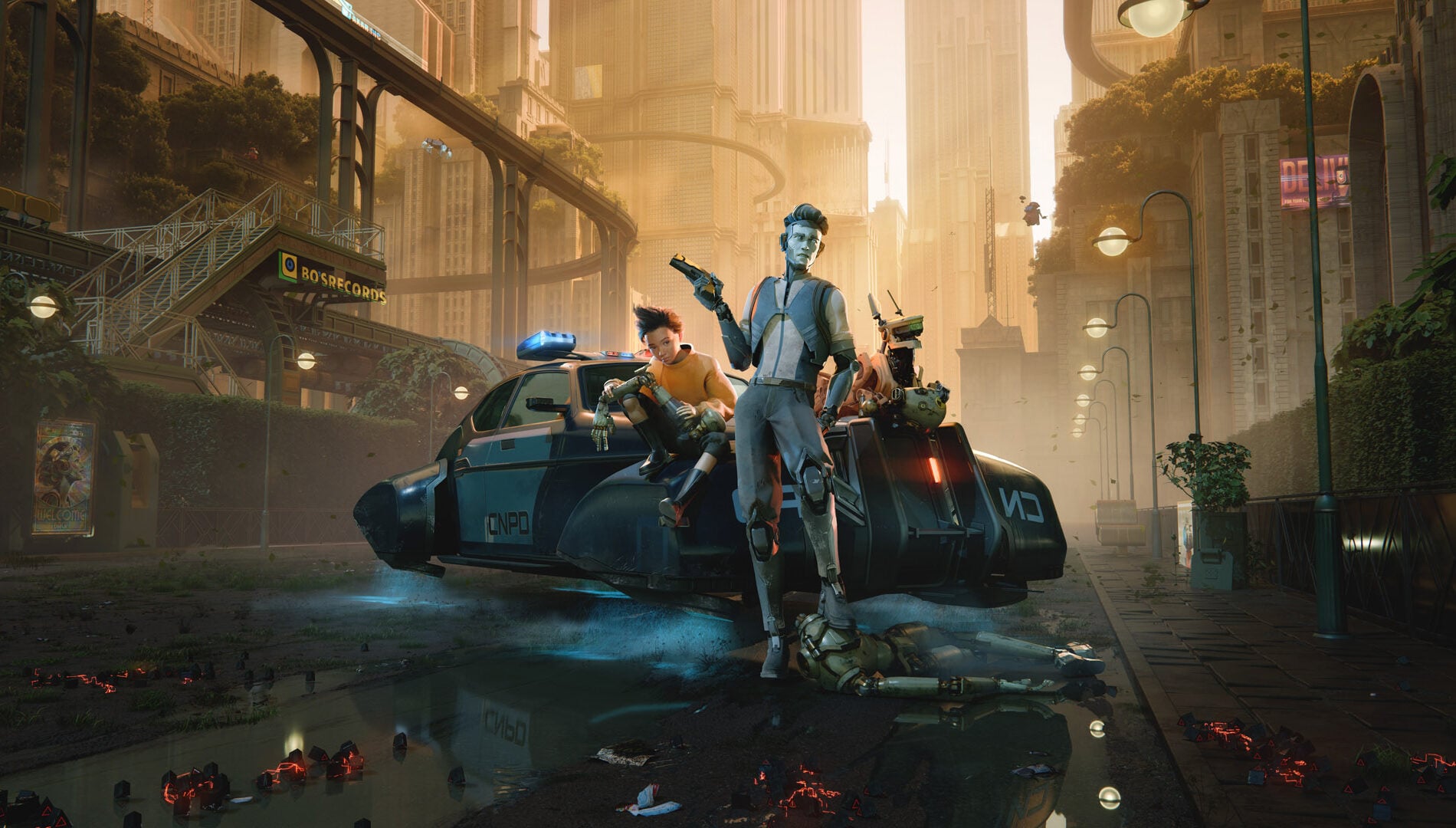
This week’s signals—from its official reveal trailer and follow-up breakdowns—paint a picture of a neon-noir megacity with no humans left, only traces of them. At the center is a robot sleuth running protocols in search of its vanished creators, turning the entire city into a crime scene.
Watch: Transmitting Gameplay footage from the field: Artificial Detective Official Reveal Trailer
World State: A Human-Less City as a Forensic Playground
The core narrative hook is clean and potent: you are an artificial detective booting up in a city where every pixel is potential evidence. Humanity is gone, but their systems, infrastructure, and digital ghosts remain. Instead of leaning on combat or chase sequences, Artificial Detective turns the environment itself into the primary antagonist.
According to this week’s intel, the city functions as a noir-soaked network: corrupted signals, decaying architecture, and layered data trails. Urban decay isn’t just aesthetic dressing; it’s a storytelling surface. Broken signage, abandoned terminals, and derelict transit lines become context for what happened before you came online.
Systems Intelligence: Every NPC Is a Data Node
One of the most interesting #gamedev details from the breakdown is the systemic treatment of NPCs. Each character is effectively a node in a simulation: they have routine patterns, movement vectors, and hidden state flags. That means investigations move beyond static dialogue trees into dynamic behavioral analysis.
Players are expected to:
- Parse alibis by comparing spoken testimony with logged movement paths.
- Track movement vectors across districts to verify who was where, when.
- Correlate environmental clues (camera feeds, access logs, physical evidence) with NPC routines to isolate contradictions.
Logical rigor—not reflexes—is the primary weapon. This reframes the usual first-person perspective away from gunplay and toward deduction. In practice, it sounds closer to a systemic detective sandbox than a linear mystery game.
Caseboard as Living Network: Consequences Beyond the Crime Scene
The feed repeatedly stresses that "every choice rewrites the caseboard" and, crucially, the city’s social and systemic relationships. That implies:
- Branching investigations where prematurely closing a case or misinterpreting evidence can lock off leads while opening others.
- Shifting alliances among the city’s remaining entities (factions, robots, AIs) based on your findings.
- Persistent state changes in the network—solved cases don’t just disappear; they reconfigure what’s possible later.
For players, this means Artificial Detective isn’t just about solving isolated cases. It’s about curating a version of the truth that shapes the entire simulation. For developers, it’s a bold #gamedev challenge: ensuring that branching logic remains coherent while still feeling reactive and surprising.
Design Lineage: From Control’s Weirdness to Dead Space’s Density
The pedigree behind Artificial Detective is a major part of its early momentum. Veterans from Control and Dead Space bring experience in building dense, atmospheric spaces where environmental storytelling carries as much weight as dialogue.
- From Control, you can see the influence in surreal infrastructure, bureaucratic mystery, and layered systems.
- From Dead Space, there’s a clear focus on environmental tension and diegetic interfaces—perfect for an investigation sim where UI can be folded into the world’s tech.
What’s notable is that this team is applying that expertise to an #indiegame scale project focused on logic and investigation rather than combat. It positions Artificial Detective as a potential flagship for a new wave of systemic detective sims.
Sector Outlook: Why This Reveal Matters
As of this week’s transmissions, Artificial Detective is less about raw spectacle and more about systemic ambition:
- First-person, open-world investigation sim in a neon-soaked megacity.
- Robot detective protagonist parsing a human-less world for traces of its creators.
- NPCs as data nodes, with routines and hidden flags you can interrogate via logic and observation.
- Branching caseboard where every solved case rewires the social and systemic fabric of the city.
For players hungry for deeper, logic-first experiences—and for developers tracking where the next big design frontier might be—Artificial Detective should be logged to your watchlist. If the shipped game matches the ambition outlined in this week’s intelligence, it could become a reference point for how to build truly systemic detective experiences in the modern #gamedev landscape.
Tracked Tags: artificial detective, #gamedev, #indiegame, investigation sim, systemic narrative, detective game design
Sources and corrections
This archive entry does not have a verified article-source list. Images and video embeds alone are not evidence for every claim.
Found an error? Request a correction. Include the passage and a supporting source.
Your games, in one place
Keep up with Artificial Detective
Follow this game to collect its posts in your personal feed. Come back to see what you missed.