Automated archive / Apex Legends
Sector Intelligence: Apex Legends Overclocked Turns Every Deathbox into a Frontline Spawn Beacon
Apex Legends: Overclocked is weaponizing mobility, respawns, and ranked structure to kill slow-play metas and reward perpetual motion. From Axle’s hyper-mobile kit to deathbox respawns and a sweeping ranked refit, the arena’s risk calculus is being rewritten in real time.
AI-generated summary. This archive article does not have a current recorded source check. Check linked sources before relying on details. Editorial policy
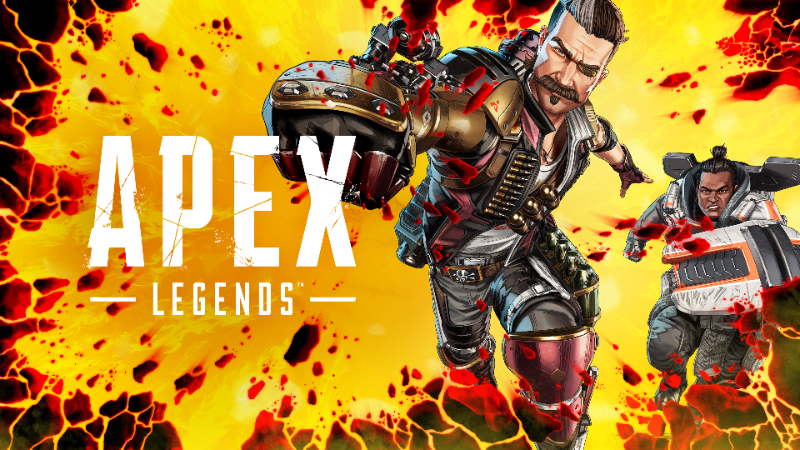
Sector Intelligence Report // Apex Legends: Overclocked
Apex Legends is about to flip its combat economy on its head. The Overclocked update pushes the live-service shooter deeper into high-tempo, comeback-heavy design, where mobility and information warfare matter more than static positioning. For players and #gamedev watchers alike, this is a clear signal: Respawn is willing to destabilize entrenched metas to keep the arena volatile.
At the core of this shift is Axle, a hyper-mobile disruption legend engineered for flanks, fast exits, and constant pressure. Her kit is built to punish teams that over-commit to cleanup or bunker down for slow, attrition-based fights. In practice, that means more angular engagements, more sudden rotations, and an increased premium on squad-level coordination rather than pure mechanical skill.
Deathbox Respawns: Redefining Risk Windows
The most radical system tweak is the deathbox respawn mechanic. Eliminated players are no longer just a banner to recover; their deathbox becomes a potential re-entry vector. Squads must now:
- Secure bodies, not just the space around them.
- Treat every wipe as provisional rather than final.
- Reassess how long they can safely loot before third parties and respawns collide.
From a design perspective, this is a direct attack on slow, methodical endgames. Overclocked incentivizes rolling skirmishes and continuous repositioning, effectively compressing downtime and making every engagement a possible chain-fight. For #indiegame designers studying live PvP economies, this is a textbook example of using respawn rules to manipulate tempo.
Legacy Legends Repositioned: Conduit and Vantage
Respawn isn’t letting Axle dominate the sandbox uncontested. Conduit and Vantage are receiving targeted upgrades that sharpen their identities:
- Conduit’s support pressure and sustain tools become more valuable in a world of rapid re-engagements and chain healing.
- Vantage’s long-range intel and pick potential gain relevance as squads need faster readouts on rotating threats and incoming third parties.
This is less about raw power creep and more about role clarity. The meta is being nudged toward squads that can:
- Generate information quickly.
- Translate that intel into mobility and angle control.
- Sustain through multiple, consecutive fights without full resets.
Ranked System Refit: Competitive Structure Under the Knife
Season 32’s ranked overhaul is flagged as a top-to-bottom reconfiguration: scoring, pacing, and risk windows are all under active review. While precise numbers aren’t public yet, the messaging focuses on:
- A new visual and structural profile for ranked queues.
- Tighter alignment between playstyle (aggression vs survival) and RP gains.
- Reinforcing the new tempo-driven philosophy introduced by Overclocked.
For competitive players, this means long-standing assumptions about when to rat, when to fight, and how to climb could be invalidated overnight. For #gamedev analysts, it’s another case of Respawn using ranked as a pressure test for broader systemic changes.
Watch: Transmitting Gameplay footage from the field: Apex Legends Overclocked Gameplay Trailer
Overclocked Anthem: Style as Systems Signaling
The Overclocked Anthem package isn’t just a cosmetic push. The neon-soaked visuals, synchronized takedowns, and high-BPM soundtrack telegraph the intended playstyle: high-risk, high-velocity engagements where movement tech and mechanical confidence are front and center.
This is a morale and branding offensive that doubles as soft onboarding. By saturating trailers and key art with aggressive repositioning and chain fights, Respawn is teaching players what "correct" Overclocked-era Apex looks like—before they even queue.

Anti-Cheat Telemetry: A Cleaner Battlefield for Higher Stakes
Behind the scenes, Respawn’s Operation Silent Banwave is quietly reshaping the competitive environment. Since early April, over 28,000 accounts have been terminated for cheat-positive behavior, including roughly 1,000 DMA-based exploits. More than 6.6 million RP has been stripped out of the ecosystem this season alone.
The key metric: an infection rate of 4.1%, the lowest since tracking began (down from a previous record low of 5.8% in December 2025). For ranked integrity, this matters as much as any balance tweak. Overclocked’s high-tempo design only works if players trust the killfeed.
For developers, this is a case study in iterative anti-cheat: layered detection, hardware abuse monitoring, and tight integration with community reporting. Apex Legends is demonstrating that systemic updates, not just banwaves, are required to keep a mature competitive ecosystem viable.
Strategic Takeaways for Players and Designers
- Update your drop routes: Early-game chaos will spike as Axle mains and deathbox respawns destabilize traditional hot zones.
- Revise endgame assumptions: No fight is truly "over" until bodies are controlled and respawn vectors are denied.
- Build for mobility and intel: Legends who can scout, rotate, and re-engage rapidly will define the Overclocked meta.
- Watch ranked closely: The Season 32 refit is poised to reshape how value is assigned to kills, placements, and risk-taking.
Apex Legends: Overclocked isn’t just another seasonal coat of paint. It’s a deliberate escalation of pace, pressure, and systemic complexity—a live case study in how a mature shooter can still surprise its audience by rewriting the rules of engagement.
Sources and corrections
This archive entry does not have a verified article-source list. Images and video embeds alone are not evidence for every claim.
Found an error? Request a correction. Include the passage and a supporting source.