Automated archive / Apex Legends
Apex Legends Breach, Hardlight, and the Ranked Fork That Changes Everything
Apex Legends’ Breach era is more than a seasonal refresh—it’s a systemic rewrite of combat, ranked, and live-service philosophy. From Hardlight Mesh to a dual Dropship/Drop Zone ranked protocol, Respawn is reshaping the Outlands for the game’s next seven years.
AI-generated summary. This archive article does not have a current recorded source check. Check linked sources before relying on details. Editorial policy
Sector Overview: Seven Years In, Apex Legends Starts Playing the Long Game
Seven years after drop-in, Apex Legends is quietly executing one of its most coordinated overhauls to date. Season 28: Breach isn’t just a content beat; it’s a full-spectrum systems recalibration that touches combat pacing, map control, ranked structure, and live-service expectations. For #gamedev watchers and competitive players alike, this week’s transmissions read less like routine patch notes and more like a long-term design thesis.
Respawn is pushing three core pillars right now:
- Breach-era combat redesign anchored around Hardlight, close-quarters pressure, and a rebalanced TTK.
- Ranked ecosystem hard-fork with dual Dropship vs. Drop Zone protocols.
- Stability and UX triage to keep the client from buckling under the new complexity.
Underneath the patch cadence is a clear message: Apex Legends wants to feel intentional again, not like a live-service duct-tape project.
Breach Meta: Hardlight, Forced Sightlines, and a New CQB Identity
Season 28: Breach is Respawn’s most overt attempt in years to reframe how fights actually unfold.
Hardlight Mesh: Map Control as a First-Class System
The new Hardlight Mesh framework rewires building play. Windows and chokepoints now spawn translucent barriers with 200 HP that:
- Block bullets and bodies until shattered.
- Take bonus damage from specific weapon classes, explosives, melee, and certain Legend abilities.
- Slowly rebuild over time, dynamically reshaping angles mid-match.
Controller Legends gain the power to rebuild and reinforce these meshes, effectively turning soft cover into semi-permanent fortifications. For design-minded readers, this is Apex flirting with a light "destruction / reconstruction" loop—less Battlefield rubble, more Valorant-style lane gating.
This has two big implications:
- Entry denial is now a deliberate mini-game. Teams must commit tools (nades, ults, specific weapons) just to crack a building hold.
- Sightlines are no longer static. Windows you cleared 30 seconds ago can re-solidify, forcing constant reevaluation of push timings.
Weapon & Legend Balance: No More Passive Marksman Meta
The Season 28 balance uplink outlines a clear design intent: stop “forced metas” that funnel everyone into the same long-range poke comps.
Key beats:
- Marksman weapons are toned down to reduce their dominance in mid-range overwatch positions.
- Shotguns receive buffs to pull the meta toward brutal close-quarters breaches, synergizing with Hardlight’s emphasis on interior fights.
- Fuse rework, plus targeted updates to Catalyst and Bloodhound, aim to open new lines of counterplay instead of raw stat spikes.
- Knockdown Shields and Backpacks are rebalanced, subtly shifting revive survivability and inventory priorities during late-game breaches.
The designers also call out Time to Kill (TTK) as a primary tuning lever. The goal: keep fights tense and readable—no instant deletion, but no spongey stalemates. The Breach changes try to reward positioning, timing, and kit synergy over pure aim duels.
Ranked Protocol Split: Dropship vs. Drop Zone Hard-Fork
The most disruptive structural change this week is the dual-system ranked deployment. Respawn is effectively hard-forking the ranked ecosystem into:
- Classic Dropship matches (traditional BR deployment).
- Drop Zone missions, a higher-risk ruleset being layered into the same matchmaking pool.
Dynamic Escalation Based on Lobby MMR
Backend engineers are currently stress-testing a matchmaking lattice where:
- Lobbies that cross a Diamond+ population threshold are escalated into Drop Zone rules of engagement.
- Platinum squads running with Diamond+ teammates can expect mixed mission profiles: some standard Dropship queues, some Drop Zone insertions.
Critically, Drop Zone missions are clearly flagged in UX:
- The loading screen will display “RANKED - DROP ZONES” so players know when they’re opting into a spicier deployment.
From a #gamedev systems perspective, this is notable because:
- It’s a net-new ranked subsystem layered onto an aging live-service stack.
- Telemetry, sentiment, and UX clarity are explicitly called out as active tuning targets.
Respawn is effectively running a live A/B test on high-rank pacing and drop dynamics, with room to adjust thresholds, rules, and UI as data comes in. Expect iteration—and edge-case weirdness—over the next few weeks.
Stability, UI Triage, and Client Health
The last seven days also show the less glamorous but crucial work of keeping a seven-year-old client upright.
UI Anomaly Hotfix
A “UI failure” was causing:
- Loss of access to core home screen tabs.
- Corrupted or incorrect currency readouts.
A fast-response hotfix restored navigation and financial telemetry, a reminder that even as Respawn pushes complex systems like Hardlight and Drop Zones, they’re still fighting the entropy of a long-lived codebase.
Match Stability and Input Investigations
Recent transmissions confirm:
- Stability fixes for Trios and Duos.
- A patched exploitable hole on Broken Moon.
- Active investigations into Fuse kit quirks and controller input delays.
For players, this reads as “less jank in the short term.” For developers, it’s a signal that Respawn is trying to balance feature velocity (Breach, Hardlight, ranked fork) with maintenance debt.
The Road Ahead: Roadmap Transparency and Live-Service Philosophy
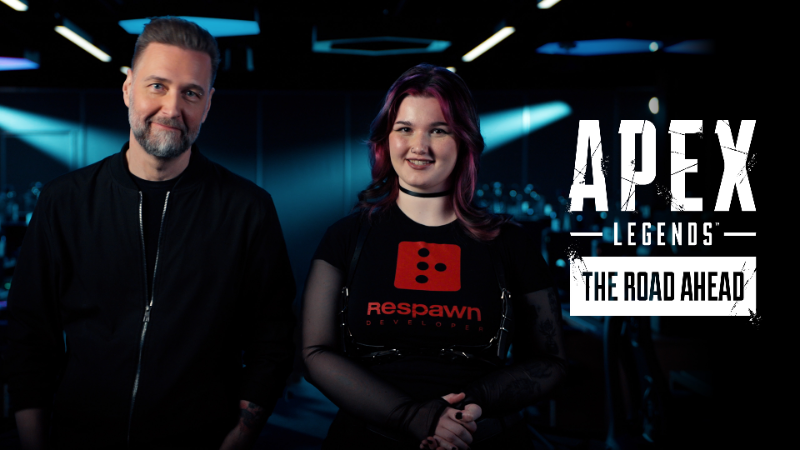
Respawn’s latest “Road Ahead” briefing is the clearest articulation in a while of where Apex Legends is headed:
- More intentional seasonal structure, not just reactive nerf/buff roulette.
- Better support for both ranked grinders and casual squads, with modes and LTMs curated instead of scattered.
- Matchmaking and ranked frustration are explicitly on the table for continued iteration.
- Quality-of-life improvements aimed at reducing friction so logging in feels like an active choice, not an obligation.
From an industry lens, this is Apex trying to reclaim narrative control: instead of patching fires, they’re framing each season as part of a longer arc. That’s critical if the game wants to compete with newer BRs and tactical shooters while retaining its identity.

Seven-Year Milestone: Community-Driven Rewards and Player Retention
The 7th Anniversary celebration leans heavily on community goodwill:
- A Community-Made Reward Tracker.
- The ability to unlock up to four Legends permanently.
This is smart retention design: it lowers the barrier to entry for returning or new players while rewarding long-term mains with tangible progression. It also helps soften the learning curve as Breach-era systems (Hardlight, new ranked behaviors) come online.
EA Play members also get the Gold Fortune Cat Weapon Charm this month, a small but on-brand cosmetic nudge to keep the ecosystem—EA Play, Apex, and the broader EA catalog—interlinked.
Strategic Takeaways for Players and Devs
For players:
- Expect closer, faster, and more claustrophobic fights as Shotguns and Hardlight redefine building control.
- Watch your ranked queues: Drop Zone flags on the loading screen will signal when you’re in the deep end.
- Use the Anniversary window to expand your Legend roster before Breach’s meta fully settles.
For #gamedev and #indiegame teams studying Apex Legends:
- Hardlight Mesh is a case study in systemic map control layered onto an existing BR without full map reworks.
- The ranked fork demonstrates how to experiment with rule variants inside a single matchmaking pool.
- The Road Ahead communications show the importance of transparent design philosophy in late-stage live-service lifecycles.
Sector verdict: Apex Legends isn’t just celebrating seven years—it’s quietly re-architecting how it wants the next seven to feel, one breach at a time.
Sources and corrections
This archive entry does not have a verified article-source list. Images and video embeds alone are not evidence for every claim.
Found an error? Request a correction. Include the passage and a supporting source.