Automated archive / Apex Legends
Hardlight Breach, 7th Anniversary, and the New Apex Legends Combat Doctrine
Hardlight Mesh, targeted Legend reworks, and a recalibrated TTK are rewriting how Apex Legends handles space, information, and pressure in Season 28: Breach. Seven years in, Respawn is using its anniversary not just to celebrate, but to fundamentally re-architect the meta around close-quarters breach-and-clear combat.
AI-generated summary. This archive article does not have a current recorded source check. Check linked sources before relying on details. Editorial policy
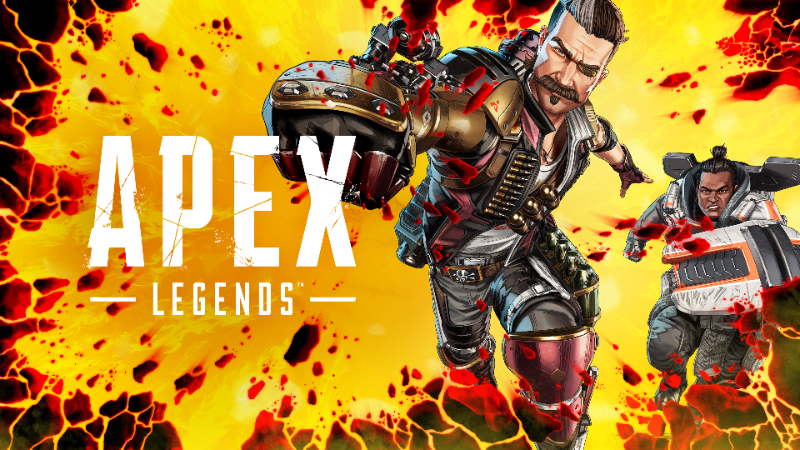
Hardlight Siege: Apex Legends Rebuilds the Battlefield From the Windows In
Season 28: Breach isn’t a routine balance pass for apex legends—it’s a structural rewrite of how players contest space. The headline system, Hardlight Mesh, turns every window into a living, rebuildable choke point, forcing squads to rethink how they execute pushes, holds, and crossfires.
Each Hardlight pane spawns with 200 HP and isn’t just a static health bar. Different weapon classes, explosives, melee, and specific Legend abilities chew through it at different rates, encouraging deliberate loadout planning rather than pure DPS stacking. Because the Mesh slowly regenerates after being shattered, building fights now happen in phases: break, breach, stabilize, and re-fortify.
Controller Legends sit at the center of this redesign. Their ability to rebuild and reinforce Hardlight effectively lets them print cover on demand, converting fragile panes into fortified walls. From a #gamedev perspective, this is a clear attempt to give defensive kits a higher skill ceiling and more expressive play, rather than just “turtle and wait.” Done right, Breach transforms building interiors into dynamic puzzles instead of static boxes.

Meta Breach Protocol: Philosophy Over Pure Chaos
The Season 28 balance uplink is unusually transparent about design intent. Respawn explicitly pushes back on the idea of “forced metas,” framing this update as a targeted revival of underused Legends and weapons rather than a hard shove into one dominant comp.
Three pillars stand out:
1. Time-to-Kill as a Readability Tool
The team is tuning TTK to keep fights tense but legible. That means avoiding two extremes: instant deletion where information doesn’t matter, and spongey duels where decisions blur into attrition. The presence of Hardlight—temporary, destructible, and regenerating cover—makes this even more delicate. If TTK is too low, Hardlight becomes irrelevant; too high, and it turns every window into an unbreakable stall.
2. Legend Reworks With Counterplay in Mind
Fuse, Catalyst, and Bloodhound are all under the knife, but the language around them is telling. Rather than raw stat spikes, the devs emphasize new strategies and counterplay. Fuse’s kit quirks are still being investigated—even post-patch—suggesting the team is willing to ship aggressive changes, then iterate quickly on edge cases instead of locking into conservative, once-a-season adjustments.
Catalyst and Bloodhound tweaks appear aimed at information and denial: how vision, reveals, and terrain control intersect with Hardlight Mesh. Expect compositions that lean heavily on information warfare around fortified windows and doors.
3. Weapon Identity: Marksman vs. Shotgun
Marksman rifles are being toned down while Shotguns are buffed, a clear signal that Breach wants fights to collapse into contested interiors and tight angles. By narrowing Marksman dominance at mid-range and empowering shotguns in close-quarters breaches, Season 28 reshapes the risk-reward curve of peeking Hardlight windows versus hard committing to an entry.
From a sandbox design standpoint, this is a classic identity pass: clarify what each category is for, then let players solve the puzzle of how they combine.
Hardlight Decoded: Aiming, Angles, and Decision Density
Hardlight as a tech fantasy—pure energy sculpted into lethal geometry—also doubles as a mechanical skill check. It rewards:
- Tracking and pre-aim: You’re not just shooting enemies; you’re deciding when to dump into Hardlight to force an opening.
- Angle discipline: Windows are now semi-permeable puzzles. The best squads will bait shots into Mesh, then swing on the reload.
- Kit-synergy: Legends with explosive or structure-breaking tools gain new relevance. Pairing them with Controllers who can re-fortify creates a push-pull rhythm that should age well competitively.
For #indiegame and #gamedev observers, Hardlight is a case study in how to retrofit a mature live-service shooter with a systemic feature that interacts with almost every existing mechanic—TTK, abilities, weapons, and map design—without starting from scratch.
Stability Patches and Ongoing Investigations
Alongside the big-ticket features, Respawn shipped a quieter but important stability patch targeting Trios and Duos reliability, plus a fix for a notorious hole on Broken Moon. The studio also called out active investigations into Fuse’s kit behavior and controller input delay.
This transparency matters. Seven years in, the friction points aren’t just balance; they’re trust and responsiveness. Publicly acknowledging live issues while rolling out a major systemic overhaul signals a willingness to iterate in shorter, more surgical loops.
Seven Years in the Outlands: Anniversary Rewards and Player Onboarding
Apex Legends is celebrating its 7th anniversary with a Community-Made Reward Tracker and the ability to unlock up to four Legends permanently. This is more than a party favor; it’s a retention and onboarding tool.
New or lapsed players can immediately expand their roster, experimenting with the very Legends that are being re-contextualized by Breach’s meta shifts. Veteran players, meanwhile, get a structured reason to re-engage with daily and weekly goals that sync with the new systems.
EA Play subscribers also get the Gold Fortune Cat Weapon Charm this February, a small but thematically sharp cosmetic that folds into the game’s long-running style economy. Cosmetics remain a critical monetization pillar, but they also serve as visual timestamps—markers of when you were in the ecosystem and what seasons you played through.
Strategic Outlook: A Tighter, Faster, Closer Apex
Taken together—Hardlight Mesh, Legend and weapon rebalances, TTK tuning, and the anniversary reward track—Season 28 reads like a deliberate attempt to compress Apex’s engagement envelope. The game is being nudged away from long-range poke wars and toward decisive breaches, fast flanks, and layered interior fights.
For competitive squads, the next few weeks will be about solving the Hardlight puzzle: which Legends best exploit or deny windows, what weapon pairings crack fortified positions fastest, and how to manage TTK in an environment where cover can literally regrow.
Seven years in, Apex Legends is not just maintaining; it’s actively re-architecting its combat language. Breach is less a seasonal theme and more a design thesis: make every entry a decision, every window a negotiation, and every fight a story of how—and where—you chose to break the line.
Sources and corrections
This archive entry does not have a verified article-source list. Images and video embeds alone are not evidence for every claim.
Found an error? Request a correction. Include the passage and a supporting source.