Automated archive / Apex Legends
Hardlight Breach, Seven-Year Meta Surgery, and Apex Legends’ Next Combat Era
Apex Legends’ Breach update is turning windows into systems, Legends into engineers, and close-quarters fights into the new meta baseline. Seven years in, Respawn is using Hardlight, TTK tuning, and targeted reworks to run a live-service shooter like a combat design lab.
AI-generated summary. This archive article does not have a current recorded source check. Check linked sources before relying on details. Editorial policy
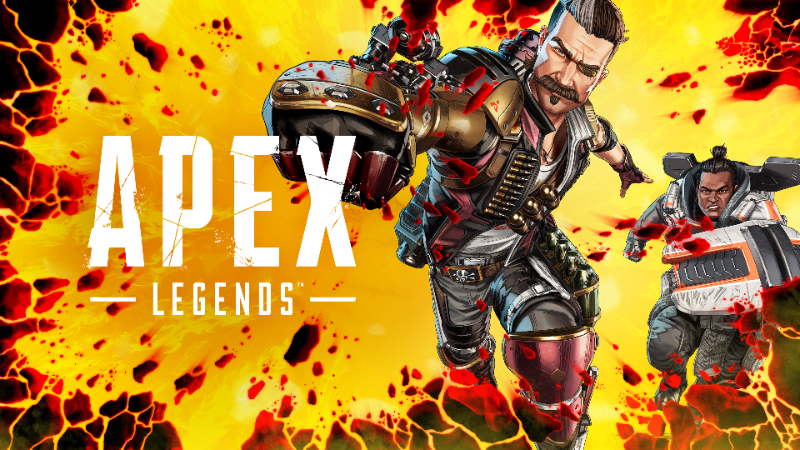
Strategic Overview: Apex Legends at Seven Years
Seven years in, Apex Legends is not coasting—it’s actively rewriting its combat language. The last week’s transmissions paint a clear picture: Season 28: Breach is less a content drop and more a systemic re-architecture of how fights start, flow, and resolve.
This Sector Intelligence Report breaks down three intertwined fronts:
- The Hardlight Mesh and breach-and-clear redesign of buildings.
- The meta recalibration around Time to Kill, Marksman and Shotgun roles, and knockdown/backpack economy.
- The 7th Anniversary live-ops layer, including free Legend unlocks and EA Play cosmetic incentives.
For #gamedev and #indiegame designers tracking long-tail live service evolution, Apex Legends is effectively publishing a case study in how to push a mature shooter into a new phase without detonating player trust.
Hardlight Mesh: Architecture as a Combat System
The most disruptive change this week is the reveal of Hardlight Mesh: translucent window barriers that block bullets and bodies until they’re shattered. Each pane starts at 200 HP, with damage multipliers for specific weapon classes, explosives, melee, and targeted Legend abilities.
Functionally, this does three things to apex legends combat design:
-
Codifies Breach-and-Clear Loops
Windows used to be soft entry points—risky but improvisational. Hardlight Mesh turns them into explicit breach nodes. Squads must now budget utility and damage types to open sightlines, not just win the gunfight once inside. This is a clear push toward intentional, Rainbow Six–style breach planning inside a BR sandbox. -
Temporal Control of Sightlines
Because Mesh slowly rebuilds after being broken, building geometry is no longer static. Designers are effectively scripting a time-based cover economy: windows cycle between sealed, contested, and open states. That creates predictable micro-phases in fights—poke phase, breach phase, collapse phase—without hard scripting. -
Controller Legends as Combat Engineers
Controller-class Legends can rebuild and reinforce Hardlight, upgrading fragile panes into fortified walls. That elevates them from “zone denial” to infrastructure managers. Defenders can now:- Stall pushes and force door rotations.
- Layer Hardlight with traps or vision denial.
- Convert otherwise weak buildings into temporary strongholds.
From a #gamedev perspective, this is a rare example of a BR using map systems rather than only Legend kits to reshape meta roles.

Meta Breach Protocol: Time to Kill and Role Identity
The Season 28 balance uplink frames these changes as a deliberate “meta breach” rather than a random shake-up. The devs explicitly reject “forced metas” in favor of reviving underused tools so more playstyles can compete.
TTK and Combat Readability
The team calls out Time to Kill as a central concern: fights should be tense and legible, not instant deletion or endless attrition. Combined with Hardlight, this suggests a target state where:
- Entry is telegraphed (you see the breach coming as Mesh HP drops).
- Defenders get a small reaction window.
- Aggressors are rewarded for coordinated utility and angles, not just raw DPS.
This is a subtle but important philosophical shift: TTK is being tuned around decision density (how many meaningful choices you get in a fight) rather than only around statistical fairness.
Weapon Grid: Marksman Toned Down, Shotguns Turned Up
Season 28 pushes a clear recalibration of weapon roles:
- Marksman Rifles are being toned down, narrowing their dominance in mid-range skirmishes. The goal is to reduce “chip damage from safety” as the only correct answer to rotations and building holds.
- Shotguns receive buffs to reassert close-quarters lethality, especially in breach scenarios. Given Hardlight’s emphasis on doorways and window entries, this is a deliberate nudge toward high-commitment, short-range engagements once the breach is made.
Paired together, these changes encourage squads to:
- Use Marksman weapons for setup and pressure, not full-fight resolution.
- Swap to Shotguns to close and clean once the Mesh is down and space is contested.
Utility and Survivability: Knockdown Shields and Backpacks
Rebalancing Knockdown Shields and Backpacks further tightens the loop around breach failures. Shorter or more conditional survivability means failed entries are more punishing, while inventory tuning affects how much ordnance and sustain a team can bring to a siege.
For systems designers, this is a holistic pass: entry tools, sustain, and damage profiles are being tuned together rather than in isolation.
Legend Reworks: Fuse, Catalyst, Bloodhound in the Breach Era
The balance uplink flags Fuse, Catalyst, and Bloodhound as key rework targets, with design goals centered on new strategies and counterplay, not raw power spikes.
- Fuse sits at the center of this patch cycle. The devs are actively investigating kit quirks and controller input delays even as they rewire his role. In a Hardlight world, expect Fuse’s explosives to be a primary anti-Mesh tool, turning him into a premier breach initiator.
- Catalyst, already a master of cover manipulation, now coexists with Hardlight as a parallel layer of player-driven architecture. The challenge: ensuring Catalyst’s walls feel distinct from Mesh while still synergizing with Controller reinforcement.
- Bloodhound updates suggest a continued effort to keep scan gameplay readable and fair in denser, more layered interiors. With more occlusion and more forced CQC, information warfare becomes even more critical.
From a design lens, this is Apex acknowledging that Legend kits and environmental systems must co-evolve. Hardlight without kit adjustments would be noise; paired with targeted reworks, it becomes a new meta language.
Live Ops and Celebration Layer: 7th Anniversary and EA Play
The 7th Anniversary transmissions confirm that Respawn is using this milestone as both a celebration and a re-onboarding moment:
- A Community-Made Reward Tracker anchors the event, giving players a curated progression path instead of a purely grindy checklist.
- Players can unlock up to four Legends permanently, a major accessibility play for late adopters and lapsed players returning for Breach.
On top of that, EA Play members can claim the Gold Fortune Cat Weapon Charm during February, a small but smart retention hook that ties subscription value directly into in-match identity.
Stability, Bugs, and the Cost of Complexity
Alongside the headline systems, Respawn is still paying down live-service debt:
- Recent patches target stability in Trios and Duos, reinforcing the core queues that drive most telemetry and balance reads.
- A notorious hole on Broken Moon has been patched, closing off unintended movement exploits that distort both competitive integrity and heatmap data.
- The team is actively probing Fuse’s kit quirks and controller delays, signaling that input feel remains a first-class priority even amid large-scale system changes.
For #gamedev teams studying Apex, this is the key takeaway: systemic overhauls like Hardlight and meta breaches only work if your operational backbone—match stability, input responsiveness, map integrity—remains trustworthy.
Sector Verdict: A Deliberate Breach, Not a Blind Shake-Up
This week’s signals confirm that Apex Legends is entering a Breach Era defined by:
- Architecture as a playable combat system (Hardlight Mesh).
- TTK and weapon identity tuned around decision-rich engagements.
- Legend kits evolving in lockstep with environmental systems.
- Live-ops events (7th Anniversary, EA Play rewards) used as on-ramps into a more complex meta.
For players, that means learning new entries, new angles, and new timings. For designers and #indiegame developers watching from the outside, Apex Legends is demonstrating how to run a year-seven shooter like a live laboratory—where every new wall, window, and weapon is another variable in a carefully managed experiment.
Sources and corrections
This archive entry does not have a verified article-source list. Images and video embeds alone are not evidence for every claim.
Found an error? Request a correction. Include the passage and a supporting source.