Automated archive / Ace Combat 8: Wings of Theve
Inside Ace Combat 8: Wings of Theve’s New First‑Person War Machine
Project Aces is rebuilding Ace Combat 8: Wings of Theve around an immersive first-person cockpit, turning Strangereal’s skies into a denser, more tactical warzone. This week’s intel reveals how upgraded telemetry, cloud-layer tactics, and narrative airspace are reshaping the future of next-gen dogfights.
AI-generated summary. This archive article does not have a current recorded source check. Check linked sources before relying on details. Editorial policy
Sector Intelligence Report // Week of April 13
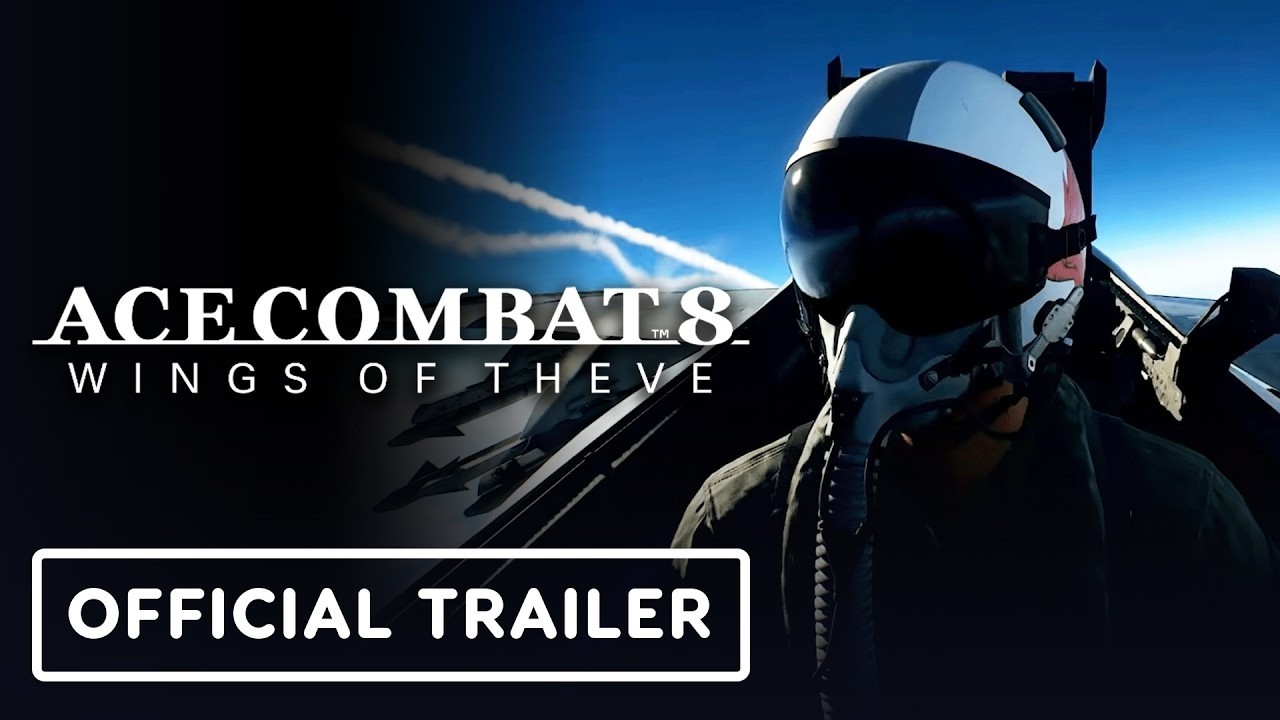
Ace Combat 8: Wings of Theve is shifting from “more Ace Combat” to a systemic rebuild of how Strangereal’s air wars are flown, seen, and felt. Over the last seven days, Project Aces has pushed a focused cluster of intel drops that all orbit one core thesis: this is the first entry in the series engineered from the ground up around an immersive, high‑fidelity first‑person cockpit experience.
This week’s dev transmissions outline three pillars: a new first‑person combat interface, upgraded aerial systems and telemetry, and a broader Strangereal airspace designed for next‑gen dogfights. For #gamedev teams and #indiegame flight-sim designers watching from the ground, Ace Combat 8: Wings of Theve is rapidly becoming a case study in how to evolve a legacy franchise without losing its cinematic DNA.
First-Person Flight Ops: Cockpit-First Design
The most critical development update is the confirmation that ace combat 8: wings of theve is retooling its combat interface around a primary first-person cockpit view. Rather than treating cockpit mode as a “hardcore” toggle, Project Aces is building the UX, HUD, and readability stack around that perspective from day one.
The dev diary highlights:
- Precision flight modeling tuned for cockpit situational awareness, not just third-person flair.
- High-G readability: instrument clusters, HUD symbology, and warning systems are being redesigned to stay legible under extreme maneuvering, cloud cover, and missile spam.
- Rendering pipelines that prioritize interior cockpit detail and glass effects without sacrificing target acquisition clarity.
This isn’t pure sim territory, but it’s a notable drift toward higher-fidelity handling within Ace Combat’s trademark accessible framework. For developers, it’s a reminder that camera choice is not a late-stage UX flourish—it’s a foundational design decision that cascades into physics, UI, and mission scripting.
Strangereal Systems: Telemetry, Weather, and Cloud-Layer Tactics
The second front in this week’s intel is the systemic uplift of Strangereal’s airspace. The “Strangereal Evolution” briefing frames Ace Combat 8 as an evolutionary pass on nearly every layer that influences dogfights:
Refined Combat Flight Systems
The Aerial Systems Briefing calls out refined dogfight telemetry and cinematic sortie design. In practice, that suggests:
- Tighter feedback loops between control input, airframe response, and on-screen telemetry.
- Expanded data surfaces—speed, angle of attack, missile behavior—surfaced in a way that still supports Ace Combat’s trademark cinematic pacing.
This is where Ace Combat 8: Wings of Theve could quietly become one of the more interesting hybrid models in the genre: an action-forward experience that still respects the nuance of energy management and positional play.
Weather and Terrain as Tactical Systems
The Strangereal Airframe Uplift briefing emphasizes weather, terrain, and airframe behavior as key levers in every sortie. Expect:
- Cloud-layer tactics: cloud banks as both cover and risk, influencing lock-on behavior, visibility, and maybe even sensor noise.
- Denser aerial traffic: more aircraft in the sky, raising the cognitive load on target prioritization and spatial awareness.
- More intricate skyfronts: multi-layered battle spaces where altitude bands and terrain ridges matter as much as missile loadouts.
For #gamedev teams, the signal is clear: modern combat scenarios are no longer just about better shaders; they’re about turning environmental fidelity into gameplay decisions.
Cinematic War Stories in a Denser Strangereal
Narratively, Project Aces is framing Ace Combat 8: Wings of Theve around “narrative airspace” as much as physical airspace. The dev ops log references cinematic strike ops and narrative airspace over Strangereal, implying:
- Missions paced like film sequences, but dynamically underpinned by the new flight and weather systems.
- Set-pieces that leverage verticality, cloud layers, and dense traffic to stage memorable beats without feeling fully scripted.
For long-time fans, the key tension is whether this cinematic focus will harmonize with the cockpit-first pivot. Based on the current intel, Project Aces appears to be threading that needle by using the cockpit as the “camera rig” for its trademark drama: missile trails, near-misses, and skyline silhouettes are now framed from inside the canopy.
Strategic Readout: Why This Matters for Developers
From a broader industry perspective, ace combat 8: wings of theve is a live demonstration of how to modernize a long-running franchise while respecting its core identity:
- Camera as Core Pillar: building systems around first-person flight ops instead of treating it as a difficulty modifier.
- Environment as Mechanic: turning clouds, weather, and terrain into readable, intentional gameplay layers.
- Tech Serving UX: upgraded rendering pipelines and hardware-melting visuals are being justified through cockpit readability and tactical clarity, not just spectacle.
For #indiegame studios experimenting with air combat or vehicular design, this development update is a reminder that clarity, intentional systems, and strong perspective choices can matter more than raw asset scale. Ace Combat 8: Wings of Theve isn’t just another sequel—it’s a blueprint for how to re-architect a familiar sky.
Sources and corrections
This archive entry does not have a verified article-source list. Images and video embeds alone are not evidence for every claim.
Found an error? Request a correction. Include the passage and a supporting source.
Your games, in one place
Keep up with Ace Combat 8: Wings of Theve
Follow this game to collect its posts in your personal feed. Come back to see what you missed.
More to read about Ace Combat 8: Wings of Theve
- Source-checked briefAce Combat 8 reaches 1 million sales worldwide
Bandai Namco says Ace Combat 8: Wings of Theve reached 1 million units worldwide faster than any earlier entry in the franchise. It is available on PS5, Xbox Series X|S, and PC via Steam. Bandai...
- Source-checked briefAce Combat 8 Season One pass rewards detailed
Bandai Namco says Season One has free and premium Ace Pass tracks, with the ADFX-02 Morgan–PIXY aircraft on the premium track. Both tracks progress through mission XP, while the Morgan–PIXY offer...
- Source-checked briefAce Combat 8 lands on PS5 October 2
Ace Combat 8: Wings of Theve is scheduled for PlayStation 5 on October 2. Its Story Mode will use mostly first-person cutscenes alongside limited player responses and squad commands. Most Story...