Automated archive / Ace Combat 8: Wings of Theve
Ace Combat 8: Wings of Theve Locks in on Full-Immersion First-Person Dogfights
Project Aces is rebuilding Ace Combat 8: Wings of Theve around a fully immersive first-person cockpit experience, backed by next-gen Strangereal airspace and refined dogfight telemetry. This week’s intel reveals a systemic shift in how air combat readability, weather, and cinematic sortie design intersect on modern...
AI-generated summary. This archive article does not have a current recorded source check. Check linked sources before relying on details. Editorial policy
Strangereal Situation Report
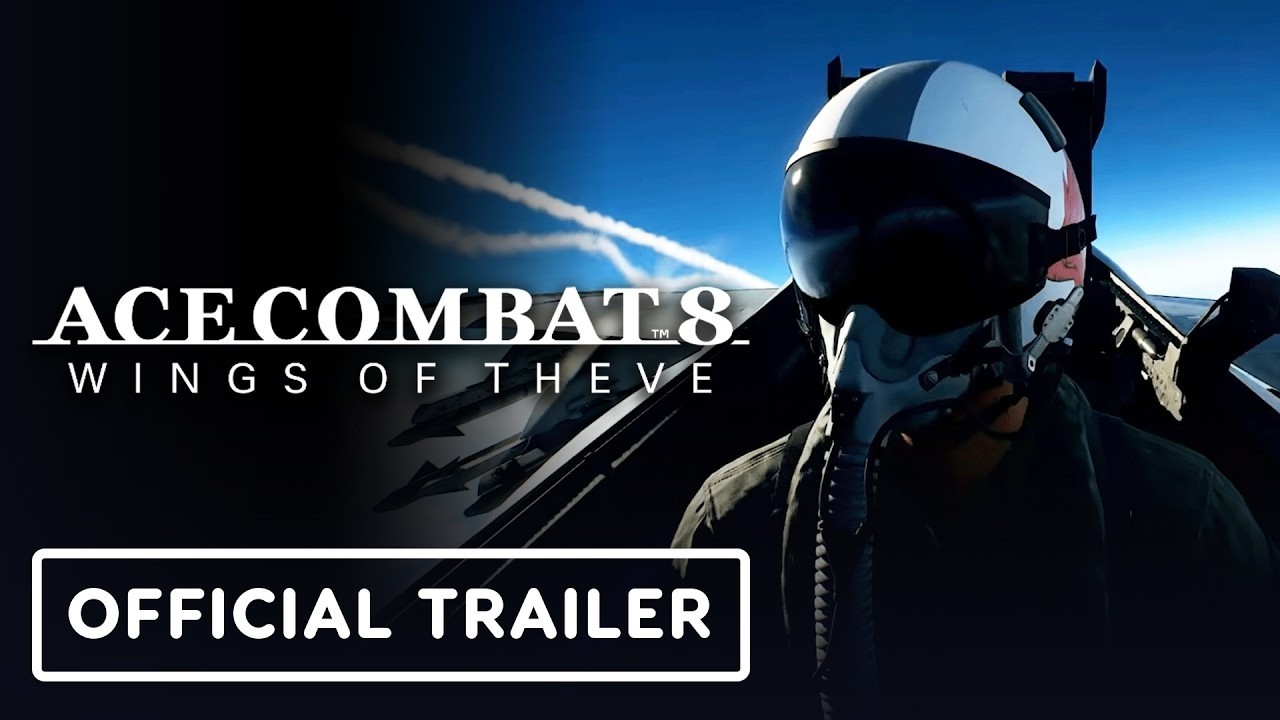
Ace Combat 8: Wings of Theve is shifting from a visual spectacle to a full cockpit ops sim, and this week’s intel confirms Project Aces is rebuilding its combat pipeline around first-person flight and next‑gen Strangereal airspace. Across new dev diaries and technical briefings, Bandai Namco’s team outlines an evolutionary step for the series: denser skies, higher‑fidelity airframes, and UX tuned for pilots living inside the canopy instead of hovering behind it.
This is not a minor camera toggle. It’s a systemic rework of how players read speed, threat vectors, and G‑forces under pressure—positioning Ace Combat 8: Wings of Theve as a flagship case study in cinematic, readable air combat for modern #gamedev teams.
First-Person Flight Ops: Cockpit as Primary Interface
The latest Strangereal Systems Briefing confirms that the combat interface is being retooled around an immersive first-person cockpit view. That has deep design implications:
- Cockpit-first UX: Instrument clusters, HUD overlays, and warning systems now have to survive high‑G maneuvers, motion blur, and target clutter. Project Aces is clearly investing in UX targeting for high-G readability, meaning font weights, contrast, and iconography are being tuned for split-second legibility.
- Precision flight modeling: The brief references precision flight modeling, suggesting tighter coupling between control inputs, airframe response, and feedback. Expect less “arcade float” and more nuanced roll, yaw, and energy management—even if this still isn’t a full mil-sim.
- Cinematic but controllable: The studio’s historical strength is in making impossible shots feel achievable. By centering first-person, they’re betting they can retain spectacle while increasing situational awareness—a tough balance most flight games struggle with.
For #gamedev teams, this is a live example of a franchise using camera perspective as a core design pillar, not a cosmetic option.
Strangereal Airspace: Denser Skies, Smarter Weather, Higher Stakes
The Strangereal Airframe Uplift intel paints a picture of a world tuned for next‑gen jet warfare rather than a simple asset upgrade.
Key takeaways from the Strangereal Evolution briefing:
- Weather as a tactical layer: Weather isn’t just mood lighting; it’s a gameplay system. Cloud banks, turbulence, and visibility shifts are being tuned to influence approach vectors, missile locks, and evasion routes.
- Terrain with purpose: Mountain ranges, coastal cities, and high-altitude plateaus are being framed as “narrative airspace”—spaces where story, mission design, and navigation challenges intersect.
- Denser aerial traffic: The report calls out denser aerial traffic and more intricate skyfronts. That implies not only more enemies, but also allied formations, AWACS support, and overlapping mission objectives that force players to prioritize targets dynamically.
From a design lens, Ace Combat 8: Wings of Theve is doubling down on what made Strangereal unique: it’s not a generic Earth clone, it’s a bespoke combat sandbox whose geography is authored around aerial drama.
Combat Systems: Dogfight Telemetry and Cloud-Layer Tactics
The Aerial Systems Briefing and dev ops log give us a clearer look at how combat is evolving under the hood:
Refined Dogfight Telemetry
Project Aces references refined dogfight telemetry, which likely covers:
- More granular tracking of closure rates, aspect angles, and missile envelopes.
- Smarter AI pilots that can exploit vertical space, not just turn-fight on a 2D plane.
- Better feedback loops—audio cues, HUD pings, and cockpit chatter that warn you before you’re bracketed.
This is the data backbone that makes first-person dogfights feel fair, not chaotic.
Cloud-Layer Tactics
The team explicitly calls out cloud-layer tactics. That suggests:
- Using clouds as soft cover to break locks or mask approach vectors.
- Visibility gradients that change how early you can visually acquire or track a target.
- Potential thermal or radar modeling where certain altitudes or weather cells influence detection.
For #indiegame and #gamedev developers, this is a strong signal: environmental systems are no longer just for screenshots—they’re core to encounter design.
Visual Pipeline: Next-Gen Hardware, Next-Gen Readability
The dev diary notes upgraded rendering pipelines and hardware-melting visuals on next‑gen platforms. The interesting angle isn’t just fidelity—it’s legibility under stress:
- High-contrast lighting in cockpits so instruments remain readable during flares, explosions, and sun glare.
- Atmospheric scattering and volumetrics that look dramatic but don’t obscure crucial silhouettes.
- Camera behavior tuned to convey speed without inducing disorientation in first-person.
Ace Combat 8: Wings of Theve appears to be chasing a specific target: cinema-grade spectacle that still functions as a competitive information space.
Narrative Airspace and Sortie Design
The activity feed repeatedly mentions “cinematic sortie design” and “narrative airspace over Strangereal.” That framing hints at missions built as story-infused setpieces rather than disconnected scenarios.
Expect:
- Multi-phase operations where objectives shift mid-sortie based on in-world events.
- Radio chatter and AWACS callouts that do more than deliver lore—they’ll likely provide tactical prompts aligned with the new cockpit-focused UX.
- Contrasts between large-scale theater ops and tight, low-altitude strike runs designed to showcase the new airframe and terrain systems.
This approach keeps Ace Combat 8: Wings of Theve firmly in the cinematic action space while leveraging its systemic upgrades.
Sector Outlook: Why This Update Matters
From this week’s intel drops, Ace Combat 8: Wings of Theve is positioning itself as a flagship example of first-person air combat design on next‑gen hardware. The pivot to cockpit-first gameplay, the emphasis on weather and cloud-layer tactics, and the investment in telemetry and readability all point to a project that understands its core fantasy—being a legendary pilot in Strangereal—and is rebuilding its systems to support that fantasy from the ground up.
For players, that means more immersive dogfights. For #gamedev and #indiegame creators, it’s a blueprint in how to evolve a long-running franchise without abandoning its identity.
Maintain radar lock—Ace Combat 8: Wings of Theve just moved from “expected sequel” to high-priority watch target on the sector’s development radar.
Sources and corrections
This archive entry does not have a verified article-source list. Images and video embeds alone are not evidence for every claim.
Found an error? Request a correction. Include the passage and a supporting source.
Your games, in one place
Keep up with Ace Combat 8: Wings of Theve
Follow this game to collect its posts in your personal feed. Come back to see what you missed.
More to read about Ace Combat 8: Wings of Theve
- Source-checked briefAce Combat 8 Season One pass rewards detailed
Bandai Namco says Season One has free and premium Ace Pass tracks, with the ADFX-02 Morgan–PIXY aircraft on the premium track. Both tracks progress through mission XP, while the Morgan–PIXY offer...
- Source-checked briefAce Combat 8 lands on PS5 October 2
Ace Combat 8: Wings of Theve is scheduled for PlayStation 5 on October 2. Its Story Mode will use mostly first-person cutscenes alongside limited player responses and squad commands. Most Story...
- Source-checked briefAce Combat 8 confirms Annihilation Battle mode
Ace Combat 8: Wings of Theve is scheduled for PS5 on October 2, 2026. The announcement confirms Annihilation Battle missions with a time limit, resupply options, and selectable targets. The game...