Automated archive / 007 First Light
007 First Light Locks In Record Sales As Bond’s Future Shifts To Amazon
007 First Light just became IO Interactive’s fastest-selling game ever while stealthily redefining how a prestige film license can be turned into a tightly scoped, systems-first experience. As Amazon Game Studios quietly takes point on future Bond publishing, this week’s intel shows how IO’s design choices may...
AI-generated summary. This archive article does not have a current recorded source check. Check linked sources before relying on details. Editorial policy
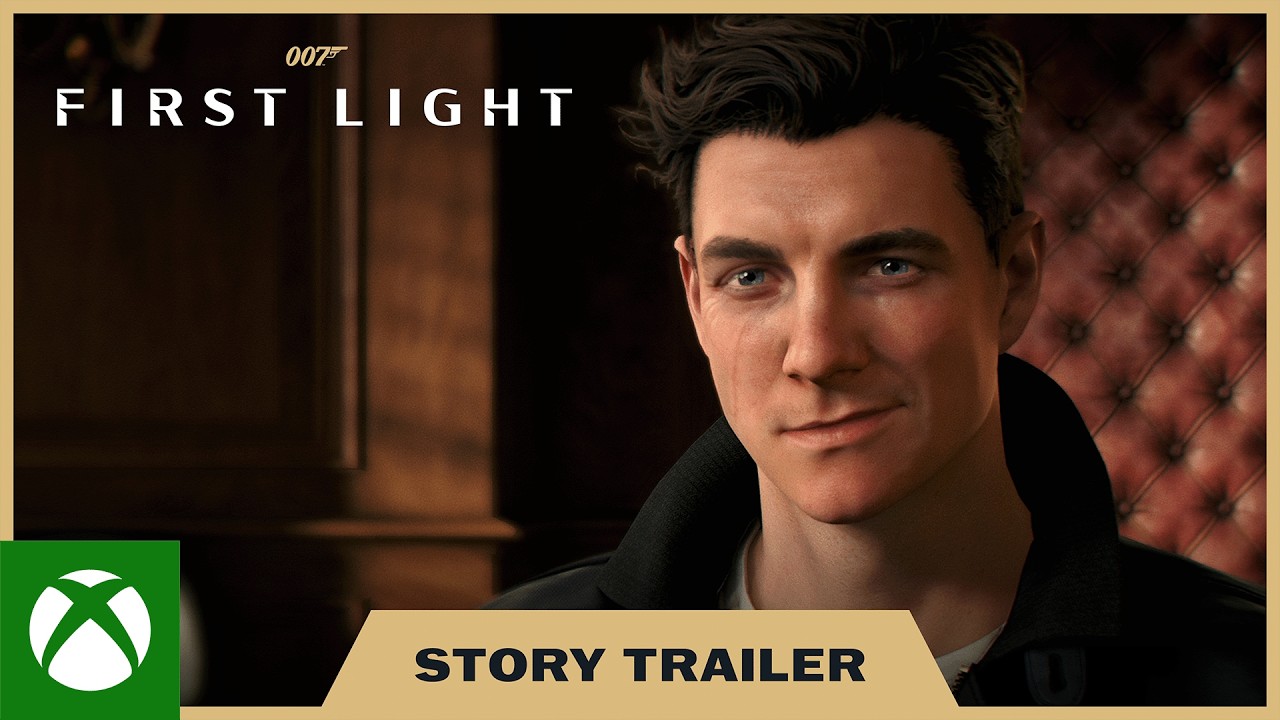

Sector Intelligence Report // 007 First Light
The last seven days around 007 First Light have been the kind of week most studios dream about and most licensors quietly prepare contingency plans for. IO Interactive’s Bond prequel has gone from promising stealth op to full-on market event, even as the broader James Bond rights grid quietly reroutes toward Amazon Game Studios. For developers watching the #gamedev chessboard, this is a near-perfect case study in how a single licensed title can both break sales records and sit at the edge of a shifting IP fault line.
1. Market Conditions: IO’s Fastest-Selling Operation Ever
The headline metric is blunt: 007 First Light is now IO Interactive’s fastest‑selling game, clocking 1.5M units in a single cycle on iOS and topping the May 2026 PlayStation Store download charts across US and EU on PS5/PS4. That’s a rare dual‑platform pincer move: mobile reach plus console prestige.
From a #gamedev perspective, this validates three bets:
- Franchise gravity still matters – The Bond IP is doing heavy lifting, but it’s paired with IO’s reputation for stealth systems literacy. This isn’t a generic tie‑in; it’s a systems‑driven stealth sandbox wearing a tux.
- Tight scope sells – Activity feed intel confirms a short, chapterized runtime tuned for replay, speedruns, and collectible sweeps. In an era of 80‑hour bloat, a “weekend‑sized” Bond op is a marketable feature.
- Completionist UX is a growth lever – Day‑one guides for all collectibles, all safe and door codes, and all 36 intel cards signal a design that welcomes optimization, not just one‑and‑done playthroughs.
For #indiegame teams, the lesson isn’t “get a movie license,” it’s that precision‑scoped experiences with strong systemic replayability can punch far above their budget class when paired with clear fantasy and strong onboarding.
2. Design Telemetry: A Stealth Sandbox That Expects You To Break It
Two strands of intel stand out in terms of design craft: boundary handling and micro‑detail work.
2.1 Boundary Stress Testing & Kill-Planes
One field report flags an operator trying to vault off-map geometry, only to hit an invisible kill-plane and instant reset. The key takeaway isn’t “they blocked exploits,” it’s how they did it:
- The system preserves mission flow instead of allowing soft‑locks or broken states.
- It anticipates player mischief as a core part of the experience, not a QA afterthought.
For developers, this is a reminder that exploit‑proofing is part of level design, not just bug fixing. If your stealth sandbox invites experimentation, you must design the failure modes as deliberately as the golden path.
2.2 33 Micro-Design Ops: Camera, Gadgets, Iconography
Another breakdown catalogues 33 “brilliant James Bond details”: era‑authentic gadgets, cinematic camera framing, MI6 iconography, and environmental storytelling.
This is IP stewardship done surgically:
- Camera as character – Framing reinforces Bond’s presence even when he’s not monologuing. For teams without blockbuster cinematics budgets, camera work is your cheapest narrative multiplier.
- Diegetic nostalgia – Legacy items and mementos are not just collectibles; they’re lore anchors that keep the game emotionally tethered to the broader Bond mythos.
In aggregate, these details explain why the accolades trailer can credibly sell the game on visual fidelity, stealth choreography, and cinematic execution without overpromising. The craft is actually in the frame.
Watch: Transmitting gameplay footage from the field: 007 First Light Accolades & Systems Highlight
3. Systems, Pacing, and the “Good Enough” AI Question
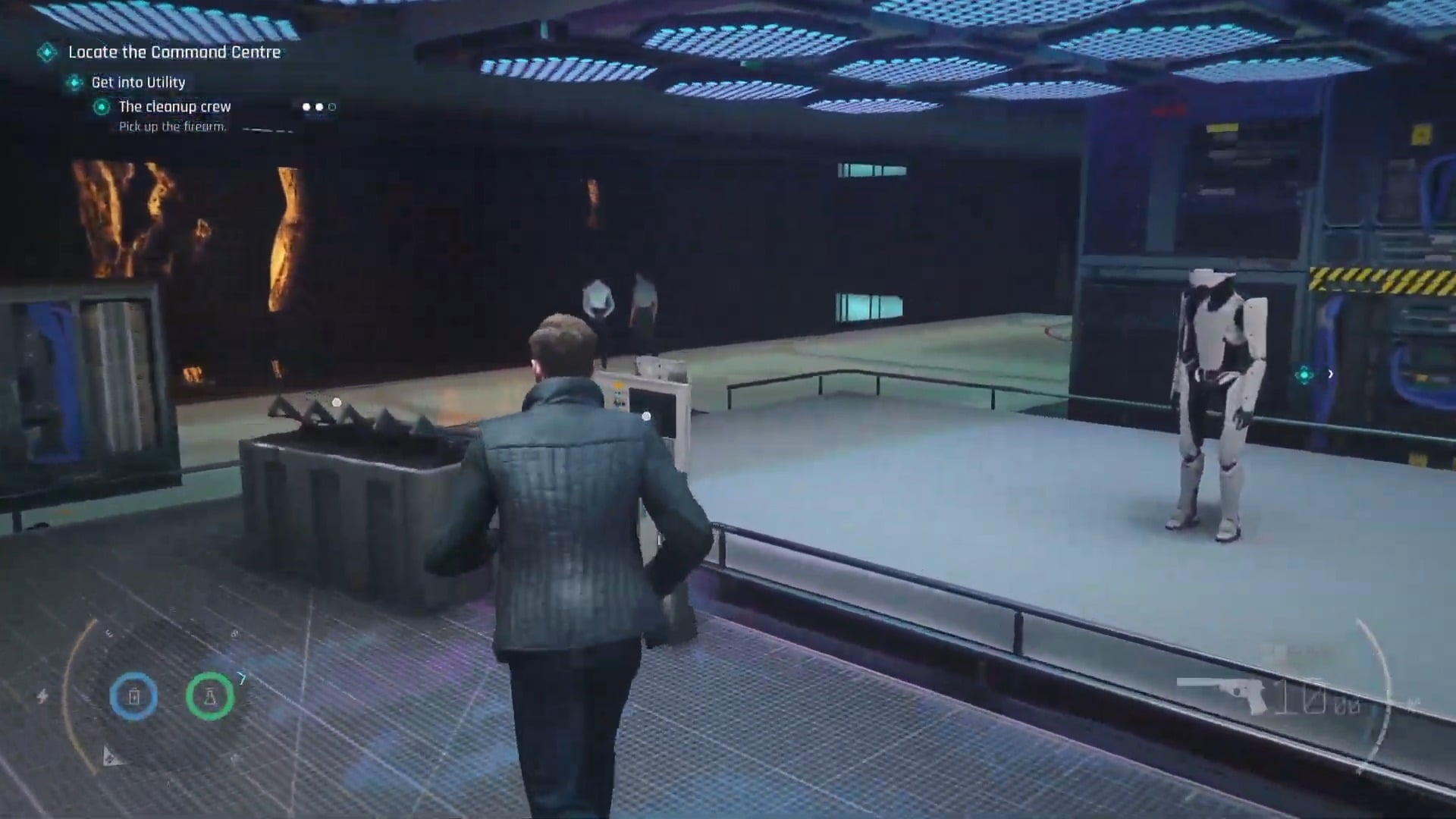
A formal review debrief tags 007 First Light as “competent but not flawless,” specifically calling out enemy AI, mission pacing, and gadget integration as areas where “Q Branch could iterate further.” This is the most relevant datapoint for #gamedev teams:
- Enemy AI – In a stealth title, AI is the invisible co‑op partner. If patterns are too legible or too brittle, tension collapses. The intel suggests IO hit a solid baseline but hasn’t fully weaponized AI as a storytelling tool.
- Mission pacing – A short game lives or dies on rhythm. The chapter grid enables clean routing and replay, but some sequences may feel like connective tissue rather than escalating set‑pieces.
- Gadgets – Bond gadgetry is both fantasy and mechanical affordance. If integration feels conservative, that’s an opportunity space for post‑launch tuning or future entries.
For developers, this is a useful calibration point: you can ship a commercially explosive stealth game with “merely good” AI, if everything around it—fantasy, framing, and friction curves—is dialed in. Excellence in two or three pillars can carry a fourth that’s only solid.
4. Content Architecture: Collectibles, Codes, and Guided Completion
The volume and granularity of guides already live in the wild—all collectibles, all safe and door codes, utility access routes, full chapter list, and runtime breakdowns—tell us a lot about the underlying content architecture:
- Zones are built for readability – The ability to map every card, intel file, postcard, legacy item, and memento by zone implies clear signposting and modular encounter spaces.
- Backtracking is minimized by design – The presence of comprehensive safe/door codes and utility access guides points to a “keep the run clean” philosophy, where friction is intentional, not accidental.
- Speedrunning and mastery are supported – Publishing exact chapter breakdowns and runtimes is a tacit endorsement of time‑attack culture.
For #indiegame designers, this is a blueprint: if you want your game to live on Twitch, YouTube, and guide sites, build levels that are legible, route‑able, and chunked into memorable segments.
5. Casting, Cameos, and the Face of Bond Canon
Visual sweeps of 007 First Light’s cast matrix show multiple recognizable faces embedded in the roster. The marketing beat here isn’t just “spot the actor”; it’s about binding modern fidelity to legacy recognition:
- Familiar talent anchors the game in cinematic Bond continuity, even if the precise canon status is fuzzy.
- High‑fidelity facial capture plus sharp camera work gives IO a film‑adjacent aesthetic without needing feature‑film budgets.
From a production standpoint, this is a reminder that casting is design. The right face can carry exposition, sell stakes, and reduce the amount of explicit narrative scaffolding you need.
6. Strategic Outlook: Amazon Enters the Room
The most structurally important intel this week is the rights reroute: future James Bond games are now theoretically published by Amazon Game Studios, not IO Interactive. Crucially, IO secured its own corridor for 007 First Light before the IP changed hands, so this project proceeds under IO’s banner.
For the industry, this has several implications:
- Bond as a platform, not a one‑off – Amazon’s involvement suggests an appetite for multi‑title, multi‑platform Bond exploitation, potentially spanning mobile, console, cloud, and transmedia.
- Licensor calculus shifts – IO’s success with 007 First Light gives them leverage, but future negotiations will happen under a different corporate roof. Expect tighter brand oversight and bigger cross‑media expectations.
- Template value – 1.5M units and cross‑platform chart dominance make 007 First Light a reference template for how to handle prestige film IP in interactive form: tight scope, strong systems, aggressive replay hooks.
For #gamedev teams chasing licensed work, the takeaway is clear: prove you can respect and extend canon through systems, not just cutscenes. Licensors are watching how IO translated Bond into stealth verbs, not just how faithfully they rendered a tux.
7. Closing Read: A Clean Op With Future Shock on the Horizon
007 First Light currently reads as a successful, tightly scoped stealth operation: commercially explosive, mechanically sound, and rich with micro‑details that reward deep dives. Its minor weaknesses—AI nuance, pacing rough edges, conservative gadget use—are the kind of problems you get to solve after you’ve already won the market’s attention.
The real intrigue now sits just off‑screen: what happens when Amazon’s publishing machine starts fielding its own Bond ops? For IO, 007 First Light is both a high‑water mark and a proof‑of‑concept. For the rest of the industry, it’s a live dossier on how to weaponize a legacy IP without losing the design soul that makes it worth playing.
Sources and corrections
This archive entry does not have a verified article-source list. Images and video embeds alone are not evidence for every claim.
Found an error? Request a correction. Include the passage and a supporting source.
Your games, in one place
Keep up with 007 First Light
Follow this game to collect its posts in your personal feed. Come back to see what you missed.