Automated archive / 007 First Light
007 First Light Becomes IO’s Fastest-Selling Op While Purist Mode Redefines Spycraft
007 First Light just became IO Interactive’s fastest‑selling game ever while quietly turning into a live lab for stealth design, difficulty tuning, and completionist routing. This week’s sector report dissects Purist mode, collectible telemetry, and DLSS‑driven visuals to map out why Bond’s latest op is resonating...
AI-generated summary. This archive article does not have a current recorded source check. Check linked sources before relying on details. Editorial policy
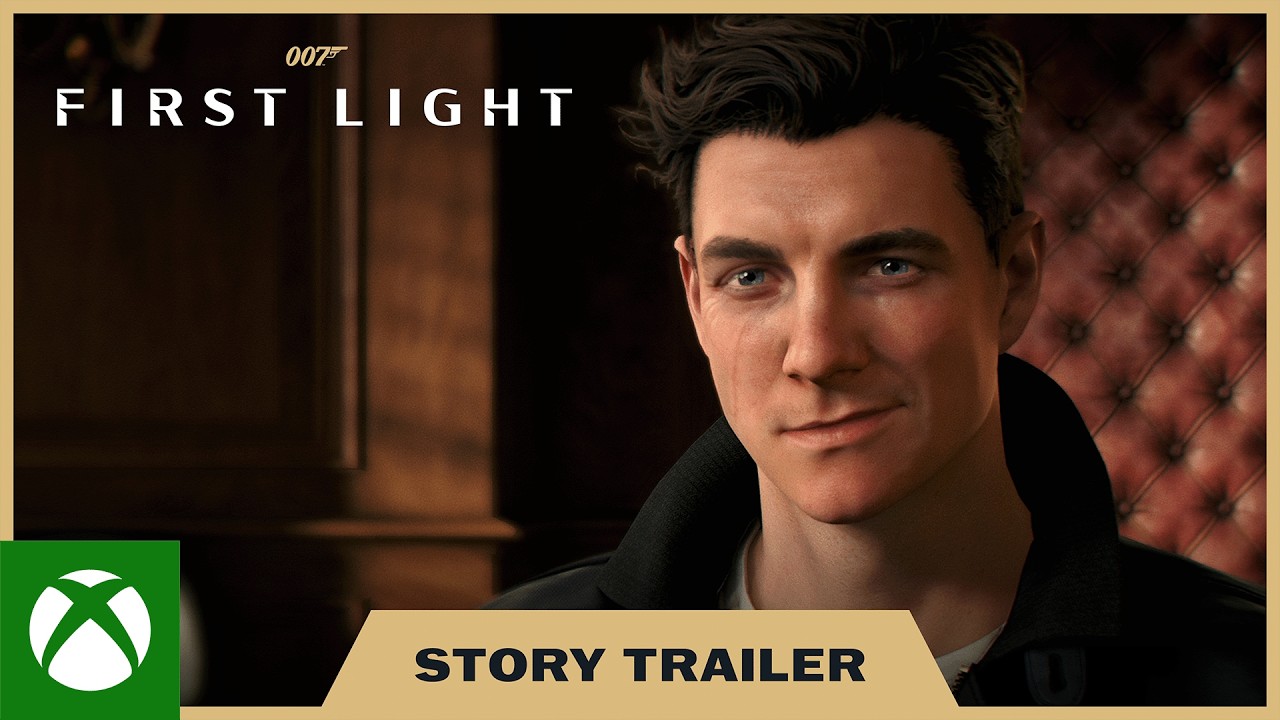
Sector Overview: Bond Storms the Charts, Systems Under the Microscope
007 First Light has moved from promising prototype to full-blown case study in weeks. The latest telemetry flags a major commercial inflection point: IO Interactive confirms that 007 First Light is now the studio’s fastest‑selling game ever, clocking 1.5M units in a single cycle on iOS alone. For #gamedev teams tracking premium mobile and cross‑platform launches, this is a live example of how a heavyweight IP, tight scope, and strong visual tech can converge into a high‑yield release template.
On the design side, the week’s intel is dominated by completionist tooling, high-difficulty tuning, and visual performance tech. While one review frames the deployment as “competent but not flawless,” the broader field reports paint a picture of a stealth‑action campaign that’s already fueling deep systems analysis, routing theory, and content‑loop breakdowns across the dev community.
Commercial Signal: Fastest-Selling IO Game Ever
The sales spike on iOS is more than a trivia milestone; it’s a blueprint. The data packet citing 007 First Light as IO’s fastest‑selling operation highlights three levers:
- IP gravity: James Bond remains one of the few cinematic brands that can still move premium units at scale.
- Mobile reach with console‑grade polish: High production values and tight mission runtimes make it ideal for short‑session, high‑intensity play.
- Clear fantasy delivery: Another review notes that IO “basically speedran the James Bond fantasy and skipped the cheap ‘Hitman reskin’ route,” leaning into bespoke gadgets, set‑pieces, and social stealth.
For #indiegame studios, the takeaway isn’t “get a movie license,” but rather: design around a singular, instantly legible fantasy and ensure every system—from camera work to gadget verbs—reinforces that promise.
Systems & Difficulty: Purist Mode as Design Lab
Watch: Transmitting Gameplay footage from the field: 007 First Light Purist difficulty systems test
The standout design artifact this week is Purist difficulty, showcased as “three flavors of chaos” that share one constant: total information deprivation. No HUD, no safety nets, and heavy reliance on:
- Enemy AI behavior readability
- Sound cues and sightlines
- Player‑driven pathing and timing
For designers, Purist functions as a live A/B test for how much UI and guidance your core loop really needs. If players can still parse objectives and opportunities under these constraints, it’s a strong indicator that the level language and encounter design are doing the heavy lifting.
A separate tactical review frames the base game as “operationally sound, but Q Branch could iterate further,” citing enemy AI wobble and occasionally over‑scripted objectives. Combined with Purist, this suggests a rich foundation that could be further sharpened via post‑launch tuning—especially around AI perception, patrol logic, and fail‑state clarity.
Micro-Design Ops: 33 Bond Details and the Fantasy of Competence
Another field report catalogs 33 precision‑tuned James Bond details in 007 First Light, ranging from era-authentic gadgets to cinematic camera framing and MI6 iconography. This is where the game quietly earns its fantasy:
- Camera and framing emulate classic Bond openings and third‑act escalations.
- Gadget design is treated as “tactical verbs, not quicktime props,” encouraging experimentation over one‑off scripted usage.
- Environmental storytelling and iconography keep the player anchored in the 007 universe even when the HUD is stripped away.
For #gamedev teams, this is a reminder that micro‑details can carry macro weight. When your systemic design and your IP‑specific flourishes are aligned, you get a sense of “competent cool” that’s hard to fake.
Completionism & Routing: Collectibles as Telemetry
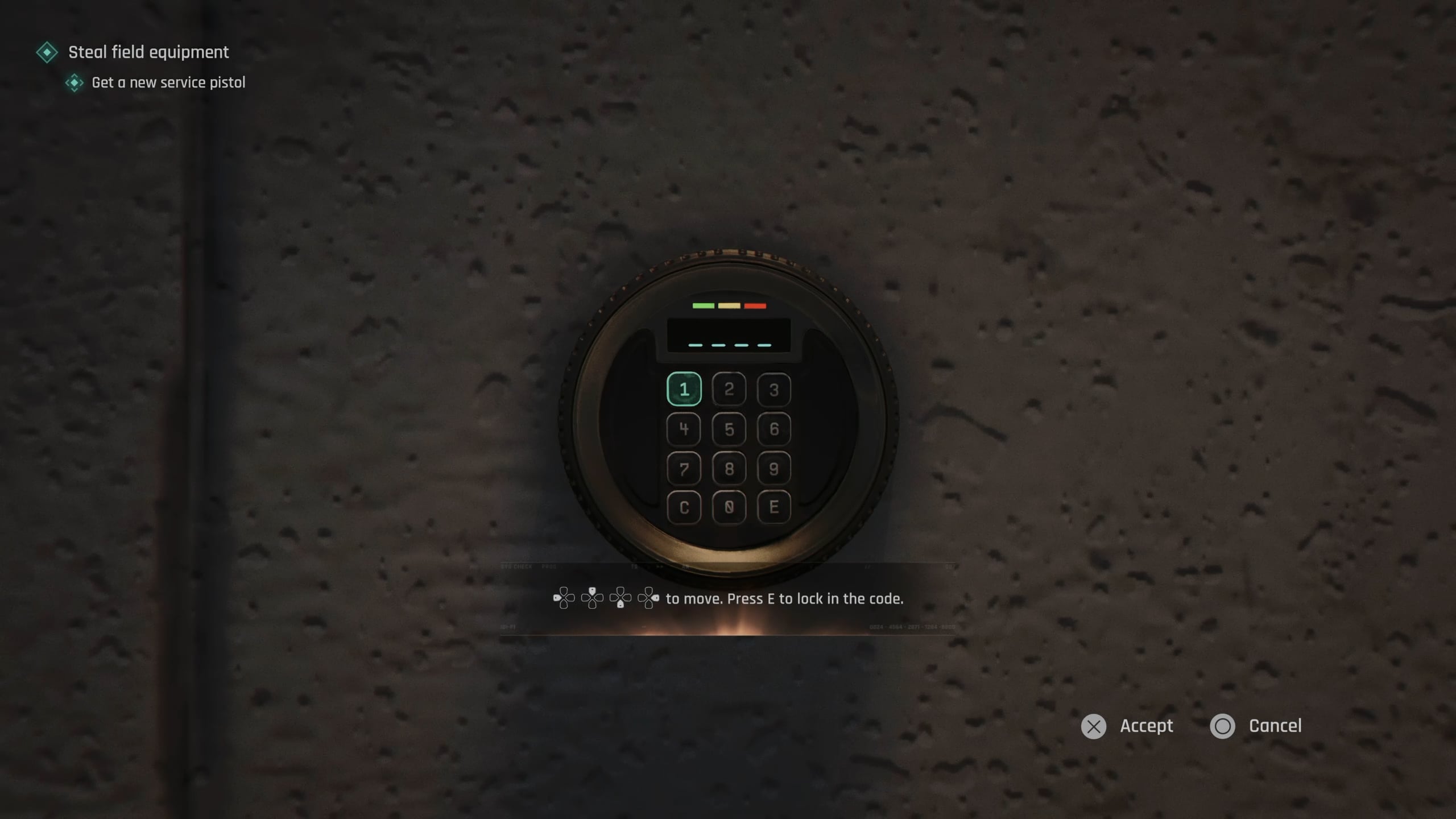
The sheer volume of collectible‑driven guides landing this week is telling. We now have:
- All Collectibles Master Grid – Cards, intel files, postcards, legacy items, and mementos mapped zone‑by‑zone.
- All 36 Card Locations – Optimized routes to avoid backtracking.
- All Intel, Postcard, and Memento Locations – With landmark‑driven directions.
- Safe and Door Codes, including the Penthouse safe and other critical locks.
From a development perspective, the existence and popularity of these guides are post‑launch telemetry in disguise:
- High engagement with collectible maps implies that players are willing to replay and sweep spaces—a positive signal for level design legibility and backtracking friction.
- The need for explicit routing suggests there may be opportunities to further surface environmental signposting in‑game without sacrificing discovery.
The “007 Things I Wish I Knew Before Starting” piece reinforces this. It calls out inefficient pathing, weak intel on cover angles, and suboptimal gadget routing as common failure points. For designers, that’s a clear prompt to:
- Re‑evaluate onboarding and early mission training.
- Use telemetry heatmaps to see where players repeatedly stall.
- Consider subtle environmental nudges (lighting, NPC chatter, prop placement) rather than explicit UI markers.
Mission Structure & Runtime: Tight Scope, High Replay Value
Another data packet breaks down mission duration and chapter structure, framing 007 First Light as a tightly scoped covert op ideal for:
- Short evening clears
- Speedrun drills
- Iterative stealth “practice runs”
Combined with modular routes (Utility access, Greenway pathing, fireplace puzzle solutions, etc.), the game leans into repeat incursions. The design thesis is clear: short, replayable chapters plus multiple infiltration vectors equals long‑tail engagement.
For #indiegame teams without Bond‑scale budgets, this is an actionable model: smaller campaign, higher density of systemic affordances, and explicit support for re‑runs instead of a single, bloated pass.
Visual Tech & Performance: DLSS 4.5 as Force Multiplier
Watch: Transmitting Gameplay footage from the field: 4K DLSS 4.5 ray-traced ops in 007 First Light
On high‑end PC, 007 First Light is positioning itself as a visual flagship. The DLSS 4.5 showcase emphasizes:
- Ray‑traced lighting and reflections for noir‑grade interiors and night ops.
- Cinematic shadows that directly support stealth readability.
- A performance profile tuned for 4K with high frame‑rate responsiveness.
The important nuance is that the tech isn’t just cosmetic. Better contrast, more reliable shadow edges, and stable framerates all feed back into the stealth loop, making sightlines and movement timing more legible.
Forward Watch: Where 007 First Light Goes Next
This week’s intel converges on a clear picture:
- Commercially, 007 First Light is a case study in IP‑driven, premium mobile and cross‑platform success.
- Systemically, it’s already generating high‑signal discourse around difficulty tuning, AI behavior, and routing.
- Structurally, its chapterized, replay‑friendly design is resonating with players who want a focused, narrative‑driven stealth‑action campaign.
For developers, the next phase to monitor will be post‑launch iteration: AI refinements, Purist‑mode tuning, and potential UX adjustments around pathing and cover intel. If IO leans into that feedback loop, 007 First Light could evolve from a strong launch into a reference‑grade stealth design manual for years to come.
Sources and corrections
This archive entry does not have a verified article-source list. Images and video embeds alone are not evidence for every claim.
Found an error? Request a correction. Include the passage and a supporting source.
Your games, in one place
Keep up with 007 First Light
Follow this game to collect its posts in your personal feed. Come back to see what you missed.