Automated archive / 007 First Light
007 First Light Turns Stealth Fantasy into a Data-Driven Ops Template
007 First Light isn’t just a fast-selling Bond spin-off; it’s a stealth-action blueprint that turns difficulty modes, collectibles, and cinematic tech into a coherent espionage sim. This week’s intel breaks down what IO’s latest operation teaches the rest of the industry about scope, systems, and fantasy-first design.
AI-generated summary. This archive article does not have a current recorded source check. Check linked sources before relying on details. Editorial policy
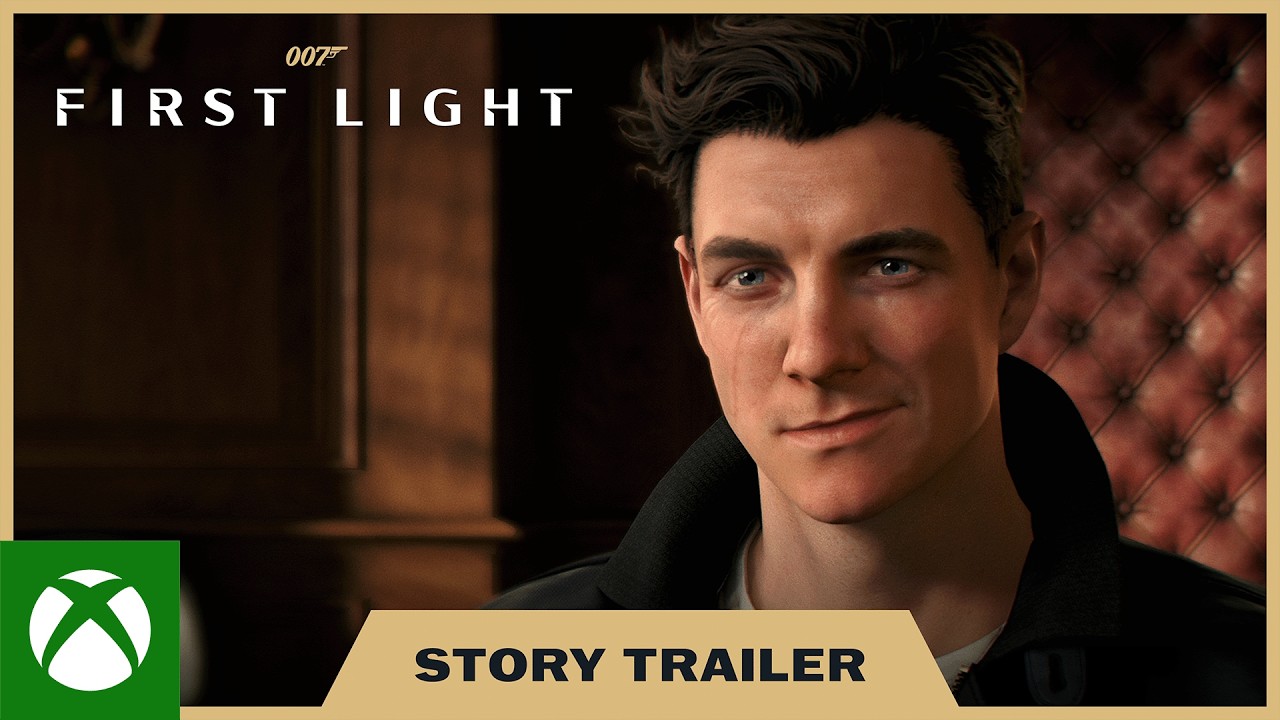
Sector Overview: Bond Ops Go Hot
007 First Light has moved from controlled test to full operational deployment, and the telemetry from the last seven days paints a clear picture: IO Interactive hasn’t just shipped another licensed tie‑in, it’s field‑testing a new stealth‑action template that other #gamedev teams will be dissecting for months.
The game is already IO’s fastest‑selling title ever, clocking 1.5 million units in a single reporting cycle on iOS alone. That combination of globally recognizable IP, sharp visual presentation, and tight, chaptered runtime is proving lethal in the premium mobile space—a space usually dominated by F2P economies rather than single‑player espionage campaigns.
Market Performance: A Live Case Study in IP Leverage
From a development and publishing perspective, 007 First Light is a clean case study in how to weaponize a legacy brand without collapsing into nostalgia bait.
- Fastest-selling IO release – The 1.5M unit milestone suggests that Bond, when delivered with modern production values and a clear value proposition, still cuts through the noise. For #indiegame teams, the lesson isn’t “get a license” (you can’t), but: ship a focused fantasy with ruthless clarity. First Light sells a single idea—“you feel like Bond”—and every system reinforces it.
- Platform strategy – Leading with iOS, then rolling out to Xbox and PC with DLSS 4.5 support, IO is effectively running a multi‑tier funnel: mobile for reach and volume, console/PC for prestige and technical cachet. Other studios should note how each platform gets a specific talking point: portability on iOS, cinematic fidelity and ray‑traced spectacle on high‑end rigs.
Systems & Difficulty: Purist as Design Thesis
Watch: Transmitting Gameplay footage from the field: Purist difficulty and systemic chaos
The most instructive design signal this week is the spotlight on Purist difficulty. No HUD, no safety net, and three mission routes that all converge on one constant: total information deprivation.
From a #gamedev standpoint, Purist is IO saying, “our systemic layer is strong enough to stand without UI scaffolding.” It forces players to rely on:
- Sound and sightline literacy – Footsteps, guard chatter, and light cones become primary instruments. This is stealth as simulation, not stealth as waypoint‑chasing.
- Level readability – Environmental affordances—cover height, shadow pockets, crowd density—must communicate intent without explicit markers. If players can clear Purist without tooltips, your level art and encounter layout are doing their job.
The broader design takeaway: treat your highest difficulty as a stress test for systemic clarity, not just a health and damage tweak.
Stealth, Pacing, and the Bond Fantasy
Multiple field reports this week converge on the same verdict: 007 First Light is “operationally sound, but Q Branch could iterate further.” The review data flags:
- Enemy AI – Competent but occasionally inconsistent, with moments of “stormtrooper” aim or awareness. This is a reminder that AI behavior is part of the fantasy; when it breaks, the illusion of being Bond fractures with it.
- Mission structure – The campaign is broken into a clean chapter grid with a tightly scoped runtime. That’s a deliberate choice: shorter, replayable missions encourage iteration, speedruns, and mastery rather than one-and-done bloat.
- Gadget design – Gadgets function as verbs, not cutscene props. This aligns perfectly with modern systemic design trends—every tool should open up new routes, not just solve a single, bespoke puzzle.
For developers, the key insight is how IO balances cinematic setpieces with modular routes. Players get the spectacle—snowbound assaults, tux‑level social stealth, explosive exits—but under the hood, levels are built for repeat incursions and creative problem‑solving.
Collectible Grids as Level Design Telemetry
Underneath the fan‑facing guides for cards, intel, postcards, legacy items, and mementos is a treasure trove of design intel.
Every “all locations” breakdown effectively reverse‑engineers IO’s approach to:
- Pacing and signposting – The distribution of 36 intel cards and multiple collectible types across zones shows how the team nudges players into optional spaces without dragging the critical path.
- Environmental storytelling – Mementos and postcards double as narrative breadcrumbs, reinforcing location identity and Bond’s history without extra cutscenes.
- Replay loops – A fully mapped collectible grid encourages second and third runs—critical for a compact campaign where retention depends on mastery rather than sheer length.
For #indiegame teams without Bond‑scale resources, this is a blueprint: use collectibles as subtle level‑flow instrumentation, not just checklist padding.
Onboarding the Agent: Tutorials by Negative Space
The “007 Things I Wish I Knew Before Starting” and “6 Ways to Master Stealth” pieces highlight a familiar friction point: players often mis‑read your systems on first contact.
The missteps called out—inefficient pathing, suboptimal gadget usage, weak intel on cover angles—aren’t just player errors; they’re UI/UX and tutorialization gaps.
IO’s response, whether intentional or emergent, is interesting:
- They allow players to fail, then surface community‑driven meta‑guides as a secondary onboarding layer.
- They lean on modular mission design so early mistakes don’t hard‑lock progress; instead, they generate telemetry for better runs.
For developers, the lesson is to treat early‑game friction as data. If everyone struggles with the same stealth fundamentals, that’s a design prompt—either improve in‑game surfacing or embrace that friction and support it with external intel.
Technical Layer: DLSS 4.5 and the Visual Sell
Watch: Transmitting Gameplay footage from the field: Official DLSS 4.5 4K gameplay showcase
The DLSS 4.5 showcase isn’t just a tech flex; it’s part of the product’s identity. Ray‑traced lighting, reflections, and cinematic shadows are doing heavy lifting in selling the fantasy of a high‑budget spy thriller.
On the #gamedev side, this reinforces a pragmatic reality:
- If your fantasy is “cinematic espionage,” your lighting and camera work must carry as much weight as your mechanics.
- DLSS and upscaling tech aren’t just performance hacks; they’re enablers, letting you push crowd density, particle work, and complex interiors without dropping responsiveness.
Even for smaller teams, the underlying principle holds: align your rendering priorities with your core fantasy. If your game lives or dies on stealth, invest in visibility, contrast, and shadow readability before you chase exotic shaders.
Sector Outlook: Why 007 First Light Matters Beyond Bond
This week’s intel makes one thing clear: 007 First Light is more than a successful licensed game. It’s a live reference build for:
- How to scope a narrative‑driven stealth campaign for replayability instead of bloat.
- How to use difficulty modes (like Purist) as systemic validation tools.
- How to turn collectible design into a map of your own level‑flow logic.
For studios tracking market signals, keep this one on your radar. For designers, it’s a playable whitepaper on how to make players feel like a hyper‑competent spy without sacrificing systemic depth.
007 First Light isn’t just selling Bond fantasy—it’s stress‑testing where stealth‑action design goes next.
Sources and corrections
This archive entry does not have a verified article-source list. Images and video embeds alone are not evidence for every claim.
Found an error? Request a correction. Include the passage and a supporting source.
Your games, in one place
Keep up with 007 First Light
Follow this game to collect its posts in your personal feed. Come back to see what you missed.