Automated archive / 007 First Light
007 First Light Locks In the Bond Fantasy With Purist Brutality and Completionist Warfare
007 First Light has exited the simulation chamber and entered full operational status, with Purist difficulty, DLSS 4.5 visuals, and dense collectible networks redefining Bond’s stealth sandbox. This week’s Sector Intelligence Report breaks down how IO is weaponizing level design, tech, and telemetry to make you...
AI-generated summary. This archive article does not have a current recorded source check. Check linked sources before relying on details. Editorial policy
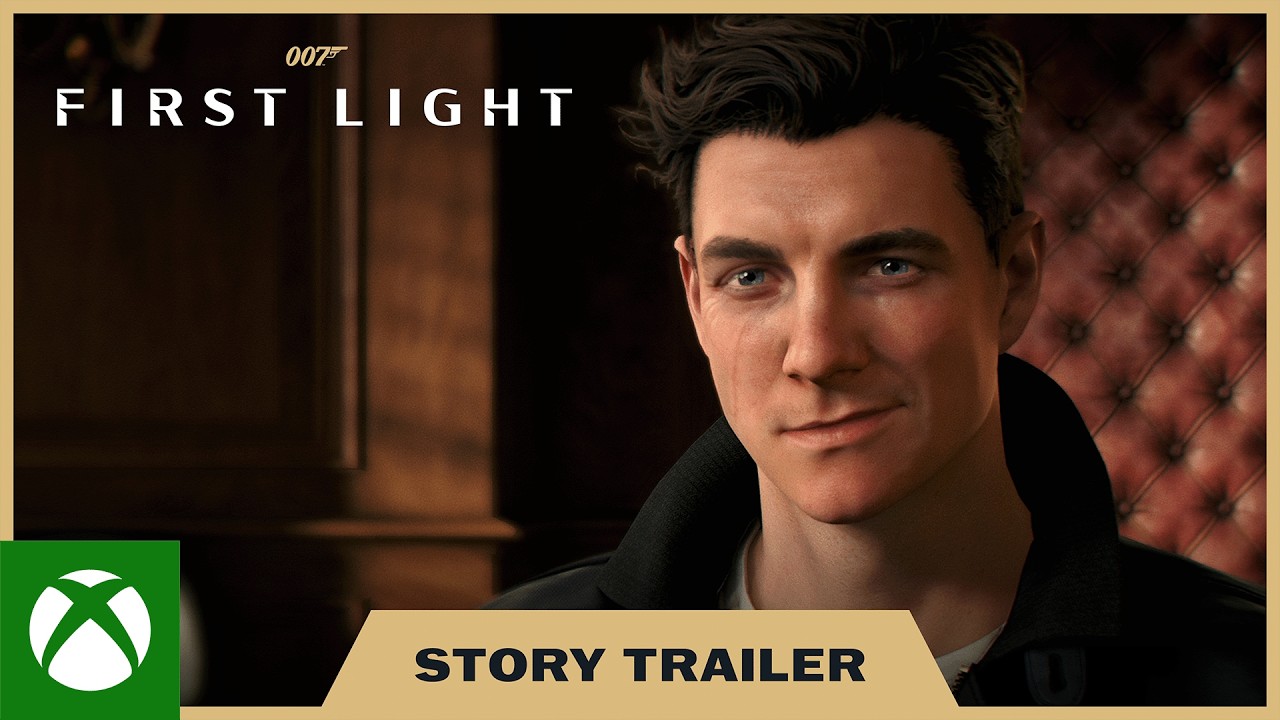
This Week in the 007 First Light Theatre of Operations
IO Interactive’s 007 First Light has moved from controlled demo to live-fire deployment, and the past seven days have been about one thing: stress‑testing the fantasy. Between Purist‑mode lab runs, full collectible sweeps, and a fresh Xbox rollout, the game is crystallising into what it really is—a systemic espionage sim that borrows Hitman’s modular brains but swaps in Bond’s swagger and higher lethality.
From a #gamedev perspective, this week’s intel paints a picture of a team aggressively surfacing route literacy—teaching players to read levels as information networks, not just backdrops. For #indiegame and AA studios watching from the sidelines, 007 First Light is quietly becoming a case study in how to scale authored stealth without losing player agency.
Purist Mode: Telemetry Under Fire
The standout data point is Purist difficulty, showcased via the "Three Flavors of Chaos" gameplay slice. No HUD, no safety rails, and three distinct mission routes converging on a single design thesis: if the player doesn’t internalize systems, the simulation will eat them.
Enemy AI, sound propagation, and sightlines become the only UI. This is procedural espionage as experiment—IO is effectively running a live usability lab where every failure is telemetry. It’s a sharp reminder to designers that readability doesn’t have to mean on‑screen clutter; it can be embedded in animation tells, audio stingers, and environmental contrast.
Visual Pipeline: DLSS 4.5 as Design, Not Just Tech
Watch: Transmitting Gameplay footage from the field: Official 4K DLSS 4.5 Gameplay
The official 4K DLSS 4.5 gameplay drop isn’t just a flex for PC enthusiasts; it’s a window into how rendering choices reinforce fantasy. Ray‑traced reflections and cinematic shadows aren’t decoration—they’re stealth tools.
High‑fidelity lighting makes cover more legible, helps players parse threat vectors in glass‑heavy interiors, and turns reflections into functional information surfaces. For developers, the message is clear: when you push tech, tie it back to player verbs. In 007 first light, the visual pipeline is tuned not just for screenshots but for infiltration clarity at 4K, high FPS.
Stealth Curriculum: Six Ways to Stay Unseen
The "6 Ways to Master Stealth" briefing reads like a stealth‑design syllabus: line‑of‑sight denial, sound discipline, environmental camouflage, synchronized takedowns, and more. This is IO codifying best practices they’ve iterated on since Hitman, but reframed for Bond’s more aggressive toolkit.
Mechanically, it signals a design intent where stealth isn’t optional flavour—it’s the primary optimization layer. Players are being encouraged to treat levels as puzzles of exposure and timing, not just shooting galleries. For #gamedev teams, it’s a reminder that your tutorialization doesn’t have to be a fenced‑off "training mission"; it can be embedded as systemic advice surfaced through content like this.
Route Literacy: Greenway, Penthouse Safe, and the Fireplace Lock
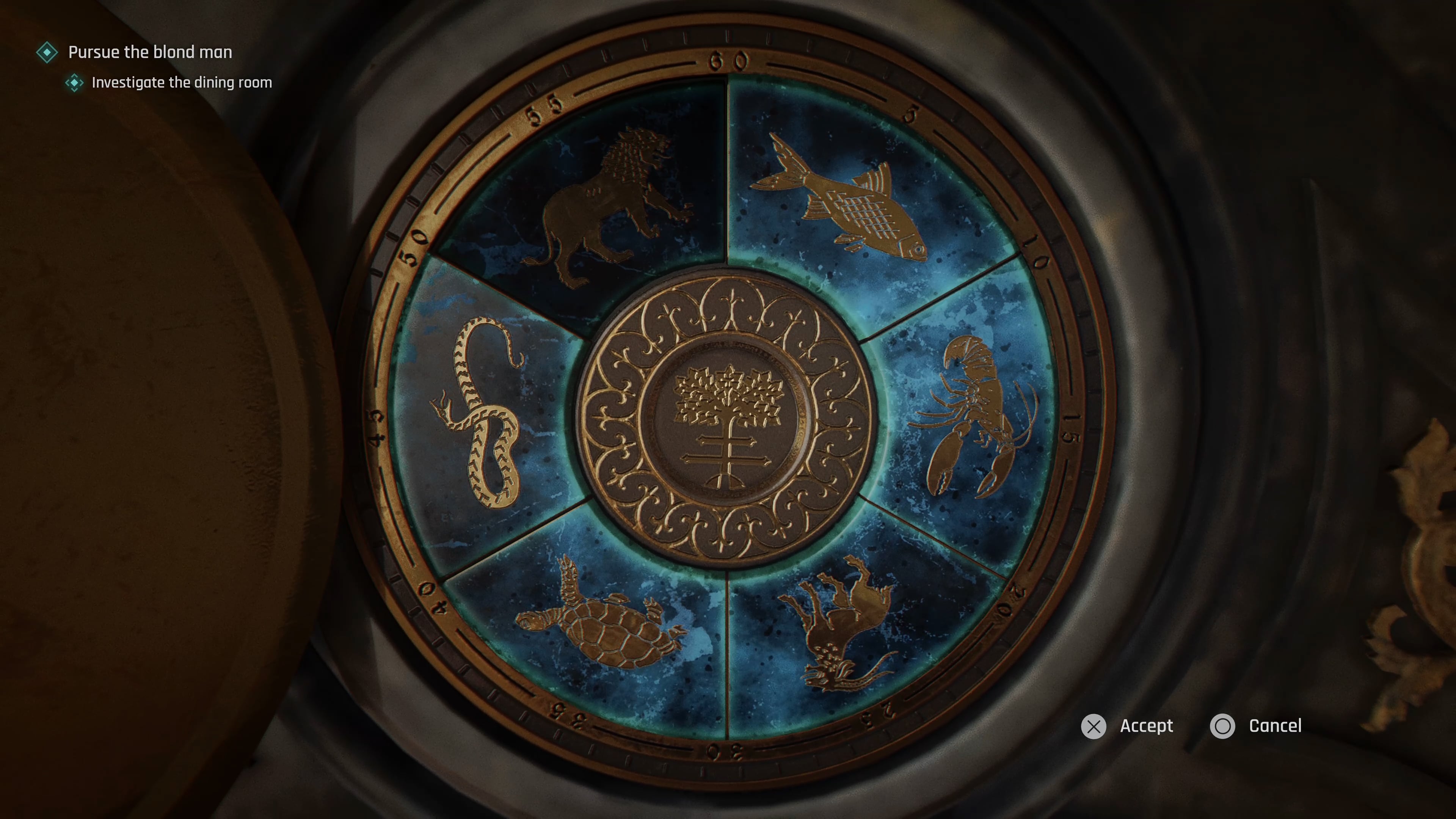
Three specific mission‑layer intel drops—Greenway access, the Penthouse safe, and the fireplace puzzle—expose how 007 First Light structures its routes.
- Greenway Pathing: Gated behind a precise traversal and trigger sequence, Greenway is a textbook example of soft‑locking progression through environment logic rather than key‑item gating. Each obstruction acts as a silent alarm, nudging players to respect mission pacing and map updates.
- Penthouse Safe: A classic stealth‑heist pivot. The emphasis on locating the safe, recovering the combination, and exfiltrating clean reinforces Bond’s investigative side. It’s a compact loop of recon → decode → extract.
- Fireplace Puzzle: Symbol ordering and hidden switches turn décor into a mechanical gate. Crucially, the puzzle is "readable but not insultingly simple"—a design sweet spot where players feel clever, not condescended to.
Collectively, these beats show IO leaning into modular level logic: each space is a layered problem, not just a corridor to the next cutscene.
Completionist Warfare: Intel, Mementos, and Postcards
The surge of guides mapping all intel, all mementos, and all postcard locations reveals a second meta‑game: information hoarding.
- Intel shards are effectively IO’s way of tagging narrative and mechanical context to geography. They reward thorough sweeps and support achievement hunters.
- Mementos lean into narrative texture, building the emotional and historical scaffolding around missions.
- Postcards exploit vistas and off‑grid paths, incentivizing players to test the level’s verticality and hidden pockets.
For developers, this is a smart blueprint for collectible design: each category has a distinct experiential purpose, rather than being three flavours of the same checklist.
Systems Review: You Feel Like Bond, Not a Reskinned Assassin
Watch: Transmitting Gameplay footage from the field: 007 First Light Launch Ops
The full review pulse this week lands on a clear verdict: IO has not shipped a cheap Hitman reskin. Instead, 007 First Light is a "full‑spectrum espionage ops sim"—snowbound assaults, tux‑and‑champagne social stealth, and the kind of improvised chaos that emerges when you press every red button in the room.
Combat is punchier than Hitman, gadgets are verbs not cutscene props, and mission structure leans on replayable setpieces with modular routes and rank‑chasing. There are rough edges—AI occasionally whiffs, some objectives over‑script—but the core loop lands: you feel like Bond, not Bond’s clumsy stunt double.
From a #gamedev lens, that distinction matters. It shows how far tone, pacing, and mechanical emphasis can move a familiar engine into a different fantasy space.
Platform Status: Xbox Deployment and Beyond
The Xbox launch confirmation locks 007 First Light into active service on console, widening the telemetry pool for balance, difficulty, and performance. With DLSS‑driven PC ops and console parity, IO is effectively running a cross‑platform stealth sandbox experiment at scale.
For studios tracking the space, 007 first light is now a live reference for:
- How to tune Purist‑style modes without alienating the broader audience.
- How to make collectibles and route puzzles serve both narrative and systems literacy.
- How to leverage tech features like DLSS 4.5 as gameplay enhancers, not just marketing bullet points.
As the intel grid fills in—more routes, more difficulty data, more completionist patterns—007 First Light is cementing itself as one of the most interesting stealth‑action laboratories on the market right now.
Sources and corrections
This archive entry does not have a verified article-source list. Images and video embeds alone are not evidence for every claim.
Found an error? Request a correction. Include the passage and a supporting source.
Your games, in one place
Keep up with 007 First Light
Follow this game to collect its posts in your personal feed. Come back to see what you missed.