Automated archive / 007 First Light
007 First Light Locks In Its Story, Slips on Switch 2, and Arms a DualSense Collector Drop
007 First Light locks its May launch window on core platforms while pushing the Switch 2 build into a summer optimization cycle, all as its latest dev diary doubles down on branching espionage drama and grounded spycraft. A limited-edition DualSense controller rounds out a strategy that fuses narrative ambition...
AI-generated summary. This archive article does not have a current recorded source check. Check linked sources before relying on details. Editorial policy

Weekly Sector Intelligence: 007 First Light
The latest sweep of the 007 First Light signal grid brings three key developments: a platform-specific delay, a narrative deep dive, and fresh hardware for PlayStation agents. This week’s data points don’t just chart a release calendar—they sketch out how this espionage-focused #indiegame is tuning its systems, story, and ecosystem just weeks from launch.
Platform Status: Switch 2 Build Slips to Summer
Intel confirms a deployment delay for the Nintendo Switch 2 version of 007 First Light, now targeting a broad summer launch window instead of the previously aligned May release.
From a #gamedev perspective, this is a classic case of platform-specific optimization taking priority over calendar symmetry:
- Performance profile tuning: The team is clearly reworking the game’s handheld performance envelope—frame pacing, thermal budgets, and streaming—so that the Switch 2 experience doesn’t feel like a downgraded port.
- Feature parity vs. platform identity: While other platforms remain locked on a May drop, the Switch 2 version likely needs bespoke settings for docked vs. handheld, input latency, and UI readability on a smaller screen.
- Risk management: Delaying a single SKU rather than the entire operation indicates confidence in the core codebase and content pipeline. The problem isn’t the game, it’s the platform-specific profile.
For players, this splits the audience into two operational windows:
- May for PC and other consoles, where first-wave balancing, bug triage, and meta discovery will happen.
- Summer for Switch 2, which may benefit from post-launch patches and tuning already validated on other platforms.
This staggered rollout could actually strengthen the Switch 2 version, provided the studio leverages early telemetry from non-Nintendo platforms.
Narrative Systems: Bond Without the Autopilot
The new “Story Dev Diary – Beyond the Light Episode 3” transmission offers the clearest look yet at how 007 First Light is architecting its campaign. The pitch isn’t just “play a Bond movie”; it’s about translating cinematic espionage into interactive, systemic drama.
Key narrative design takeaways:
1. Cinematic Espionage Over Generic Firefights
The devs emphasize grounded spycraft rather than endless corridor combat. Expect:
- Missions framed as operations with clear objectives, not just linear shootouts.
- Set pieces that behave like scripted pressure cookers—tight, high-stakes sequences where timing, stealth, and improvisation matter.
- A heavier reliance on contextual tension (who’s in the room, what’s at stake, what you’re risking) instead of pure spectacle.
From a #gamedev standpoint, that implies heavy investment in:
- AI states and awareness cones that support stealth, social infiltration, and controlled escalation.
- Cinematic scripting tools that let designers orchestrate close-call moments without fully pulling control away from the player.
2. Branching Character Arcs, Not Just Binary Endings
The dev diary calls out branching character arcs as a core pillar. This suggests:
- Decision points that alter relationships, trust levels, and mission framing.
- Potential reconfigurations of scenes—who shows up, who covers for you, who betrays you—based on prior choices.
For an espionage fantasy like 007 first light, this is crucial. Bond stories live or die on:
- Allies and informants whose loyalties are in flux.
- Moral gray zones where the “correct” tactical decision may not be the “right” personal one.
The promise here is a campaign that remembers how you operate, not just which difficulty you picked.
3. Emotional Stakes as a Design Constraint
The team explicitly states they’re prioritizing emotional stakes over raw spectacle. Practically, that means:
- Fewer anonymous shootouts, more named characters at risk.
- Mission outcomes that reverberate through later scenes, even if only via dialogue, tone, or small mechanical nudges.
For players, this should make even smaller operations feel like part of a coherent intelligence web, rather than disconnected levels.
Hardware Play: Limited Edition 007 First Light DualSense
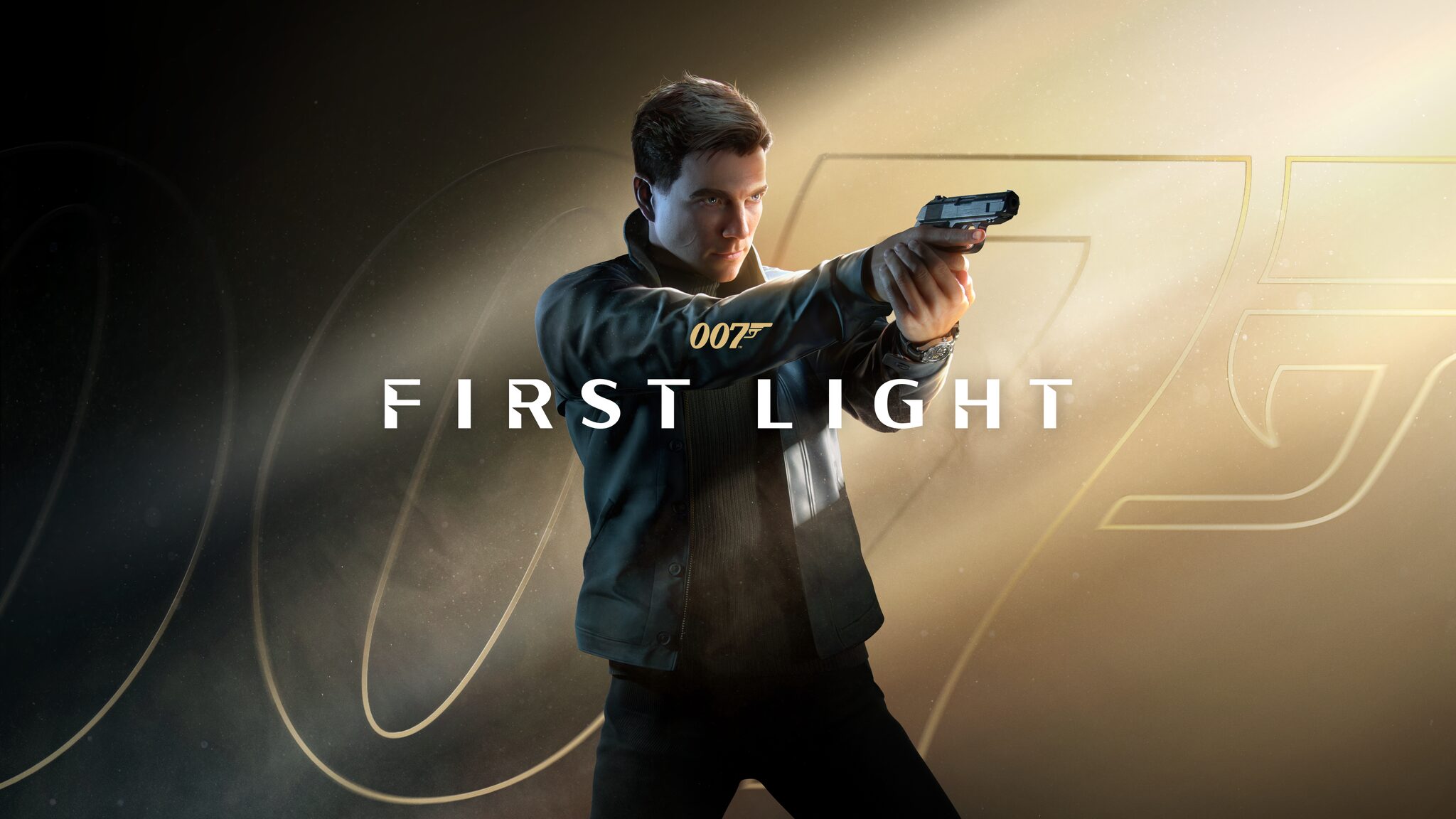
Sony is deploying a limited-edition 007 First Light DualSense controller, wrapping standard PS5 haptics and adaptive triggers in a Bond-themed shell. On paper this sounds like pure merchandising, but there are a few design angles worth noting.
Input Design Meets Thematic Cohesion
On PS5, the DualSense is more than a cosmetic shell; it’s an expressive channel for feedback design:
- Adaptive triggers can simulate trigger tension, gadget resistance, or the weight of a suppressed shot versus a high-caliber burst.
- Haptic feedback can mirror subtle espionage beats—keypad clicks, lockpicks biting into tumblers, the thrum of a passing helicopter, or the muffled impact of a takedown.
Pairing a Bond-grade aesthetic with these features tightens the fantasy loop: what you see, hold, and feel all align with the covert operator role the narrative is pushing.
Collector Strategy and Platform Positioning
This controller also signals how the game is being positioned in the market:
- A limited DualSense run usually reflects strong platform-holder confidence and a push to make PS5 the “flagship” console experience.
- It creates a physical anchor for fans—merch that extends beyond the screen, often timed around launch to maximize visibility.
For the studio, it’s a chance to lock in a core collector audience early, which can be valuable for word-of-mouth and long-tail engagement.
Strategic Outlook: What This Week’s Signals Really Mean
From a development update standpoint, the 007 first light feed paints a project that is:
- Content-complete enough to hold its May window on primary platforms.
- Still optimizing and tailoring for the Switch 2, treating it as a distinct deployment rather than a simple down-port.
- Confident enough in its narrative and systemic spine to spotlight branching arcs and emotional stakes as differentiators.
- Building a peripheral ecosystem (via the DualSense) that positions the game as more than a one-and-done licensed tie-in.
For #indiegame and mid-scale studios watching from the sidelines, the playbook here is instructive:
- Use platform-specific delays to protect experience quality rather than ship parity.
- Make dev diaries about real systems and pipelines, not just mood pieces.
- Treat hardware collaborations as extensions of design, not just marketing.
As we move closer to May, the next critical intel drops will be performance previews, hands-on impressions, and possibly a deeper look at how those branching arcs manifest in actual mission structure. Until then, the signal is clear: 007 First Light is betting on tension, choice, and platform-conscious polish to stand out in a crowded stealth-action field.
Sources and corrections
This archive entry does not have a verified article-source list. Images and video embeds alone are not evidence for every claim.
Found an error? Request a correction. Include the passage and a supporting source.
Your games, in one place
Keep up with 007 First Light
Follow this game to collect its posts in your personal feed. Come back to see what you missed.